Spontaneous Socializing App for College Students
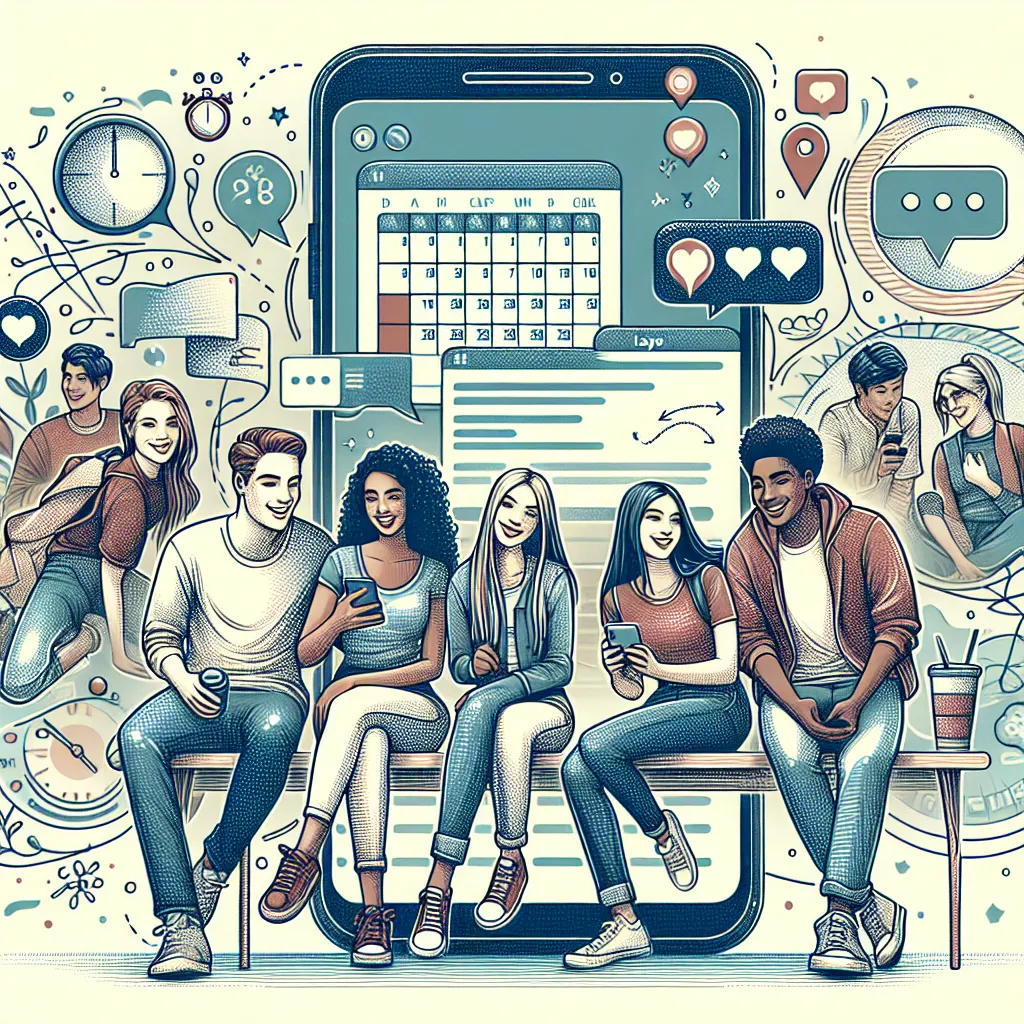
College students live in calendar chaos—every second is booked, and socializing feels like managing logistics. But over-scheduling kills spontaneity and connection. The solution? A calendar-integrated app that nudges users toward spontaneous interactions by surfacing nearby friends with free time right now and suggesting low-friction meetups (“Grab coffee?” or “Go for a walk?”). Built-in AI learns user preferences and social circles to suggest moments of fun without creating stress. This rides the trend of hyper-scheduling + Gen Z’s desire for authentic social interactions. Example: you have a 45-minute block between classes, and the app pings you that two friends nearby also have free time—tap once to meet. It’s BeReal meets Calendly meets vibes. No calendar flexing, no planning burnout—just better, real-life presence.
Description
No additional description provided.
The Pitch
In today's fast-paced world, college students find themselves entangled in a whirlwind of commitments, always racing against the clock. With lectures, assignments, extracurricular activities, and part-time jobs, every minute is meticulously planned. While this structure helps manage academic and personal responsibilities, it often leaves little room for spontaneous and meaningful social interactions, which are crucial for mental well-being and personal growth. The constant shuffle and over-scheduling can lead to burnout and a sense of disconnection, as traditional social plans transform into logistical challenges.
The solution to this dilemma is a fresh, intuitive app that seamlessly integrates with existing calendar systems to promote spontaneous social interactions. This app identifies friends who have simultaneous free time and suggests easy, low-effort meetups such as grabbing a quick coffee or going for a walk. By utilizing artificial intelligence, the app can learn a user's preferences and social habits, tailoring suggestions that encourage moments of enjoyment and connection without adding stress. The timing for such a solution is perfect, as it aligns with the current trend of hyper-scheduling and caters to the Gen Z's craving for genuine social experiences.
Imagine this scenario: A college student finds a 45-minute gap between classes. Instead of mindlessly scrolling through social media, the app sends a notification indicating that a couple of close friends are also available. With a simple tap, the student can arrange an impromptu meetup. It's a harmonious blend of the authenticity of BeReal, the scheduling ease of Calendly, and the intuitive social touch that today's youth crave. This platform moves away from the need to showcase or plan, fostering real-world connections and presence.
To bring this innovative idea to life as a Minimum Viable Product, developers can consider using a combination of existing tools and technologies such as:
1. **Backend and AI Integration**: Utilize Firebase or AWS for real-time data storage and management, paired with machine learning algorithms from platforms like TensorFlow to understand user preferences and behaviors.
2. **Calendar Integration**: Leverage APIs like Google Calendar and Apple Calendar to seamlessly integrate users' schedules and identify potential free time.
3. **User Interface and Experience**: Design a sleek, user-friendly interface using design tools like Figma or Sketch, with a focus on minimizing friction and ensuring intuitive navigation.
4. **Mobile App Development**: Use platforms like React Native or Flutter to develop a versatile app that works across both iOS and Android devices.
Launching this app involves a strategic Go-To-Market (GTM) approach, targeting university campuses initially to build momentum. The strategy could include partnerships with college organizations, leveraging social media influencers within the student community, and grassroots marketing campaigns focusing on the app's unique selling proposition of enabling spontaneous connections.
The business model could operate on a freemium basis, offering basic functionalities for free while providing premium features such as advanced AI recommendations, customization options, and integration with additional social platforms for a subscription fee. Additionally, potential revenue streams could include partnerships with local cafes or eateries, offering discounts for app users who meet up, thereby creating a win-win situation.
By tapping into the stress points of modern collegiate life and offering a solution that enhances spontaneity, this app holds the potential to reinvent how students socialize, creating room for authentic and meaningful connections amidst the hustle and bustle of academic life.