SplitStream: Dynamic Balancing of Nuclear and Solar
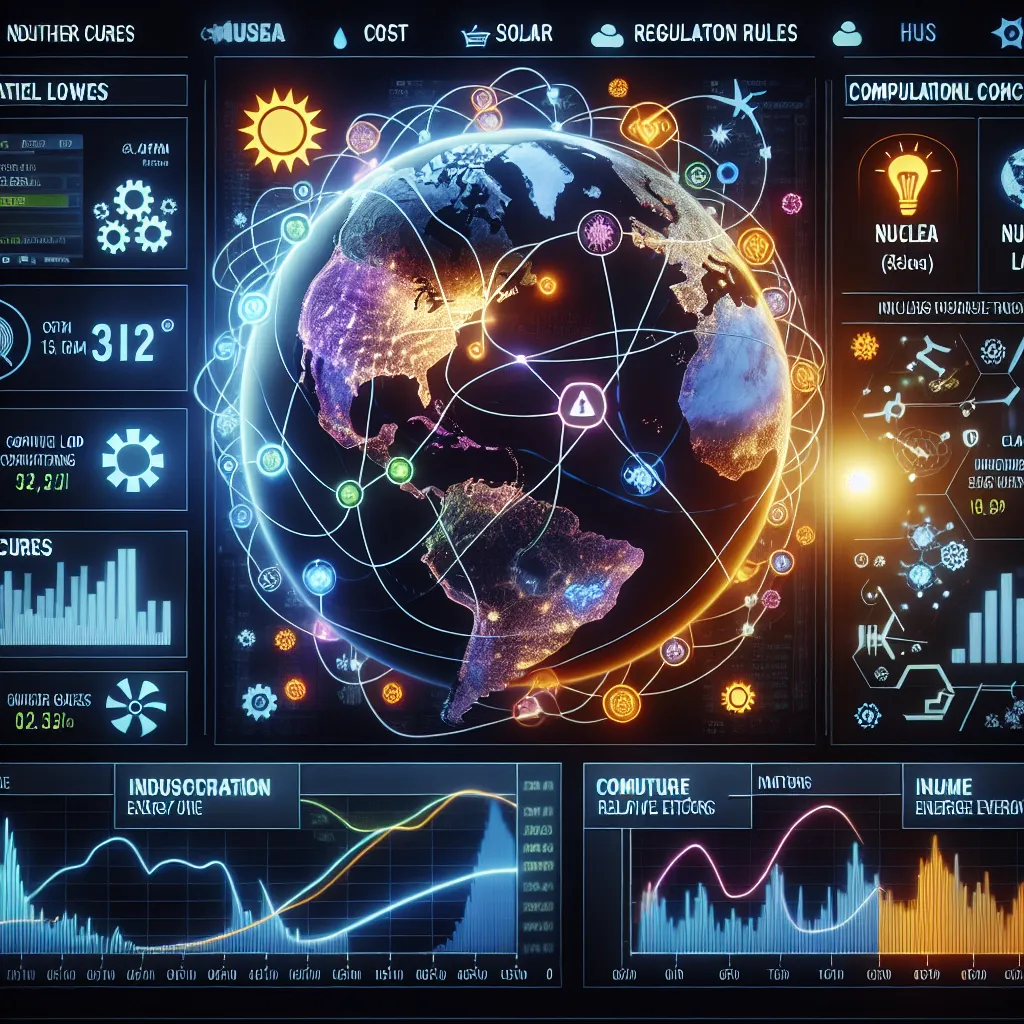
Countries can’t easily choose between advanced nuclear or massive solar — political and regulatory battles freeze progress. SplitStream offers a dynamic “energy rebalancer” that continuously shifts input sources based on cost curves, weather, regulation, and local grid limits — a routing layer that makes mixed generation optimal instead of chaotic. Why now? Because we’re finally seeing nuclear restart combined with historic solar volume — but without smart balancing, both underperform. Imagine Texas during a heatwave: the system automatically shunts industrial loads to nuclear baseload and pushes discretionary compute tasks to regions with excess solar. No blackouts, no waste.
Description
No additional description provided.
The Pitch
In the current global energy landscape, countries are faced with a complex dilemma: choosing between advanced nuclear power or large-scale solar energy. This decision is often complicated by political and regulatory challenges, which tend to stall progress. As a result, both energy sources frequently underperform due to the lack of a cohesive integration strategy. Enter SplitStream: a cutting-edge solution designed to seamlessly integrate and optimize diverse energy sources for maximum efficiency and reliability.
Backstory
The energy industry stands at a pivotal juncture. While nuclear energy is witnessing a renaissance with new advancements, solar power has achieved unprecedented production levels worldwide. Yet, the lack of a dynamic and flexible system to manage these potentially conflicting power sources leads to inefficiencies and lost opportunities. Traditional energy management systems are not equipped to handle the complex demands of modern grids with their varied input sources and fluctuating output requirements.
Problem
At the heart of the issue lies a critical need for dynamic energy balancing. Without it, nuclear and solar power cannot reach their full potential. Utilities face challenges in navigating cost curves, weather variability, regulatory changes, and local grid constraints. These challenges often lead to energy underutilization, increased costs, and even power outages.
Solution
SplitStream introduces a revolutionary approach to energy management by serving as an energy rebalancer. This smart routing layer continuously adjusts energy input sources to optimize performance. By analyzing real-time data on costs, weather conditions, regulations, and grid limitations, SplitStream effectively orchestrates a balanced energy supply. This dynamic system ensures that mixed generation becomes optimal, instead of chaotic and inefficient.
Product Details
SplitStream is a sophisticated software platform that incorporates advanced algorithms and AI-driven analytics to manage and optimize energy distribution. The key features include:
1. Real-time Monitoring: Constantly tracks energy costs, availability, and grid performance metrics. 2. Dynamic Load Balancing: Automatically adjusts power sources to meet real-time demands and optimize grid performance. 3. Predictive Analytics: Leverages historical and real-time data to forecast energy needs and optimize source allocation. 4. Regulatory Compliance: Helps navigate local, regional, and national regulations with automated compliance checks.
Tools for MVP Launch
Launching SplitStream as a Minimum Viable Product (MVP) involves leveraging various tools to streamline development and deployment. Key tools include:
- Cloud-based Infrastructure: Utilize platforms like AWS or Azure for scalable computing resources and data storage. - AI and Machine Learning Frameworks: Implement TensorFlow or PyTorch to develop predictive analytics and optimization algorithms. - APIs: Develop modular APIs for seamless integration with existing grid management systems. - Data Visualization Tools: Employ Tableau or Power BI to create comprehensive dashboards for real-time monitoring and reporting.
Go-to-Market (GTM) Strategy
1. Target Market: Focus initially on regions with both advanced nuclear and significant solar capacity. 2. Strategic Partnerships: Collaborate with utilities, policymakers, and energy regulators to encourage early adoption. 3. Pilot Programs: Launch pilot projects to demonstrate efficacy and collect feedback for iterative improvements. 4. Educational Campaigns: Conduct webinars and workshops to educate potential clients on the benefits of integrated energy management.
Business Model
The SplitStream business model combines a subscription-based pricing structure with a tiered offering. This includes:
1. Software-as-a-Service (SaaS) Model: Monthly or annual subscriptions based on grid size and energy volume managed. 2. Premium Features: Offer advanced analytics and bespoke solutions for enterprises seeking tailored energy management strategies. 3. Consulting Services: Provide expert consultancy for strategic planning and implementation of energy optimization strategies.
Conclusion
SplitStream promises to transform the way energy is managed and consumed by offering a dynamic, real-time solution that balances advanced nuclear and solar power sources. By addressing current challenges and anticipating future energy demands, SplitStream sets the stage for a sustainable and reliable energy future.