Spatial Mirror for Interior Design
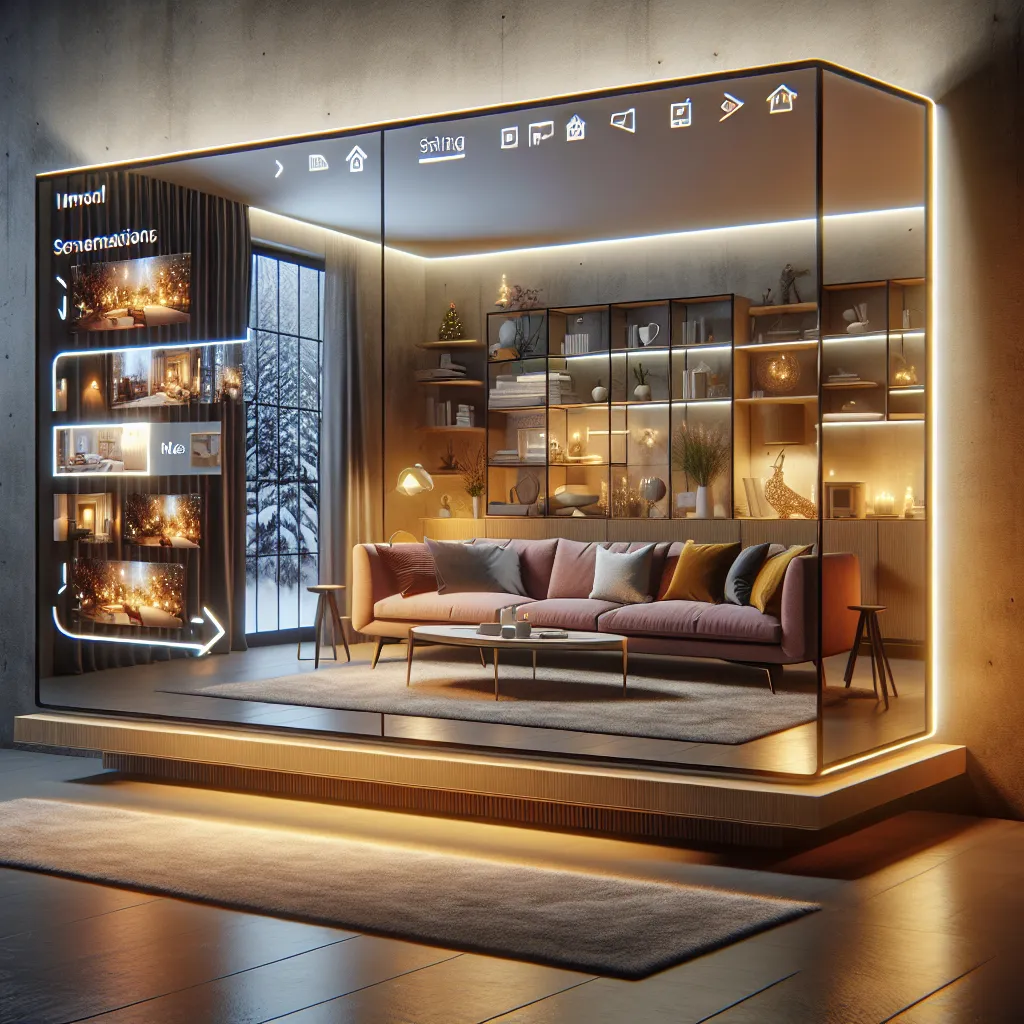
Consumers can preview furniture in their homes with basic AR apps, but these tools don’t account for lighting changes, seasons, or evolving styles. The Spatial Mirror is a persistent digital twin of your home that overlays furniture, decor, and layouts with time-based layers—showing how a space will feel at night, during holidays, or with different color schemes. It blends AR with contextual awareness to bring a deeply immersive design preview. This leverages Gartner’s Spatial Computing trend, which predicts that anchored digital content will become part of everyday life. A homeowner, for instance, could see how a couch from West Elm looks in their living room at night with holiday lights on, or how spring vs. fall decor impacts mood—before buying a single item.
Description
No additional description provided.
The Pitch
For individuals interested in developing an innovative solution, consider the concept of an advanced augmented reality platform designed for immersive home design previews. This initiative stems from the limitations present in current AR applications for interior design. These existing tools typically allow users to preview how furniture might look in their homes; however, they often fall short by not considering important factors such as lighting changes, seasonal variations, or shifting design trends.
**Backstory and Problem Statement**: While AR technology has enabled consumers to gain a tentative glimpse of new furniture within their living spaces, these applications often lack contextual depth. Homeowners are not just interested in how a piece of furniture fits spatially; they are keen to understand how different elements interact over time and under varying conditions. For instance, how might a couch appear under evening light or adorned with holiday decorations? How does the mood shift with seasonal decor transitions? Current solutions do not offer this level of dynamic interaction.
**Solution**: Introducing the Spatial Mirror, a pioneering digital platform that serves as a persistent digital twin of one’s home. It overlays furniture, decor, and layouts with time-sensitive layers, offering an immersive visualization that captures changes from day to night, across different seasons, and evolving styles. By integrating AR with contextual sensitivity, it provides users with a powerful tool to foresee and experience how their home will feel in diverse scenarios before making any physical changes.
**Product Details**: The Spatial Mirror leverages emerging trends in Spatial Computing, as highlighted by Gartner, which suggests that anchored digital content will soon become integral to daily life. This platform uses advanced AR technology coupled with machine learning to create realistic and adaptable digital replicas of physical spaces. Key features may include: - Real-time lighting adjustment to show how spaces transform from daylight to evening ambiance. - Seasonal design overlays, allowing users to toggle between seasonal decor to evaluate mood and style differences. - Integration with popular furniture and decor retailers, enabling users to preview actual products from brands like West Elm in their digital spaces. - Customization options to experiment with color schemes and layout configurations.
**Tools for MVP Launch**: To efficiently bring the Spatial Mirror to market as a Minimum Viable Product (MVP), consideration should be given to leveraging AR development platforms such as Unity or Unreal Engine. Machine learning frameworks like TensorFlow or PyTorch could support the contextual adaptation features. Cloud services like AWS or Google Cloud, with their robust computing and storage capabilities, would facilitate seamless data processing and distribution.
**Go-To-Market (GTM) Strategy**: Initially targeting tech-savvy homeowners and early adopters in urban areas could create the foundational user base. Strategic partnerships with interior design firms and furniture retailers can foster credibility and expand reach. Launch campaigns may include engaging social media content demonstrating the platform’s capabilities and virtual workshops or webinars showcasing real-life applications.
**Business Model**: A freemium model can be adopted, offering basic functionality at no cost while unlocking advanced features through subscription tiers. Additional revenue streams might include affiliate partnerships with furniture and decor brands, earning commissions on sales generated through the platform. In-app purchases of unique design templates or consulting services can further enhance monetization.
By addressing current AR limitations with a holistic and dynamic approach, the Spatial Mirror stands poised to transform the consumer experience in home design, providing a robust tool for visualization and planning that truly reflects the complexity and richness of real-world environments.