Space-Based Cooling Solution for AI Data Centers
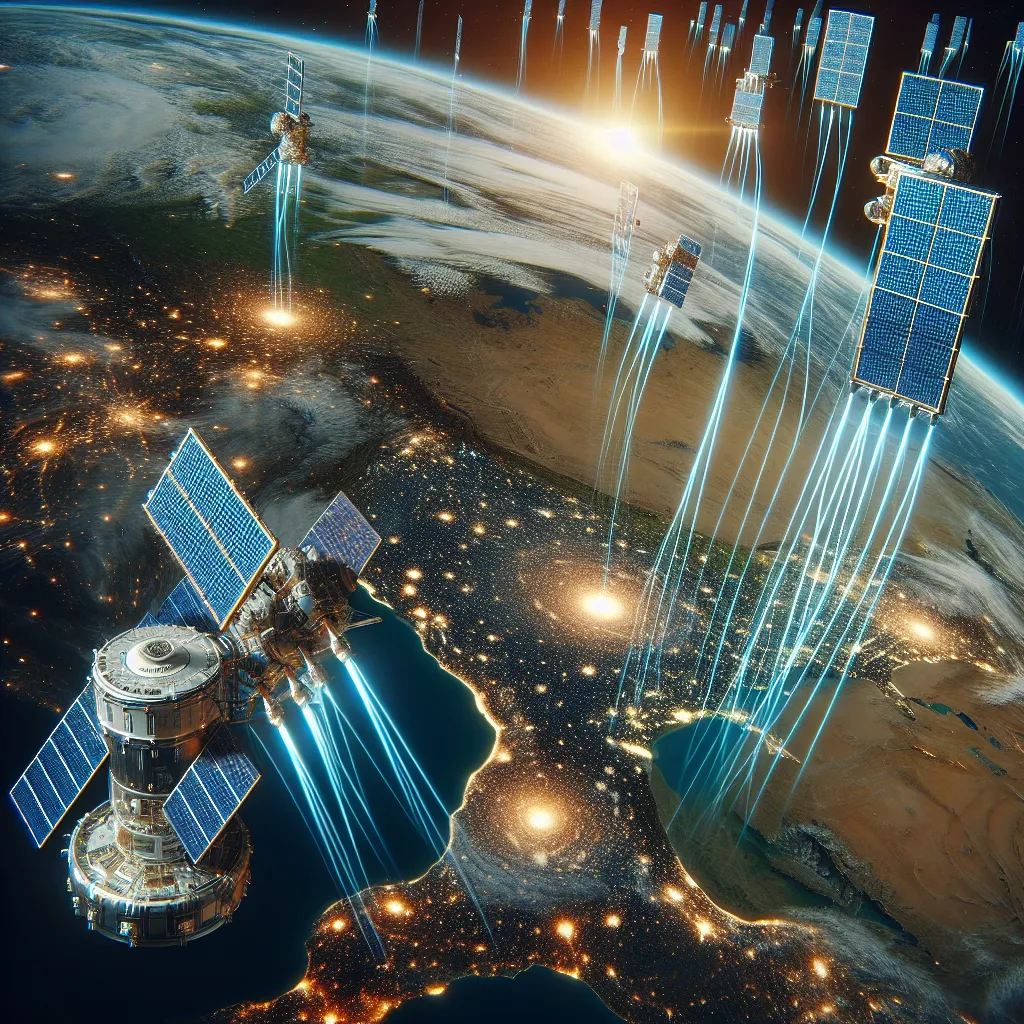
Earth’s AI data centers are running into a hard ceiling — not compute, not electricity, but heat. Cooling now accounts for 30–40% of total cost, cities are rejecting new data-center permits over water use, and next-gen GPUs run so hot they can’t be deployed at scale without massive infrastructure upgrades. Meanwhile, space has the perfect cooling environment: vacuum, radiative dissipation, and near-infinite “dark side” surface area. OTX is a space-based cooling network that lets data centers beam waste heat into orbit via infrared uplinks, where lightweight radiator panels dump it into space for free. No water, no chillers, no environmental constraints — just an API to off-planet cooling capacity that increases compute density wherever you need it. Why now: cheap launch, satellite mass-manufacturing, and AI’s exponential thermal load make cooling the new bottleneck. Example: A Phoenix cloud operator adds another 5MW of H100 racks by routing excess heat to OTX’s orbital array, expanding capacity without touching local water rights or grid permits.
Description
No additional description provided.
The Pitch
In recent years, the exponential growth of artificial intelligence and cloud computing has pushed the limits of terrestrial data centers. As AI models become more complex, they require increased computational power which, in turn, generates substantial heat. This has led to significant challenges in cooling data centers, not only in terms of operational costs but also in terms of environmental impact and infrastructure limitations. This document outlines a groundbreaking solution to this problem by leveraging the vast, untapped cooling potential of space.
Backstory: Data centers have traditionally relied on various cooling methods, ranging from air conditioning to advanced liquid cooling systems. However, as data demands continue to rise, these conventional approaches struggle to keep pace. The environmental and regulatory implications are also becoming hard to ignore. In many urban areas, water usage restrictions and the energy consumption required for cooling have resulted in application denials for new data center permits. Furthermore, next-generation GPUs produce heat at levels that could soon outstrip the capabilities of even the most advanced cooling systems.
Problem: The fundamental problems faced by data centers today include:
1. High Cooling Costs: Cooling expenses now account for 30-40% of the total operating costs of data centers. 2. Environmental Constraints: Dependence on water and electricity for cooling is unsustainable and increasingly regulated. 3. Infrastructure Limits: The heat output of next-gen computing hardware necessitates costly infrastructure upgrades.
Solution: OTX presents an innovative solution through a space-based cooling network. By utilizing the natural cooling capacities of space, data centers can offload excess heat and bypass the limitations of terrestrial cooling methods.
Product Details: OTX's space-based cooling network operates through the following components:
1. Infrared Uplinks: Data centers can transmit waste heat into space using infrared uplinks. 2. Radiator Panels: Lightweight radiator panels deployed in orbit effectively dissipate heat into space's vacuum. 3. API Integration: A simple API provides seamless integration with data center management systems, facilitating flexible control over cooling capacity.
Key Benefits: - Zero Water Consumption: No reliance on local water resources for cooling. - No Chiller Systems Required: Eliminates the need for traditional chiller-based infrastructure. - Environmental Efficiency: Reduces the carbon footprint associated with data center operations. - Increased Compute Density: Enables higher densities of computing hardware without extensive infrastructure modifications.
Tools for MVP Launch: 1. Satellite Manufacturing: Engage with partners specializing in satellite mass production to achieve economies of scale. 2. Launch Partnerships: Collaborate with cost-effective launch service providers to deploy radiators into orbit. 3. Software Development: Create an API and control dashboard for ease of integration with existing data center management systems.
Go-to-Market Strategy: 1. Target Early Adopters: Focus on regions with stringent cooling regulations or scarce water resources, such as Arizona and California, where the need is most pressing. 2. Partner with Cloud Providers: Collaborate with major cloud service providers, offering them a competitive edge in expanding their data center capacities. 3. Industry Demonstrations: Host demonstrations and pilot programs to showcase the effectiveness and ROI of space-based cooling.
Business Model: 1. Subscription Model: Offer cooling capacity as a subscription service based on the volume of heat dissipated. 2. Tiered Pricing: Provide tiered pricing based on scalability and integration levels to accommodate different sizes and types of data centers. 3. Partnership Discounts: Offer discounted rates to strategic partners and early adopters to encourage rapid adoption and build market trust.
Conclusion: The challenge of data center cooling is reaching a critical inflection point, driven by the emerging thermal loads of AI technologies. OTX's space-based cooling network represents not only a pioneering technological solution but also a vision for a sustainable, high-density computing future. By addressing core constraints such as cost, regulation, and environmental impact, this initiative positions itself as a vital part of the infrastructure for the next wave of technological advancement.