Solar Satellite Power for Remote Operations
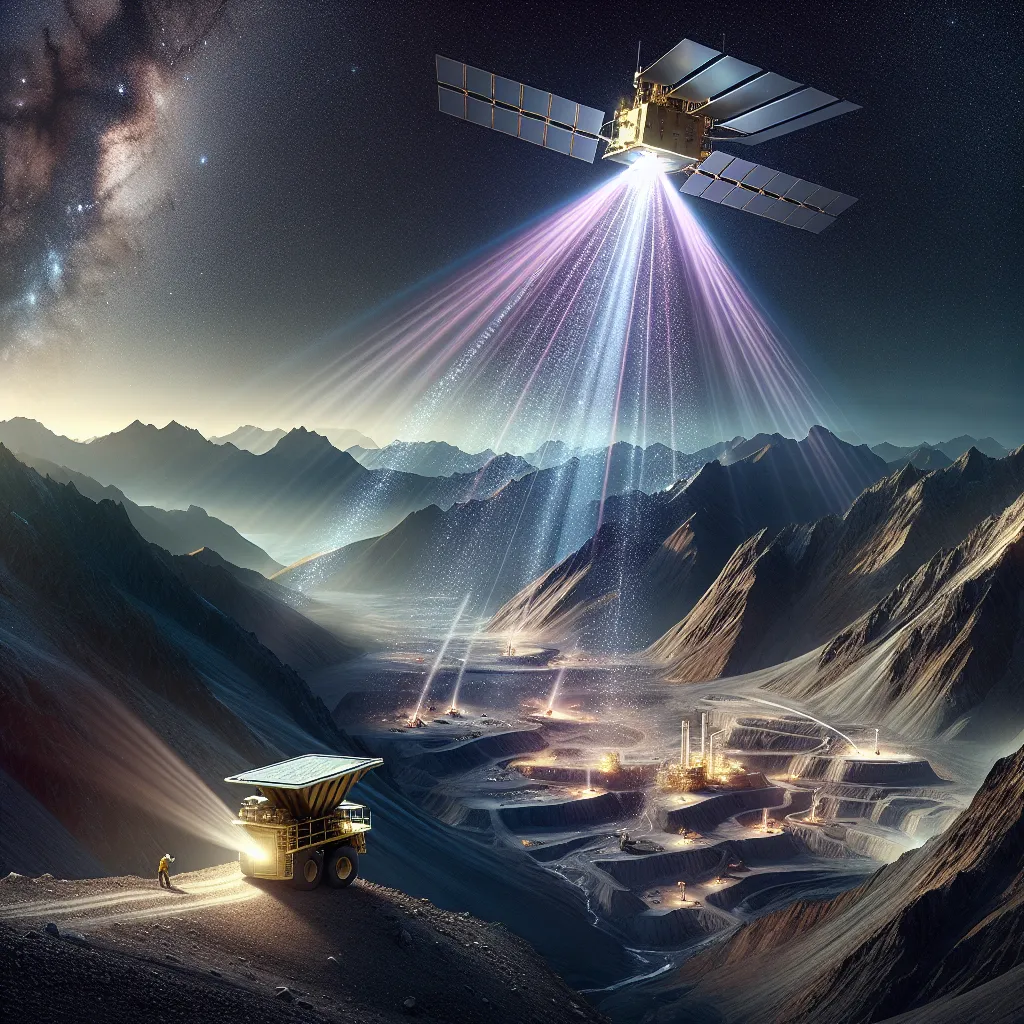
Remote operations—like mining sites, research stations, or disaster zones—often lack reliable power and face high diesel costs. A novel startup could deploy solar-powered LEO satellites that beam energy to ground-based receivers via infrared lasers, offering on-demand clean power. With the falling cost of launch and space-grade solar, this is becoming viable for specific high-margin use cases. For example, a gold mining operation in the Andes could lease satellite power capacity to reduce its fuel dependency and environmental footprint, with no need to build new infrastructure on-site.
Description
No additional description provided.
The Pitch
In recent years, remote operations such as mining sites, research stations, and disaster response zones have been plagued by the challenge of securing reliable and sustainable power sources. These locations often rely heavily on diesel generators, which are not only costly but also environmentally detrimental. However, advances in technology and the decreasing cost of space launches have opened up new opportunities to address these challenges in innovative ways.
The Challenge
For remote operations, the dependence on diesel power brings a host of difficulties. High fuel costs, logistical complications of transporting diesel, the risk of fuel theft, and significant carbon emissions all pose substantial drawbacks. Moreover, building new infrastructure to support alternative power generation on-site can be both time-consuming and financially prohibitive.
The Solution
A novel startup concept proposes the deployment of solar-powered Low Earth Orbit (LEO) satellites to beam energy to ground-based receivers via infrared lasers. This groundbreaking approach offers on-demand, clean power without the need for constructing additional infrastructure at remote sites. Critical to its viability are the recent reductions in the costs associated with launching satellites and producing space-grade solar panels, allowing for a cost-effective and scalable energy solution.
Product Overview
The core product involves a constellation of LEO satellites equipped with advanced solar panels that capture solar energy and convert it into focused infrared beams. These beams are directed at specially designed ground-based receivers at the remote site, which then convert the infrared energy back into electricity.
Tools for MVP Launch
1. Satellite Manufacturing Partnerships: Collaborate with established aerospace manufacturers to build the initial batch of satellites cost-effectively.
2. Laser Technology Vendors: Partner with companies specializing in infrared laser technology to ensure reliability and efficiency in energy transmission.
3. Ground Receiver Design: Work with renewable energy engineers to develop effective ground-based receivers optimized for diverse environmental conditions.
4. Testing and Validation Facilities: Utilize space and technology hubs that offer testing environments for new satellite and energy technologies.
Go-to-Market Strategy
1. Target Market Identification: Focus on high-margin industries such as mining, where energy costs contribute significantly to operational expenses.
2. Strategic Alliances: Form partnerships with companies operating in remote sites, as well as government agencies involved in disaster response.
3. Pilot Projects: Implement initial pilot projects with a select group of clients to demonstrate reliability, efficiency, and cost savings.
4. Marketing and Education: Develop an awareness campaign highlighting the environmental and operational benefits of satellite-beamed solar energy.
5. Regulatory Approvals: Navigate and secure necessary approvals from space and energy regulatory bodies to ensure compliance.
Business Model
The business model is grounded in a leasing framework, where clients lease satellite power capacity, paying a subscription fee based on their energy consumption needs. This model provides flexibility and scalability, allowing clients to adjust their usage as needed. Additionally, the startup could explore providing performance guarantees and long-term contracts with tiered pricing to adapt to different client requirements.
Conclusion
The deployment of solar-powered LEO satellites for energy transmission embodies a transformative approach to solving the frequent challenges encountered by remote operations. By integrating cutting-edge technology with a sustainable business model, this startup could redefine how isolated industries access and utilize energy, fostering a cleaner, more efficient future.