Solar-Powered, Toxin-Free Pest Control Network
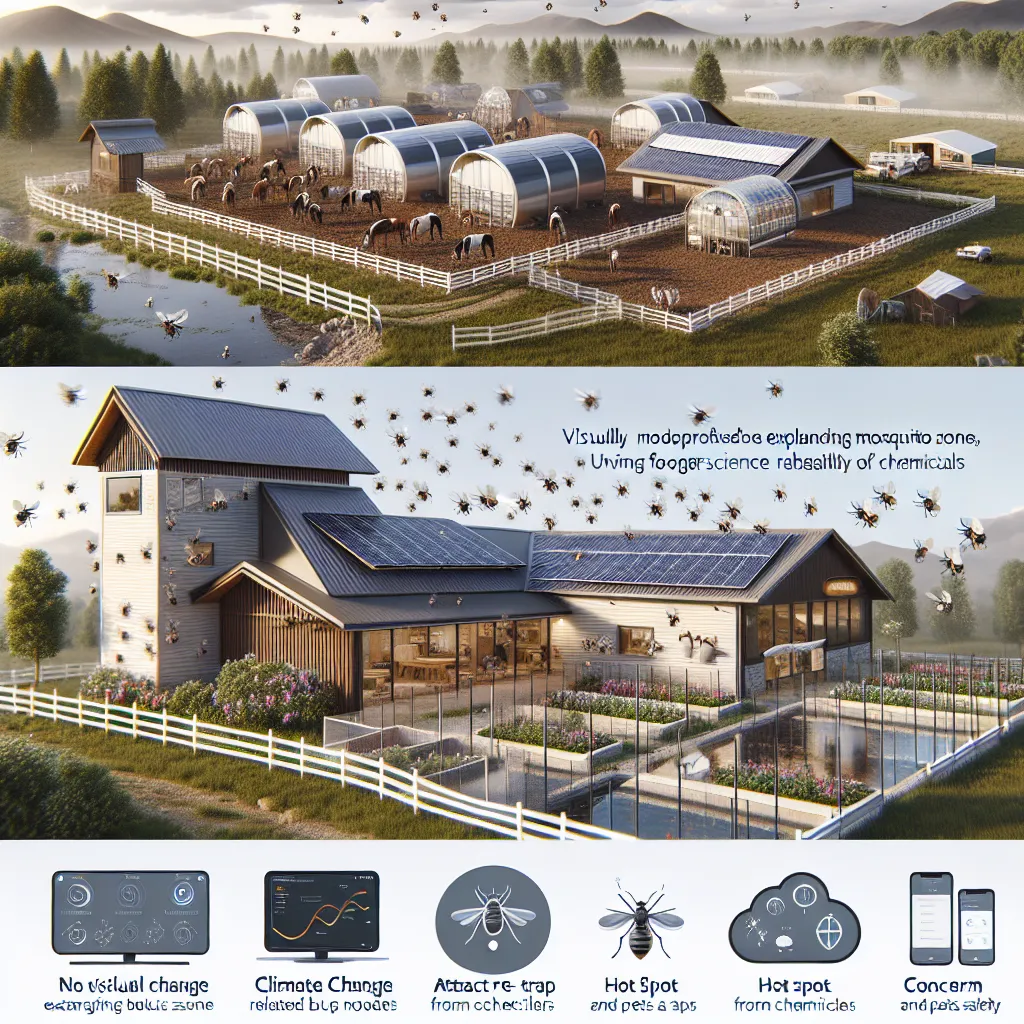
Most people hate bugs, but the real problem isn’t annoyance—it’s a mix of disease risk, ruined outdoor living, and toxic chemicals sprayed all over homes, farms, and pets. Today’s choices are either poisons that end up in our lungs and waterways or gimmicky traps that don’t work at scale. The solution is a modern “Ring for bugs”: a network of solar-powered, always-on stations that quietly attract, trap, and neutralize flies, mosquitos, and other pests across a property using behavior science instead of toxins. Think modular devices for homes, farms, ranches, and outdoor venues, all cloud-connected so you can see “bug load,” hotspots, and effectiveness. Why now: climate change is expanding mosquito zones, vector-borne disease is rising, and consumers are painfully aware that foggers and sprays are bad for kids, pets, and the planet. Example: a family ranch installs 20 low-cost stations around water sources and stables; within a month, fly pressure drops by 80%, the horses stop getting swarmed, and the owner can literally see the captured volume in the app—plus share a “bug-free backyard” badge with neighbors and HOAs who become the next customers.
Description
No additional description provided.
The Pitch
Imagine a world where enjoying the outdoors doesn’t come with the constant annoyance and health risks associated with insects. The real challenge isn't merely the irritation they cause, but the broader implications of disease transmission, the degradation of outdoor living experiences, and the rampant use of harmful chemicals in our personal spaces. Current solutions largely fall into two problematic categories: chemical sprays that pose environmental and health risks, and ineffective traps that fail to address the issue on a larger scale.
The innovation required is a contemporary solution akin to a “Ring for bugs.” The vision is to establish a network of solar-powered, always-active stations that effectively attract, trap, and neutralize insects such as flies and mosquitoes across various properties. By leveraging behavioral science instead of chemicals, this approach presents a safer alternative. Picture modular devices designed for diverse environments—whether homes, farms, ranches, or outdoor venues—all interconnected via the cloud. This connectivity allows users to monitor metrics like “bug load,” identify hotspots, and evaluate device effectiveness in real-time.
The timeliness of this solution cannot be overstated. Climate change is broadening mosquito habitats, leading to a surge in vector-borne diseases. Meanwhile, consumers are increasingly conscious of the detriments associated with using foggers and sprays around children, pets, and the ecosystem. For example, a family owning a ranch could deploy 20 affordable stations near water sources and stables. Within a few weeks, they might observe an 80% reduction in fly populations, significantly improving the quality of life for animals and humans alike. The user-friendly app would not only display metrics of captures but also offer social features, such as sharing a “bug-free backyard” badge, fostering community engagement and encouraging wider adoption among neighbors and local homeowner associations.
For those looking to bring this vision to market, the first step would be building a Minimum Viable Product (MVP). This could leverage existing technologies and platforms to reduce development time and cost. Tools like Arduino or Raspberry Pi, alongside IoT cloud platforms such as AWS IoT or Google IoT Core, would facilitate the creation of functional prototypes. These devices should incorporate solar panels, smart sensors, and connectivity modules to ensure sustainability and real-time data transmission.
The go-to-market (GTM) strategy should focus on partnerships and direct-to-consumer outreach. Collaboration with outdoor venue operators, agricultural associations, and eco-conscious organizations could provide a significant entry point. A direct outreach campaign might include social media advertising, influencer partnerships in the sustainable living space, and targeted online content marketing. Demonstrating the product’s efficiency and ecological benefits through case studies and testimonials will be essential.
Regarding the business model, a subscription-based approach for data access and enhanced features could complement the base sales of the stations. Customers would purchase the devices with an option to subscribe for premium monitoring services, data analytics, and ongoing support. This model could ensure a steady revenue stream and foster brand loyalty through continuous value delivery.
This innovative solution not only addresses a pressing global issue but also aligns perfectly with the growing demand for environmentally conscious and health-focused technologies. Deploying this system could transform how we cohabit with nature, ensuring our outdoor spaces remain enjoyable and safe for future generations.