Soft Exosuit Mimics Muscles for Natural Support
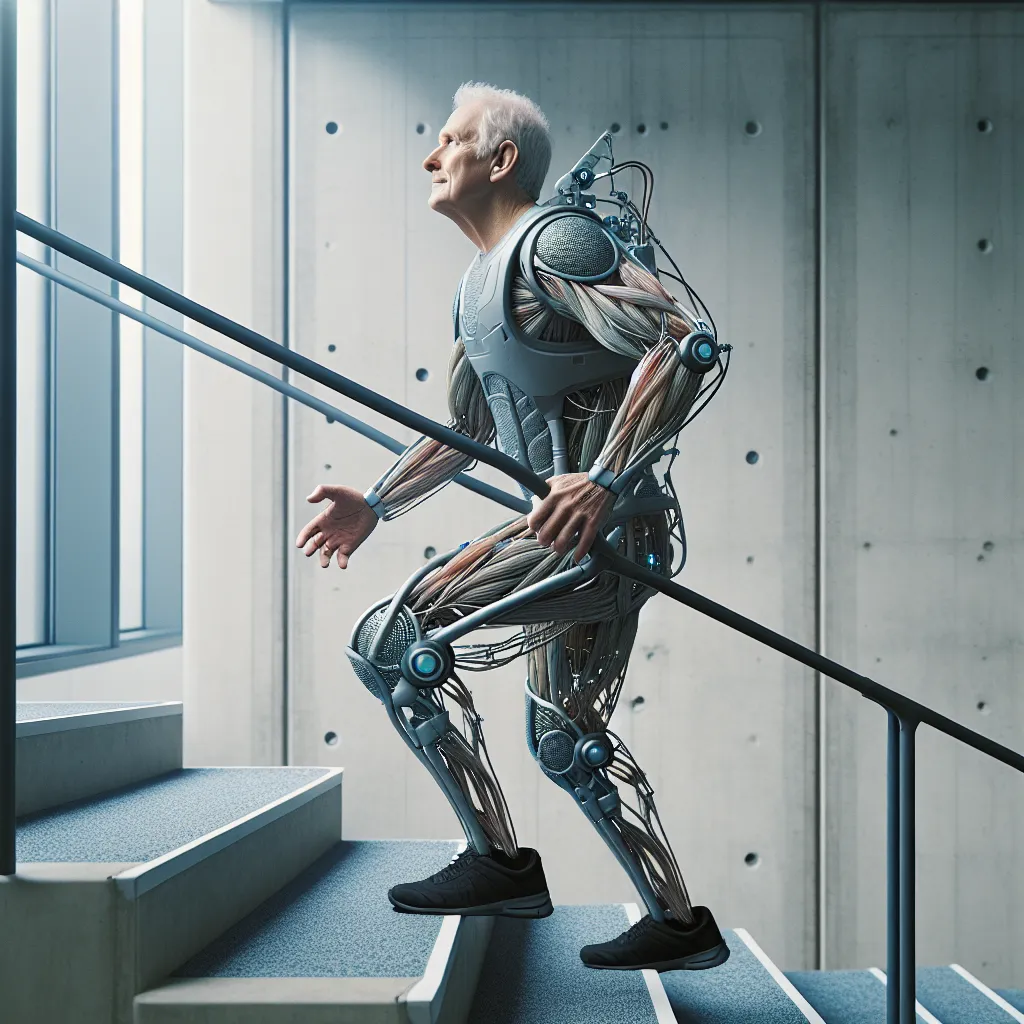
Motor-based exoskeletons are heavy, jerky, and uncomfortable — making them a poor fit for elderly people, rehab patients, and workers who need smooth, natural support. A soft exosuit powered by biohybrid muscle fibers and artificial tendons would deliver assistance that feels organic and intuitive, because the actuation mimics real biology. The MIT breakthrough finally makes muscle-tendon actuators strong and efficient enough for true augmentation, at a moment when aging populations and at-home rehab are growing dramatically. Picture a post-surgery patient wearing a lightweight exosuit that contracts and releases with their gait, helping them walk, climb stairs, and regain strength without the bulk or stiffness of today’s robotic systems.
Description
No additional description provided.
The Pitch
The use of exoskeletons in healthcare and industrial settings has long held promise for improving mobility and strength. However, traditional motor-based exoskeletons are often cumbersome, rigid, and uncomfortable, limiting their effectiveness and adoption. The advent of a soft exosuit powered by biohybrid muscle fibers and artificial tendons presents a transformative opportunity. This innovation offers natural and intuitive assistance, aligning seamlessly with the body’s movements, thus providing a compelling solution for elderly individuals, rehabilitation patients, and workers needing ergonomic support.
**Backstory**
With global populations aging rapidly and the need for home-based rehabilitation solutions increasing, there is a pressing demand for technologies that enhance mobility without sacrificing comfort or practicality. Traditional exoskeletons, while effective in some scenarios, fall short in providing the kind of organic support needed for widespread use among the elderly and those recovering from surgery. The breakthrough at MIT in developing muscle-tendon actuators has finally achieved a level of strength and efficiency previously unattainable, paving the way for the development of a soft exosuit that addresses these limitations.
**Identifying the Problem**
Current exoskeleton technology relies heavily on motors, making devices bulky and uncomfortable. These systems often produce jerky movements, which do not cater well to users requiring gentle, supportive motion. This disconnect with natural body mechanics limits adoption among target demographics such as elderly individuals and those undergoing rehabilitation. Moreover, the stigma and inconvenience of wearing large, mechanical suits further deter potential users.
**The Solution**
The soft exosuit marries cutting-edge biohybrid muscle fibers with artificial tendons, offering an actuation method that mimics natural human movement. This advancement allows for smoother, more fluid motion that feels organic to the wearer. The lightweight and flexible design focus on comfort and ease of use, making it suitable for extended use by various demographics, from post-surgery patients aiming to regain mobility to elderly individuals seeking assistance in everyday tasks.
**Product Details**
The soft exosuit consists of:
1. **Biohybrid Muscle Fibers**: These fibers generate force similar to human muscles, adjusting dynamically to the user's movement patterns.
2. **Artificial Tendons**: Engineered to store and release energy efficiently, these tendons ensure a responsive, natural feel.
3. **Adaptive Control Systems**: Advanced sensors and algorithms enable the suit to anticipate the user's needs, providing tailored support.
4. **Lightweight Materials**: Designed for comfort and mobility, the suit’s fabric is both breathable and durable, allowing for prolonged wear.
**Tools for Launching an MVP**
1. **Rapid Prototyping Hardware**: Tools like 3D printers and wearable technology development kits can help in quickly developing a functional prototype.
2. **Simulation Software**: Applications such as MATLAB or ANSYS can model and refine the mechanical and biomechanical aspects of the exosuit.
3. **User Testing and Feedback Platforms**: Utilize digital platforms to gather real-time user feedback, essential for iterative improvement.
**Go-To-Market Strategy**
1. **Targeted Partnerships**: Collaborate with healthcare providers and clinics to run pilot programs that demonstrate the exosuit’s effectiveness.
2. **Awareness Campaigns**: Educate potential users and their families through workshops, webinars, and social media on the benefits and usage of the exosuit.
3. **Endorsements from Influencers**: Engage with physiotherapists and geriatric care specialists to advocate for the exosuit.
**Business Model**
1. **Direct Sales**: Market directly to consumers for personal use and customization options according to their needs.
2. **Institutional Sales**: Negotiate bulk sales agreements with rehabilitation centers and elder care facilities.
3. **Subscription Services**: Offer maintenance and upgrade plans that ensure the exosuit remains aligned with the latest technological advancements and user needs.
The soft exosuit represents a significant leap forward in assistive technology, promising a future where enhanced mobility is seamlessly integrated into daily life for those most in need. As we move towards the launch, our focus remains steadfast on providing a solution that is as practical as it is revolutionary.