Sodium-Air Maritime Power Systems
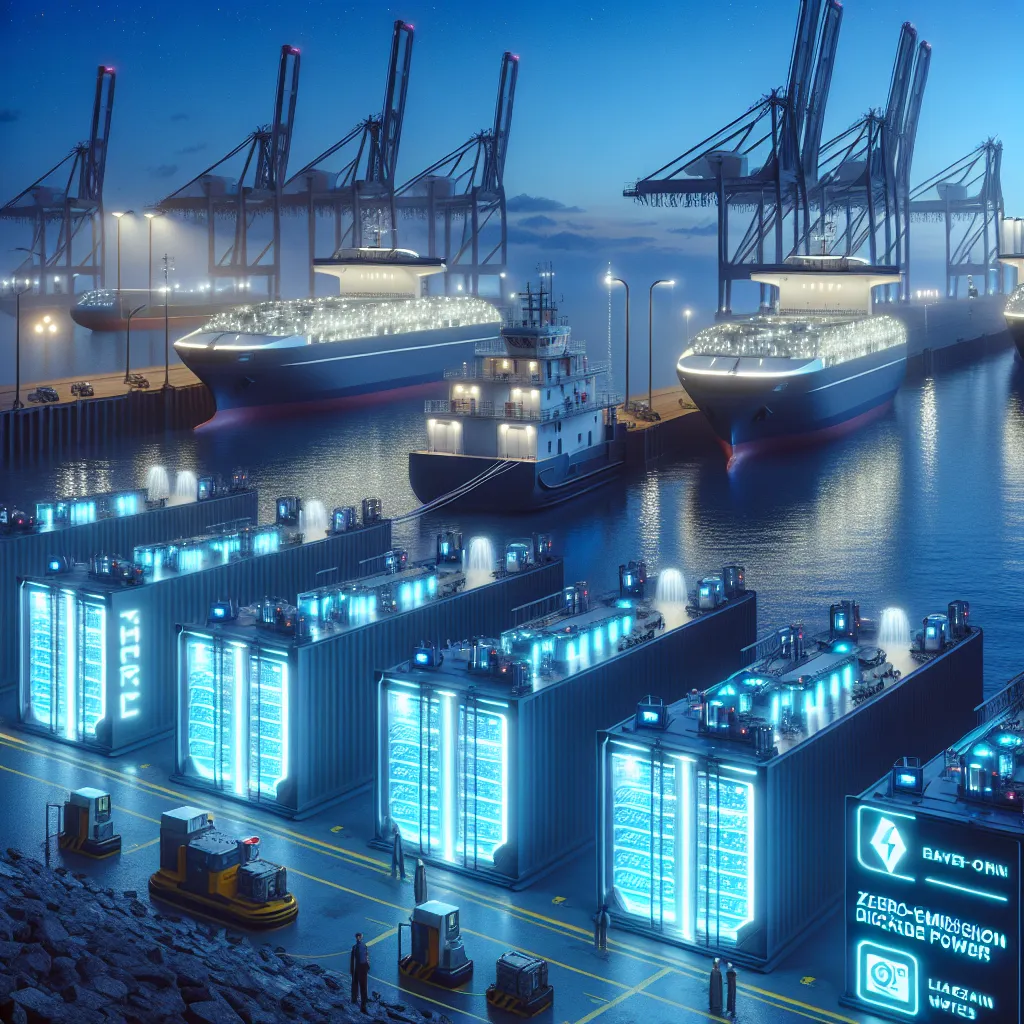
Cargo ships and ferries burn massive amounts of diesel for auxiliary power, especially while docked. A startup could adapt sodium-air fuel cells into maritime auxiliary power units, providing clean onboard electricity while capturing CO₂. Unlike hydrogen systems, sodium is more stable and easier to store on ships. As ports like LA, Rotterdam, and Singapore mandate zero-emission dockside power, this tech could be the perfect fit. A company could start by building portable container-sized units to power systems like lights, refrigeration, or crew quarters without running the main engine. Early customers could include green shipping fleets or port authorities seeking to meet regulatory goals.
Description
No additional description provided.
The Pitch
The global shipping industry is a cornerstone of international trade, yet it remains one of the largest contributors to environmental pollution. One significant area of concern is the extensive use of diesel for auxiliary power in cargo ships and ferries, especially while docked. This reliance on fossil fuels not only leads to substantial CO₂ emissions but also creates significant noise and air pollution in port cities. As the pressure for sustainable practices grows, especially in ports with stringent regulations like Los Angeles, Rotterdam, and Singapore, there is a pressing need for innovative solutions in maritime power systems.
**Problem Statement**
Current auxiliary power units (APUs) on ships rely heavily on diesel engines, which are inefficient and polluting. These engines are often kept running while a ship is docked, consuming significant amounts of fuel to power essential onboard systems like lighting, refrigeration, and accommodations for the crew. With increasing regulatory pressure to achieve zero-emission dockside power, shipping companies and port authorities urgently need a cleaner, more sustainable solution.
**Proposed Solution**
Sodium-air fuel cells present a promising alternative to conventional diesel-based APUs. Unlike hydrogen fuel cells, sodium is more chemically stable and easier to store, making it ideal for maritime applications. By converting sodium into clean electricity and capturing emitted CO₂, these fuel cells offer a dual benefit of reducing greenhouse gas emissions while providing reliable onboard power. Portable, container-sized units could power essential systems without requiring the main engines to remain operational, offering a significant reduction in fuel consumption and emissions while docked.
**Product Details**
Develop a series of portable, modular sodium-air fuel cell units specifically designed for maritime auxiliary power:
1. **Specifications**: Each unit should be capable of generating sufficient power for different on-board applications, such as lighting, HVAC, and refrigeration systems. Units should be constructed to withstand harsh marine environments.
2. **Design**: Container-sized for easy transport and deployment on various ship classes. Modular design allows for scalability, catering to different power requirements.
3. **Operation**: The system operates by oxidizing sodium in a controlled reaction with air to generate electricity, and is equipped with a CO₂ capture mechanism to minimize emissions.
4. **Safety**: Built-in safety features to manage sodium storage and fuel cell operations securely.
5. **Compatibility**: Designed to integrate seamlessly with existing ship infrastructure, requiring minimal retrofitting.
**Tools for MVP Launch**
To bring this solution to market as a Minimum Viable Product (MVP), the following steps and tools can be utilized:
- **Rapid Prototyping**: Use a combination of computer-aided design (CAD) software and 3D printing to develop and iterate designs quickly. - **Partnerships**: Collaborate with maritime engineering firms and port authorities for testing and initial deployment. - **Testing Facilities**: Leverage maritime testing facilities to ensure compliance with industry standards and regulations. - **Analytics Software**: Integrate IoT-enabled sensors to collect performance data, allowing for real-time monitoring and continual improvement of the system.
**Go-to-Market (GTM) Strategy**
- **Target Market**: Initially focus on green shipping fleets and port authorities in regions with strict emission regulations. - **Pilot Programs**: Establish pilot projects in major ports like Rotterdam or Singapore to showcase the technology and gather feedback. - **Partnerships**: Form strategic alliances with shipping companies and environmental regulatory bodies to gain early adopters and endorsements. - **Awareness Campaigns**: Create marketing campaigns highlighting environmental benefits and long-term cost savings to appeal to eco-conscious and cost-focused stakeholders. - **Engagement**: Participate in maritime trade shows and sustainability conferences to reach potential customers and industry influencers.
**Business Model**
The business model focuses on offering sodium-air fuel cell units through both direct sales and a leasing program, ensuring flexibility in financing options for clients. Additional revenue streams could come from maintenance services and future upgrades:
- **Direct Sales**: Capitalize on large shipping fleets looking to make permanent investments in green technology. - **Leasing Options**: Provide affordable leasing models to smaller operators or those hesitant to invest capital upfront. - **Service Agreements**: Offer maintenance and support services, ensuring reliable performance and customer satisfaction. - **Subscription Model**: Explore a subscription service for carbon capture credits, providing an added incentive for environmentally conscious operators.
**Conclusion**
Adapting sodium-air fuel cells as maritime auxiliary power units not only meets regulatory demands for cleaner operations but also sets the stage for a more sustainable and profitable maritime industry. By addressing the urgent need for zero-emission dockside power, this innovative technology offers a practical solution that aligns with global sustainability goals.