Sodium-Air Drones That Monitor and Absorb CO₂
Most environmental monitoring drones today have short battery lives and simply observe pollution without interacting with it. A new drone startup could change this by building long-endurance drones powered by sodium-air fuel cells that also absorb CO₂ as they fly. These drones could be deployed over forests, industrial zones, or cities — gathering climate data while actively helping clean the air. The CO₂-capturing ability is a unique advantage of sodium-air chemistry. This is timely given the explosion in climate tech funding and attention on carbon drawdown. The drones could be sold to environmental agencies, universities, or carbon offset networks as part of verified carbon removal systems.
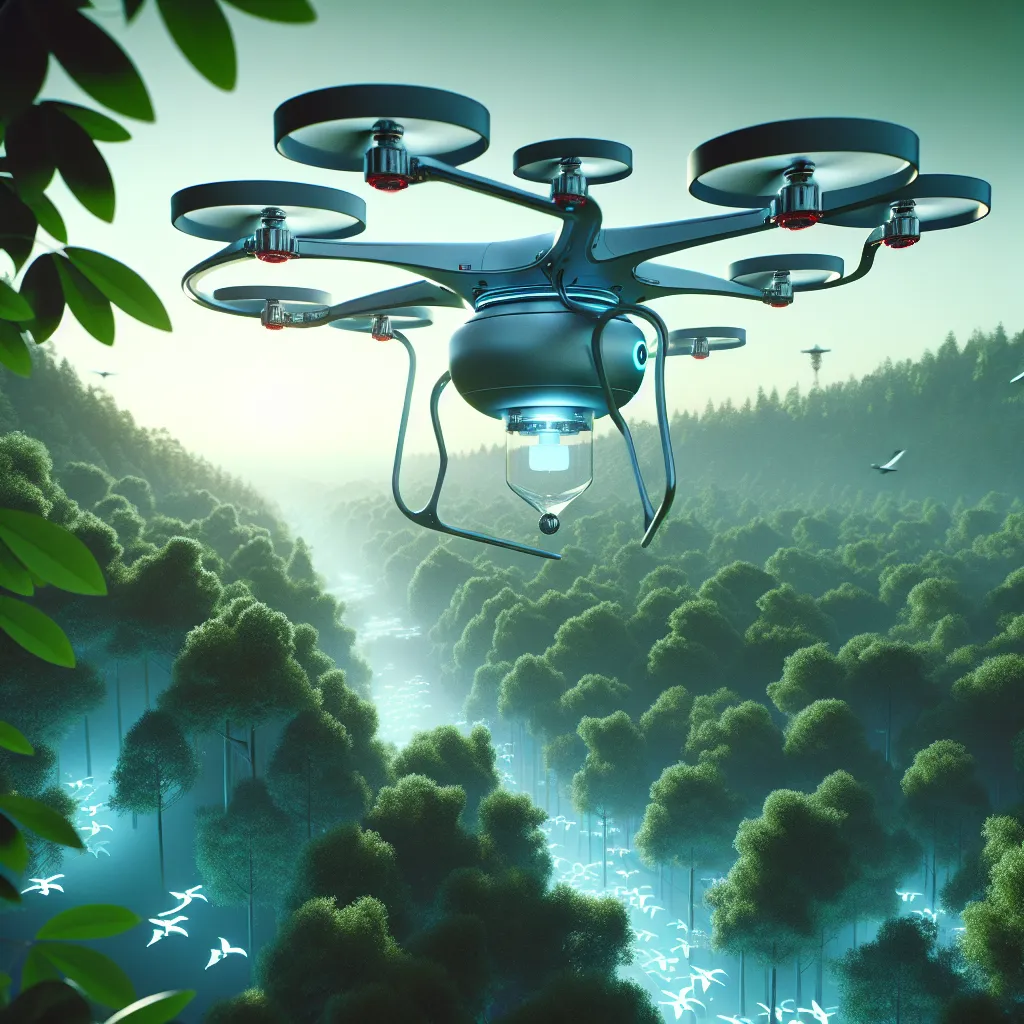
Description
No additional description provided.
The Pitch
In recent years, the impact of climate change has prompted significant attention towards innovative solutions that can actively combat environmental degradation. One emerging area of focus is the development of advanced drones for environmental monitoring and intervention. Existing drones often suffer from limitations such as short battery life and a passive role in environmental monitoring, merely collecting data without contributing to pollution mitigation.
There exists an exciting opportunity to address these shortcomings by developing a new class of drones. These drones could be enhanced with long-endurance capabilities, powered by sodium-air fuel cells, which offer extended operational times compared to traditional lithium-ion batteries. Additionally, they possess a revolutionary ability to absorb CO₂ while in flight, significantly contributing to carbon drawdown efforts.
The introduction of sodium-air chemistry marks a transformative step in drone technology. These fuel cells not only store energy more efficiently but also actively participate in environmental cleanup processes. With the rising interest and funding in climate technology, now is an opportune time to bring this innovation to market, positioning it as a vital tool in the fight against global warming.
The proposed drones could be deployed over a variety of landscapes such as forests, industrial zones, or urban areas. While flying, they perform dual functions: collecting critical climate data and reducing atmospheric CO₂ levels. This dual capability increases their utility and appeal across a broad spectrum of potential customers. Environmental agencies would benefit from their monitoring and data-gathering prowess, while universities could leverage them for research initiatives. Carbon offset networks would find value in their verified carbon removal capabilities, presenting a compelling case for investment and adoption.
To successfully launch these drones as a minimum viable product, several tools and strategies can be employed. Rapid prototyping and testing can be facilitated using development kits specifically designed for drones and advanced aerial systems. These kits may include components like lightweight frames, sodium-air fuel cells, and CO₂ absorption technology, enabling iterative design and testing to refine product functionality and efficiency.
The go-to-market strategy should focus on engaging early adopters from the environmental and research sectors, leveraging partnerships with universities and organizations focused on climate solutions. Demonstration projects, pilots, and collaborations would be instrumental in showcasing the effectiveness and value of these drones.
The business model could comprise selling the drones directly, offering them as part of a service package, or even a subscription model providing ongoing data services and maintenance. The latter could appeal to clients seeking consistent support and updates without the burden of drone maintenance.
In conclusion, building these advanced drones presents a unique convergence of technology innovation and environmental activism. By harnessing cutting-edge sodium-air fuel cell technology and a purposeful design focused on CO₂ absorption, this initiative can contribute significantly to the global efforts in tackling climate change. The strategic targeting of key markets, supported by robust partnerships and demonstration projects, will play an essential role in transforming this vision into a sustainable and impactful business venture.