SMRs for Clean Industrial Heat Services
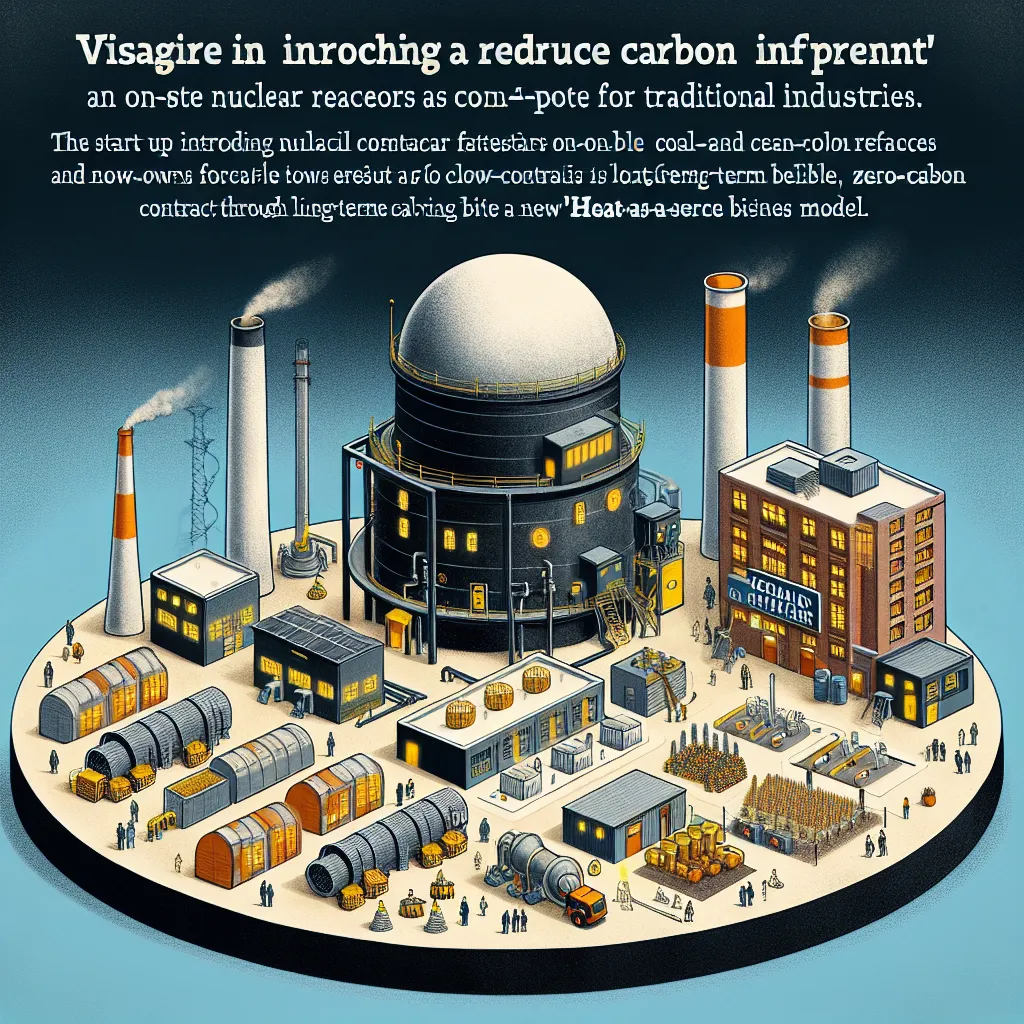
Many industries (cement, steel, chemicals) rely on high-temperature heat from fossil fuels, which is hard to decarbonize. A startup could deploy small modular reactors (SMRs) not for electricity, but as on-site heat sources for industrial clients. The company would own and operate the reactor units, selling “clean industrial heat” via long-term contracts. For example, a cement factory in rural India could switch from coal to a compact SMR that delivers consistent, zero-carbon heat—without needing to manage nuclear tech themselves. It’s like a “heat-as-a-service” business model.
Description
No additional description provided.
The Pitch
In recent years, the global call to combat climate change has intensified, urging industries to adopt sustainable practices and reduce carbon emissions. Among the most significant challenges faced by heavy industries such as cement, steel, and chemicals, is their reliance on high-temperature heat sourced from fossil fuels. This dependence not only contributes significantly to greenhouse gas emissions but also poses a substantial barrier to achieving decarbonization goals. The need for a cleaner, more sustainable heat source is clear, yet solutions that are both effective and feasible have been limited.
**Problem Statement** The industrial sector accounts for a significant portion of global carbon emissions, primarily due to its reliance on conventional energy sources for high-temperature processes. While electrification and renewable energy have seen success in other areas, they often fall short in meeting the unique demands of heavy industry. This challenge is further compounded by the fact that managing nuclear technology requires specialized expertise and regulatory navigation, posing additional hurdles for industries looking to transition.
**Solution Overview** Our proposed solution is to deploy Small Modular Reactors (SMRs) as on-site heat sources for industrial clients, specifically targeting industries that require high-temperature heat. Unlike traditional nuclear reactors, SMRs are designed to be compact, scalable, and more manageable, making them suitable for integration into industrial facilities. Our company would own and operate these SMR units, providing clean industrial heat through long-term contracts. This model allows industrial clients, such as cement factories, to transition to zero-carbon heat without the need to manage the complex nuclear technology themselves.
**Product Details**
1. **Small Modular Reactor (SMR) Technology** - **Compact and Scalable**: Designed for easy integration and flexibility to scale according to client needs. - **Safety and Efficiency**: Incorporates advanced safety features and efficient heat generation capabilities. - **Rapid Deployment**: Prefabricated units allow for faster site installation and minimal disruption.
2. **Heat-as-a-Service Model** - **Long-Term Contracts**: Ensures stability and predictability for industrial clients. - **Operational Management**: Our team handles all aspects of reactor operation, maintenance, and regulatory compliance. - **Zero-Carbon Footprint**: Provides a sustainable alternative to fossil fuel-based heat sources.
**Tools for MVP Launch**
1. **Partnerships with Nuclear and Industrial Experts**: Collaborate with nuclear technology providers and industry specialists to refine reactor designs and integrate them into industrial processes. 2. **Regulatory Compliance Platform**: Utilize tools and services that simplify the regulatory navigation and approval process for nuclear installations. 3. **Simulation Software**: Implement advanced modeling software to simulate deployment scenarios and optimize reactor performance. 4. **Customer Relationship Management (CRM)**: Establish systems to manage client interactions, maintain contracts, and provide service support efficiently.
**Go-to-Market (GTM) Strategy**
1. **Targeted Industry Engagement**: Focus initial efforts on industries with the highest heat demands and greatest potential for carbon reduction. 2. **Educational Initiatives**: Launch an awareness campaign to inform industrial players about the safety, benefits, and economic viability of SMRs. 3. **Pilot Projects**: Implement pilot installations to showcase success stories and build credibility within target industries. 4. **Partnerships and Alliances**: Form strategic alliances with governmental and non-governmental organizations to gain support and endorsement.
**Business Model**
- **Revenue Generation**: Primarily through long-term contracts for heat supply, with additional offerings such as maintenance and performance optimization services. - **Cost Structure**: Initial capital for SMR units, operational costs for reactor management, regulatory compliance, and client support services. - **Expansion Opportunities**: Explore international markets and develop ancillary services such as training programs and technical consultancy.
This initiative not only addresses a crucial gap in the decarbonization efforts of heavy industries but also positions the company as a leader in providing innovative and sustainable solutions in the industrial sector. By enabling industries to achieve their sustainability targets, we contribute to a global movement towards a cleaner, greener future.