Smart traffic management and road pricing system
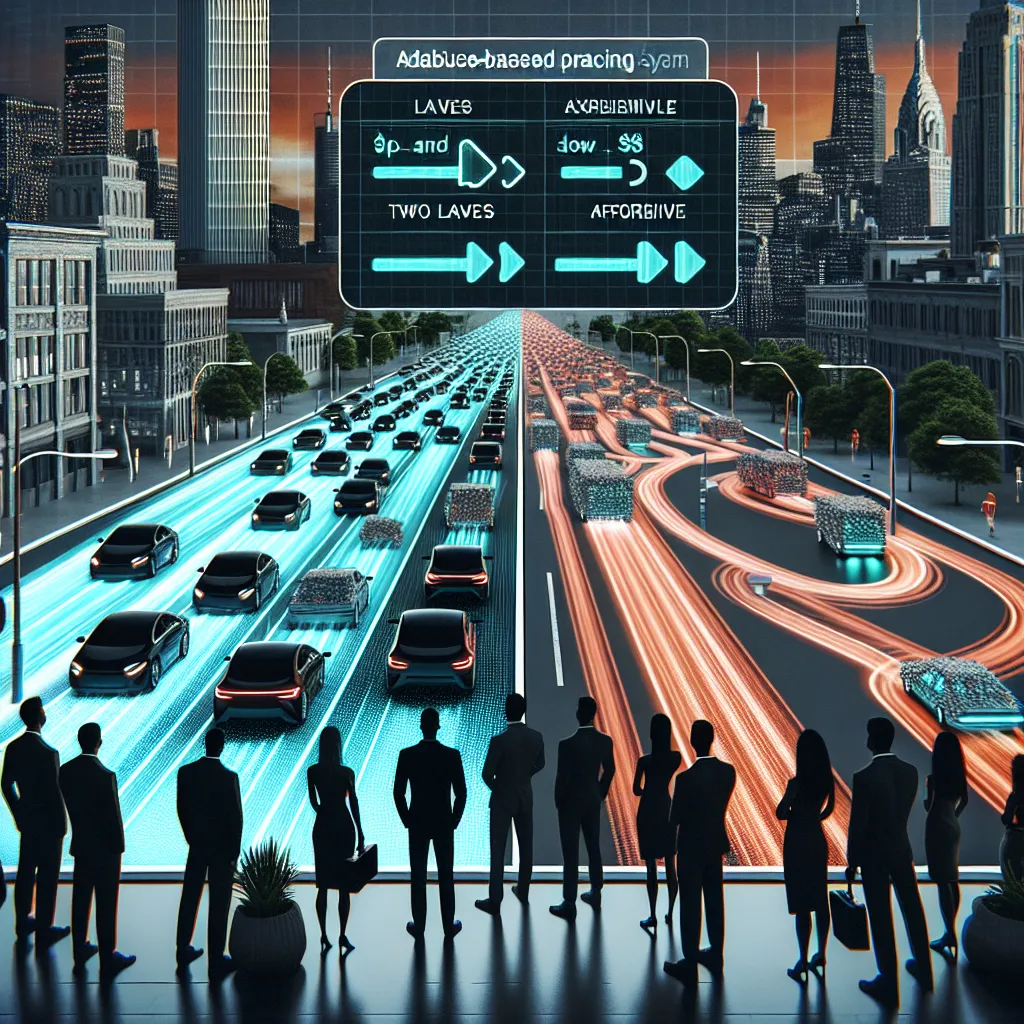
Urban traffic remains one of the most universally experienced, yet solvable problems, largely ignored due to the bystander effect—where everyone assumes someone else is working on it. Roads are treated like free grocery stores: paid with taxes, used without limit, resulting in constant congestion. The proposed solution is a dynamic, usage-based pricing system for road access, paired with AI-powered traffic lights and routing. This would allow commuters to choose between fast/expensive and slow/cheap travel options, incentivizing smarter use of infrastructure. For example, New York’s congestion pricing ($12 to enter Manhattan) drastically reduced traffic overnight. However, its coarse implementation—charging without rebating previous taxes—triggered backlash. A better system would refund redundant taxes and redistribute fees from “fast lane” users to subsidize “slow lane” users. This concept could underpin a trillion-dollar company, and the original speaker explicitly invited entrepreneurs: “If somebody wants to start this, I will be your advisor.”
Description
No additional description provided.
The Pitch
Urban traffic congestion is a persistent issue affecting cities worldwide, often exacerbated by the bystander effect, where individuals assume others are addressing the problem. The traditional approach to road infrastructure—funded by taxes and used without restrictions—leads to incessant congestion and inefficiencies. This initiative proposes an innovative solution to tackle this universal challenge through a dynamic, usage-based pricing system for road access, complemented by AI-enhanced traffic light management and routing systems.
Problem: Current road usage models operate like free grocery stores: funded by taxpayer money and consumed limitlessly, resulting in overcrowded roadways. This lack of efficiency leads to significant time loss, increased pollution, and elevated stress levels for commuters. The implementation of flat congestion pricing, like that in New York City, shows potential by reducing traffic volumes noticeably. However, it often lacks precision and does not compensate users for redundant taxes, which can lead to public dissatisfaction and resistance.
Solution: Our proposed solution introduces a dynamic pricing model for road usage that factors in real-time traffic conditions, incentivizing commuters to make cost-effective and efficient travel decisions. By providing choices between fast, more expensive routes and slower, cheaper alternatives, this system aims to optimize urban traffic flow. Further, by utilizing AI-powered traffic lights and real-time data analytics, road networks can be managed more fluidly, drastically reducing congestion and promoting equitable usage.
Product Details: 1. Dynamic Pricing System: A tiered pricing model where fees are adjusted based on real-time traffic conditions, distance, and road demand. Revenue generated from this model can subsidize slow lane users, making it a fair and balanced system.
2. AI-Powered Traffic Management: Implementing machine learning and AI to control traffic signals and provide optimal routing suggestions. This technology can predict congestion patterns and adjust signal timings to improve traffic flows significantly.
3. User App Interface: A mobile application that updates users in real-time about pricing, routing options, and estimated travel times, tailored to individual preferences and budget constraints.
Tools for MVP Launch: 1. Cloud Computing Platforms: Services like AWS or Google Cloud can host the backend infrastructure, offering scalability and robust data processing capabilities. 2. AI and Machine Learning Frameworks: Tools like TensorFlow or PyTorch can facilitate the development of predictive traffic models. 3. Mobile Application Development Platforms: Use React Native or Flutter for cross-platform app development, ensuring a seamless user experience. 4. Data Analytics: Implement analytics tools like Tableau or Looker to visualize traffic patterns and user data for continuous improvement.
GTM Strategy: 1. Pilot Program: Initiate in a mid-sized city with existing congestion challenges to demonstrate efficacy and collect early user feedback. 2. Partnerships: Collaborate with city governments, transportation departments, and urban planners to integrate with existing infrastructure. 3. User Engagement: Launch educational campaigns to inform the public on the benefits and ease of the new system. 4. Incentive Initiatives: Offer limited-time discounts or incentives for early adopters to encourage initial use and collect valuable data.
Business Model: The revenue will be primarily generated through dynamic road usage fees. By creating a balanced pricing model, the system can redistribute funds to maintain fairness and inclusivity. Additional revenue streams could include premium app features, data licensing for urban planning, and partnerships with local businesses for promotions.
This transformative approach to urban traffic management not only aims to alleviate congestion but also fosters sustainable urban growth. This initiative offers a promising opportunity for entrepreneurs to contribute to a trillion-dollar market while positively impacting daily life in urban settings.