Smart Ski Wear Regulates Temperature Automatically
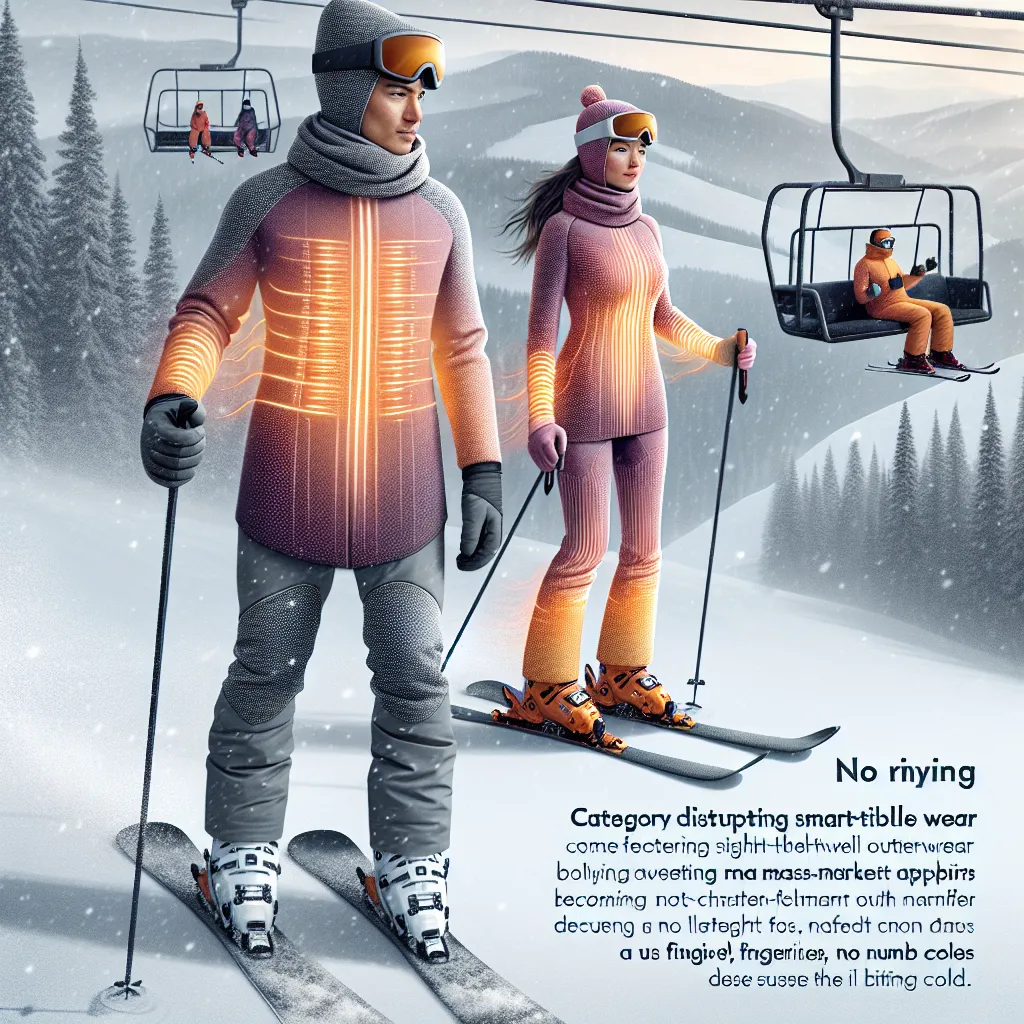
Skiers still deal with the ancient problem Emilio Pucci tried to solve in the 1940s: clothing that swings from freezing on the lift to overheating mid-run. ThermoFit uses thin, flexible heating/cooling panels woven into the fabric to auto-regulate temperature based on exertion, altitude, and weather. Why now: Materials innovation + lightweight flexible batteries make smart-textile outerwear viable for mass-market apparel. Example: On a windy 15-degree morning, your jacket subtly warms on the lift, cools as you carve a run, and syncs with your gloves to stop fingers from going numb.
Description
No additional description provided.
The Pitch
Since the inception of skiing as a recreational activity, athletes have struggled with the age-old challenge of maintaining optimal body temperature across varying altitudes, speeds, and weather conditions. In the 1940s, designer Emilio Pucci attempted to address this issue with innovative ski wear, yet the technology of the era limited his success. As skiing has evolved into a mainstream winter sport, the demand for functional apparel that can adapt to changing conditions on the fly has only intensified. Traditional ski jackets and gear often fail to provide the necessary balance, leading to discomfort, decreased performance, and even health risks like hypothermia or overheating.
The Problem:
Skiers require clothing that can transition seamlessly from the freezing temperatures experienced during a ski lift ride to the potential overheating encountered during downhill runs. The inconsistency in body temperature regulation causes discomfort and detracts from the overall skiing experience. Skiers often find themselves over-layering for warmth, resulting in restricted movement, or under-layering, leading to cold exposure during pauses or slower periods of activity.
The Solution:
ThermoFit presents a revolutionary approach to skiing apparel by integrating advanced materials and technology into the fabric of ski jackets and accessories. Utilizing thin, flexible heating and cooling panels, ThermoFit apparel is designed to automatically regulate temperature based on a combination of exertion levels, altitude, and external weather conditions. This solution ensures that skiers remain comfortable and fully immersed in their activity without interruptions to adjust clothing layers constantly.
Product Details:
ThermoFit's innovative technology is woven seamlessly into high-performance fabrics that maintain the aesthetic and comfort of traditional ski apparel. The product includes:
1. Temperature regulation panels: These are ultra-thin and flexible, providing both heating and cooling functions. 2. Advanced sensors: Embedded within the fabric, these sensors monitor skin temperature, ambient conditions, and exertion levels to adjust the panels accordingly. 3. Lightweight, flexible batteries: Powering the technology, these batteries are designed to withstand extreme cold and provide long-lasting functionality without adding significant weight. 4. Smart app integration: Skiers can customize their temperature preferences and monitor battery life through a user-friendly mobile application. 5. Synchronization options: ThermoFit gloves and other accessories can be synced with the main jacket to ensure full-body comfort.
Tools to Launch as an MVP:
1. Prototyping tools: Use platforms like Autodesk Fusion 360 for designing the smart textiles and hardware integration. 2. Manufacturing partners: Collaborate with textile innovators who specialize in smart fabrics to develop the initial product batch. 3. Development frameworks: Utilize IoT platforms like Particle or Arduino to create the app and integrate real-time feedback systems. 4. Funding platforms: Consider crowdfunding through Kickstarter or Indiegogo to validate the concept and generate initial capital.
GTM Strategy:
1. Targeted marketing: Focus on ski resorts and winter sports enthusiasts through collaborations with popular ski influencers and partnerships with ski equipment retailers. 2. Experience-focused launch: Organize demo events at major ski resorts that allow potential customers to experience the difference of ThermoFit in real-life conditions. 3. Use case content: Create video and social media content showcasing the versatility and benefits of ThermoFit apparel across different environmental scenarios. 4. Strategic partnerships: Collaborate with well-known outdoor brands to enhance credibility and broaden distribution networks.
Business Model:
ThermoFit will adopt a direct-to-consumer model initially, allowing for higher control over brand experience and pricing. The model will then expand to include strategic partnerships with established retailers in the outdoor sports industry. Subscription models for app access and battery maintenance/replacement plans will provide additional revenue streams. ThermoFit will also explore seasonal collection launches that incorporate feedback from early adopters to continually refine product offerings.
---