Smart Shelving System for Optimized Garage Access
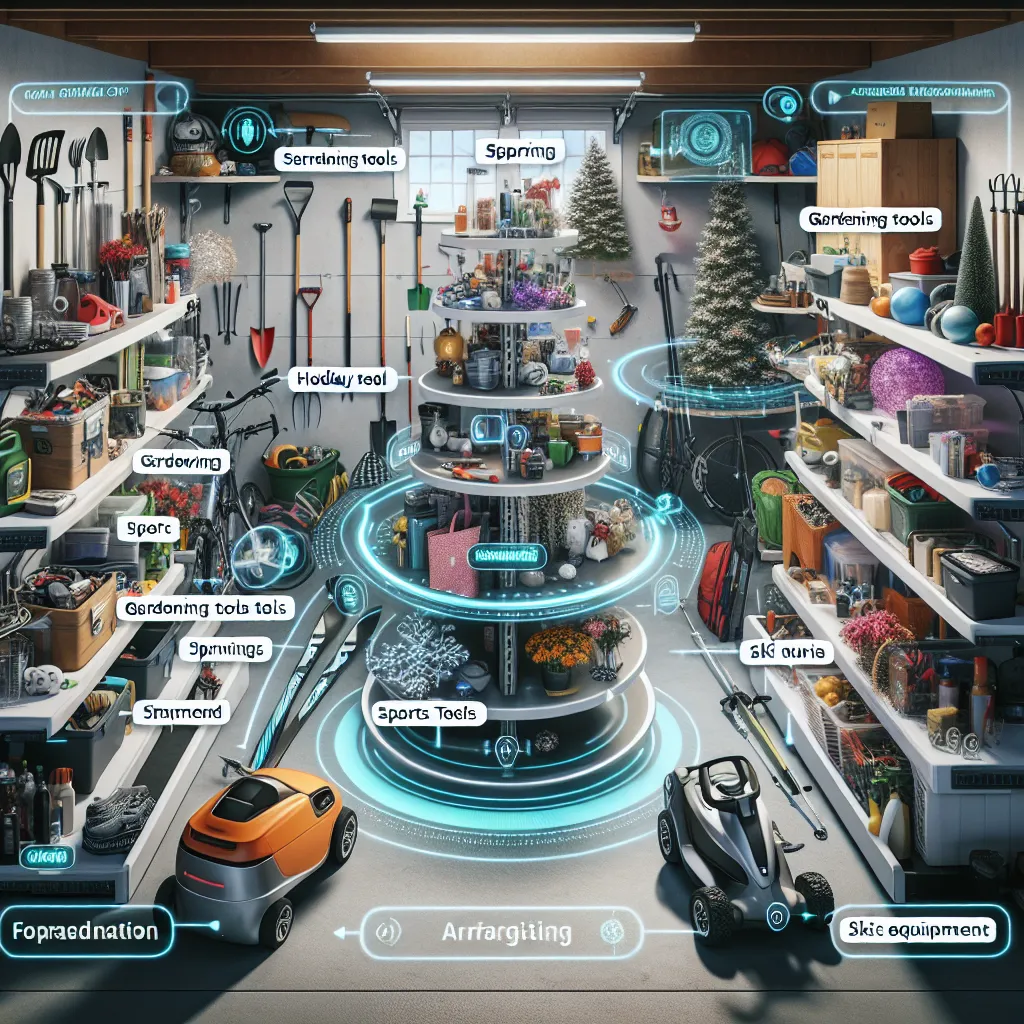
Garages often become dumping grounds with no system. Finding gear—seasonal tools, holiday decorations, sports equipment—is a pain. GarageMind is a smart shelving system with motorized racks and item tagging. As you use gear, the system observes patterns and slowly reshuffles to optimize access. No more overhauls or labeling; just gradual improvement. Why now? DIY and smart home upgrades are trending, and many homes have underutilized garage space. Example: If you pull out gardening tools often in spring, they get rotated forward; ski gear slowly recedes until winter.
Description
No additional description provided.
The Pitch
Garages are often neglected spaces in a home, turning into cluttered areas where items are stored haphazardly. Many homeowners struggle to find tools, decorations, or sports equipment when needed because everything is stored without any logical system. This disorganization can lead to frustration and underutilization of valuable space.
The problem is that garages become chaotic due to the lack of an efficient storage system. This chaos makes it challenging for homeowners to access their gear easily, especially during seasonal changes. Traditional organizing methods require time-consuming overhauls or detailed labeling, which most people are reluctant to do.
Introducing GarageMind, an innovative smart shelving system that addresses this problem. GarageMind features motorized racks and a tagging system for items. As you use your gear, the system learns your usage patterns and automatically rearranges the shelves to optimize access over time. This gradual reshuffling eliminates the need for complete overhauls or complex labeling systems. For example, if gardening tools are frequently used in the spring, GarageMind will move them to the front, while ski gear will transition to a more accessible spot as winter approaches.
Given the current trends in DIY projects and smart home upgrades, there is a growing interest in improving underutilized spaces like garages. GarageMind taps into this trend by offering a solution that not only organizes but also enhances the functionality of the garage through smart technology.
Building this product involves developing both hardware and software components. The hardware includes motorized racks and a reliable mechanism for moving them, while the software encompasses a machine learning algorithm to track item usage and optimize shelf arrangement. To rapidly prototype and launch GarageMind as a Minimum Viable Product, tools like Arduino for prototyping the electronics and TensorFlow for implementing machine learning can be utilized. For mobile applications to interface with GarageMind, platforms like React Native could be employed to ensure cross-platform compatibility.
The go-to-market strategy for GarageMind should focus on early adopters of smart home technology and DIY enthusiasts. Partnering with home improvement retailers and smart home forums or online communities can help create awareness. Demonstrations or installations at home improvement expos could effectively showcase its capabilities.
From a business model perspective, GarageMind could implement a direct-to-consumer approach along with strategic partnerships with garage organization specialists and smart home integrators. Initial sales can focus on a subscription model, offering periodic updates and enhancements to the machine learning software for continuous optimization. Additionally, offering various hardware configurations could cater to different garage sizes and layouts.
Overall, GarageMind offers a seamless and intelligent way to enhance the efficiency of garage storage, providing users with a stress-free way to maintain organization and maximize the utility of their space.