Smart Safety Glasses for Night Construction
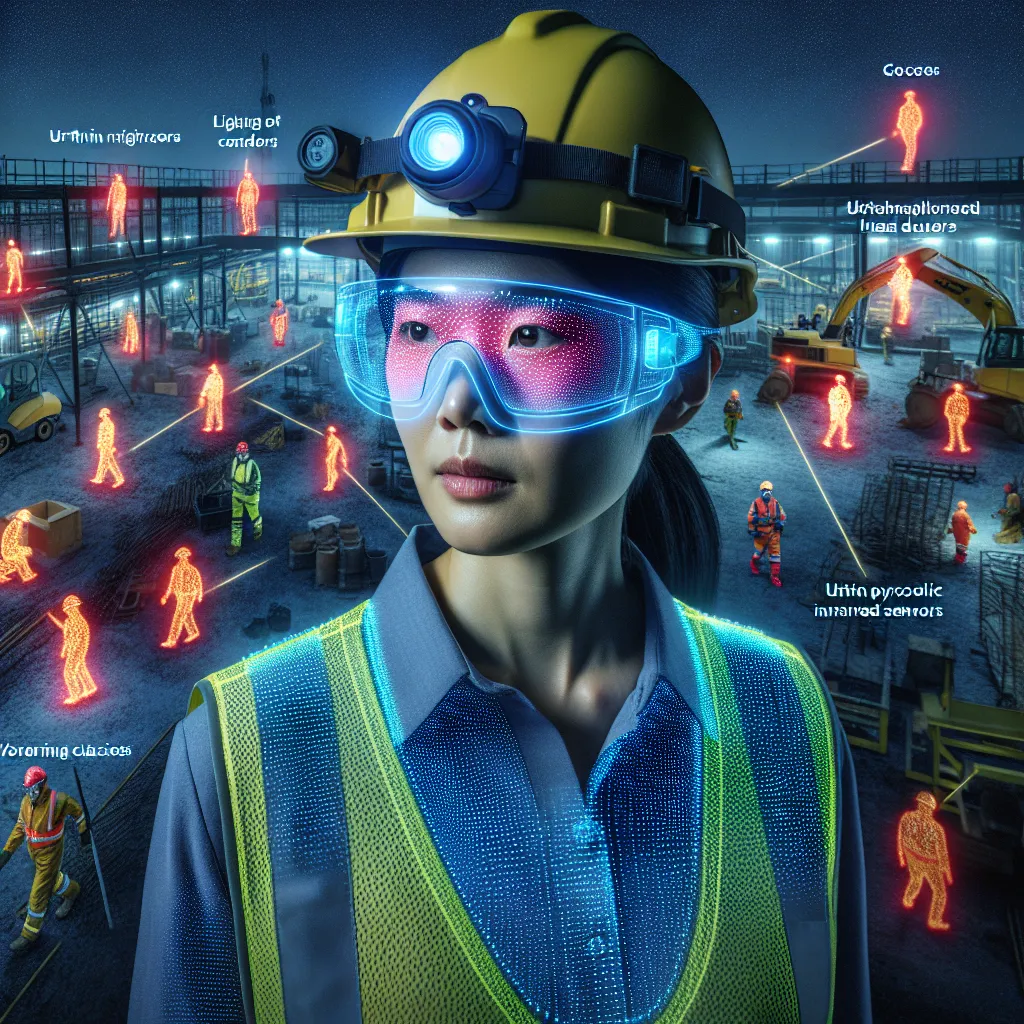
Construction work doesn’t stop when the sun sets, but current safety gear doesn’t adapt well to low-light conditions. Workers rely on headlamps or spotty lighting, and traditional night-vision goggles are too heavy, expensive, and impractical. With the advent of ultrathin, uncooled pyroelectric infrared sensors, there’s now an opportunity to integrate lightweight thermal vision directly into safety glasses. This enables workers to detect heat signatures from moving machinery, colleagues, or overheated tools—even in total darkness. As labor safety regulations grow stricter and night shifts remain essential, these glasses offer real-time hazard detection at scale, helping crews operate safer and smarter without adding bulk.
Description
No additional description provided.
The Pitch
Construction sites are bustling with activity around the clock, and with night shifts becoming increasingly common, safety during these hours is paramount. However, current safety measures are often insufficient for low-light conditions. Workers typically rely on headlamps or inconsistent external lighting, while traditional night-vision goggles are often bulky, expensive, and not tailored to the quick-response needs of a construction site.
Backstory
The construction industry faces unique challenges, with workers required to operate heavy machinery and navigate complex environments at all hours. As safety regulations intensify, the demand for innovative approaches to enhance worker safety, especially in limited visibility conditions, has never been greater. New technology now provides an opportunity to fill this gap with advanced solutions.
Problem
While headlamps and portable lighting are common night-time safety measures, they come with limitations such as reduced peripheral awareness and reliance on battery life. Standard night-vision goggles, while effective, are unsuitable for construction due to their weight and cost. There is a significant need for a more practical, efficient, and sustainable solution that enhances safety without imposing additional burdens on workers.
Solution
The development of a lightweight, practical solution is possible with recent advances in ultrathin, uncooled pyroelectric infrared sensors. Integrating thermal vision technology into safety glasses can transform night-shift construction work by providing real-time detection of heat signatures from moving machinery, colleagues, and overheating tools. This approach offers a revolutionary way to monitor potential hazards in real-time, without the drawbacks of current equipment.
Product Details
These thermal vision safety glasses combine cutting-edge pyroelectric sensor technology with ergonomic design to ensure comfort and usability. Key features include:
- Lightweight design to minimize fatigue during long shifts. - Clear thermal vision display integrated directly into the lenses. - Real-time temperature variance alerts to detect overheating machinery or equipment. - Adjustable settings for different work environments and conditions. - Rechargeable battery with extended life to ensure durability through multiple shifts.
Tools and Technology
Developing this product as a Minimum Viable Product (MVP) would involve leveraging existing infrared sensor technology and combining it with a durable, ergonomic eyewear framework. Collaborations with tech firms specializing in sensor miniaturization and augmented reality displays can accelerate development. Prototyping tools such as 3D printing and rapid software iteration platforms can shorten the product development cycle.
Go-to-Market (GTM) Strategy
The GTM strategy should focus on targeting construction companies and safety equipment suppliers. Key elements of this strategy include:
- Partnering with construction firms to conduct pilot programs and gather real-world feedback. - Leveraging industry conferences and safety trade shows for product demonstrations. - Building relationships with regulatory bodies to ensure compliance and potentially influence future safety standards.
Business Model
Adopting a B2B approach, the primary source of revenue will come from direct sales to construction firms, supplemented by partnerships with safety equipment retailers. Offering subscription-based maintenance and software upgrade services can provide an additional revenue stream. Develop a leasing option for smaller firms or contractors to lower the entry barrier.
Conclusion
Integrating thermal vision technology into safety glasses presents a transformative opportunity for night-time safety in construction. By addressing the limitations of current safety equipment, this innovation not only enhances safety and operational efficiency but also aligns with the growing demand for regulatory compliance and worker protection.