Smart Retrofit HVAC with Airflow Control
A retrofit HVAC system that uses inflatable bladders inside vents to dynamically open/close airflow room by room. The problem: most homes heat or cool the whole house, even though you’re only in a couple rooms, and traditional zoning is expensive, clunky, and not universal across weird vent sizes. The solution: a low-profile device you shove into each vent—basically a durable air bladder plus a tiny fan/compressor and a wireless controller. When you’re not using a room, the bladder inflates and fully blocks that vent; when you are, it deflates and lets air flow. Presence is detected via motion, your phone’s proximity, or existing smart-home signals (Wi-Fi, lights, etc.), so the system learns your patterns: bedrooms at night, office by day, guest room almost never. Why now: smart thermostats proved people will let software run their comfort in exchange for savings, and utilities already subsidize efficiency hardware. Example: your system realizes you haven’t been in the guest room in days, automatically closes those vents, and your heating bill drops while your living room stays perfectly cozy.
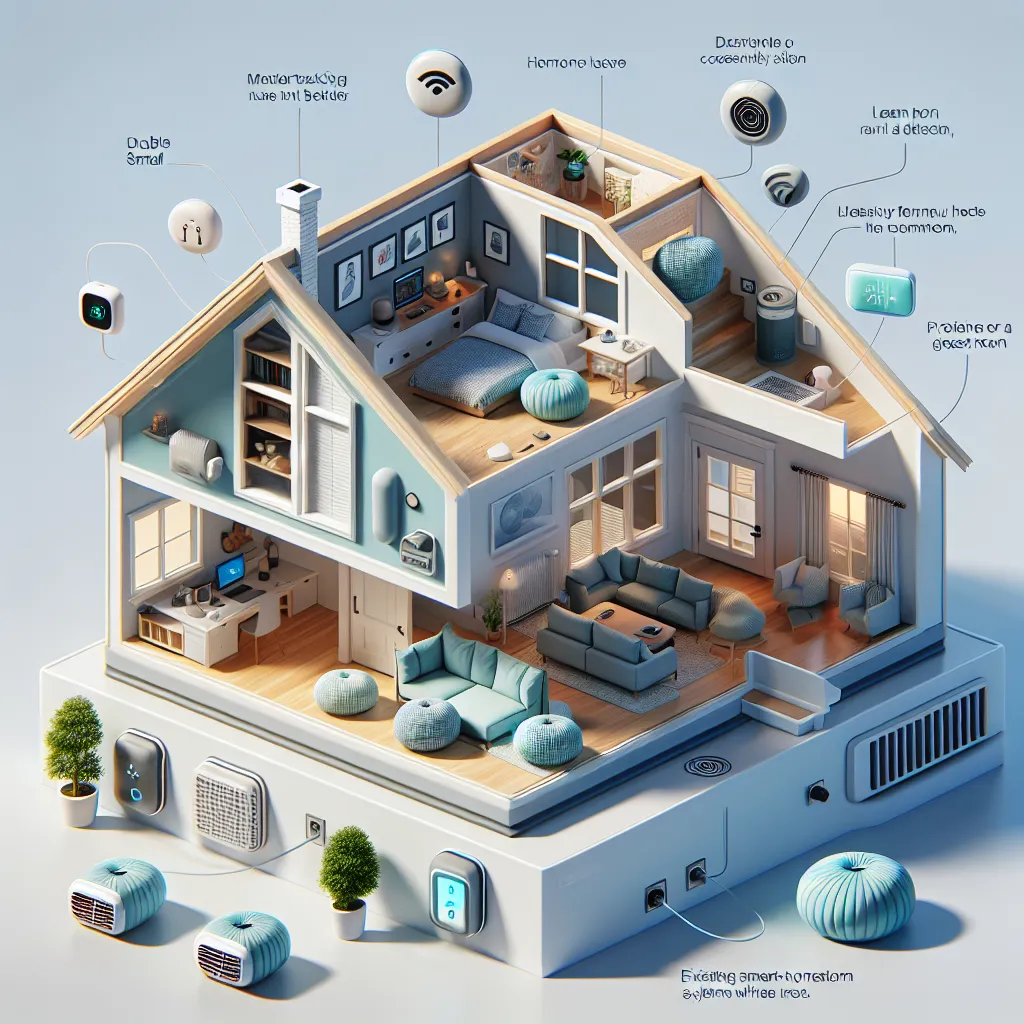
Description
No additional description provided.
The Pitch
Home climate control systems have long struggled with inefficiency, primarily because they are tasked with heating or cooling entire buildings rather than individual rooms. Conventional systems distribute air indiscriminately, leading to higher energy consumption and increased utility bills, especially when unoccupied rooms are unnecessarily heated or cooled. The introduction of zoning systems was an attempt to address this problem, but their adoption has been hindered by high installation costs, the complexity of use, and incompatibility with non-standard vent sizes.
**Innovative Solution**
We propose a transformative solution—a retrofit HVAC system that incorporates inflatable bladders positioned inside air vents to manage airflow on a room-by-room basis. This system, comprising a robust air bladder, a compact fan/compressor, and a wireless controller, enables selective control of heating and cooling. When a room is unoccupied, the bladder inflates to block airflow; when occupied, it deflates to permit air circulation. The system uses presence detection methods, such as motion sensors, smartphone proximity, and integration with existing smart home signals like Wi-Fi and lighting, to learn and adapt to inhabitants' patterns. This approach makes it a highly personalized and efficient system that optimizes energy usage and enhances comfort.
**Product Details**
1. **Components**: - Durable air bladder - Mini fan/compressor - Wireless controller
2. **Functionalities**: - Automated presence detection - Integration with existing smart home devices - User-friendly interface via mobile app - Adaptation to varied vent sizes
3. **Implementation**: - Easily installed in existing vents without the need for structural modifications - Scalable across different types and sizes of homes
**Tools for MVP Development**
To bring this concept to life, the following tools and strategies can streamline the development of a Minimum Viable Product (MVP):
- **Hardware Prototyping**: Use microcontroller platforms like Arduino or Raspberry Pi for initial prototypes. - **Software Development**: Develop a mobile application for user interaction using platforms like React Native. - **Sensor Technology**: Implement motion sensors and proximity detectors for real-time presence tracking. - **Cloud Infrastructure**: Utilize AWS or Google Cloud for backend support and data processing. - **3D Printing**: Create custom vent adapters and airflow components for various vent sizes.
**Go-To-Market Strategy**
1. **Market Segmentation**: Target homeowners with existing HVAC systems, particularly those conscious of energy savings and smart home technology enthusiasts.
2. **Partnerships**: Collaborate with utility companies offering subsidies for energy-efficient products, as well as with smart thermostat manufacturers.
3. **Pilot Programs**: Implement pilot projects in select regions to gather data, refine the product, and demonstrate the value proposition.
4. **Education and Outreach**: Conduct workshops and webinars highlighting energy savings and environmental benefits.
5. **Digital Marketing**: Leverage social media platforms and content marketing to reach potential users who are seeking innovative home solutions.
**Business Model**
Adopt a direct-to-consumer sales model, complimented by partnerships with HVAC service providers for installation support. Offer the system through an initial purchase with future plans for subscription-based services for software updates and enhanced features.
As smart home technology becomes increasingly integrated into everyday lives, this retrofit HVAC system represents a paradigm shift in climate control, delivering targeted comfort with minimized energy consumption. Its time has undoubtedly arrived.