Smart Refill Agents Optimize Household Supplies
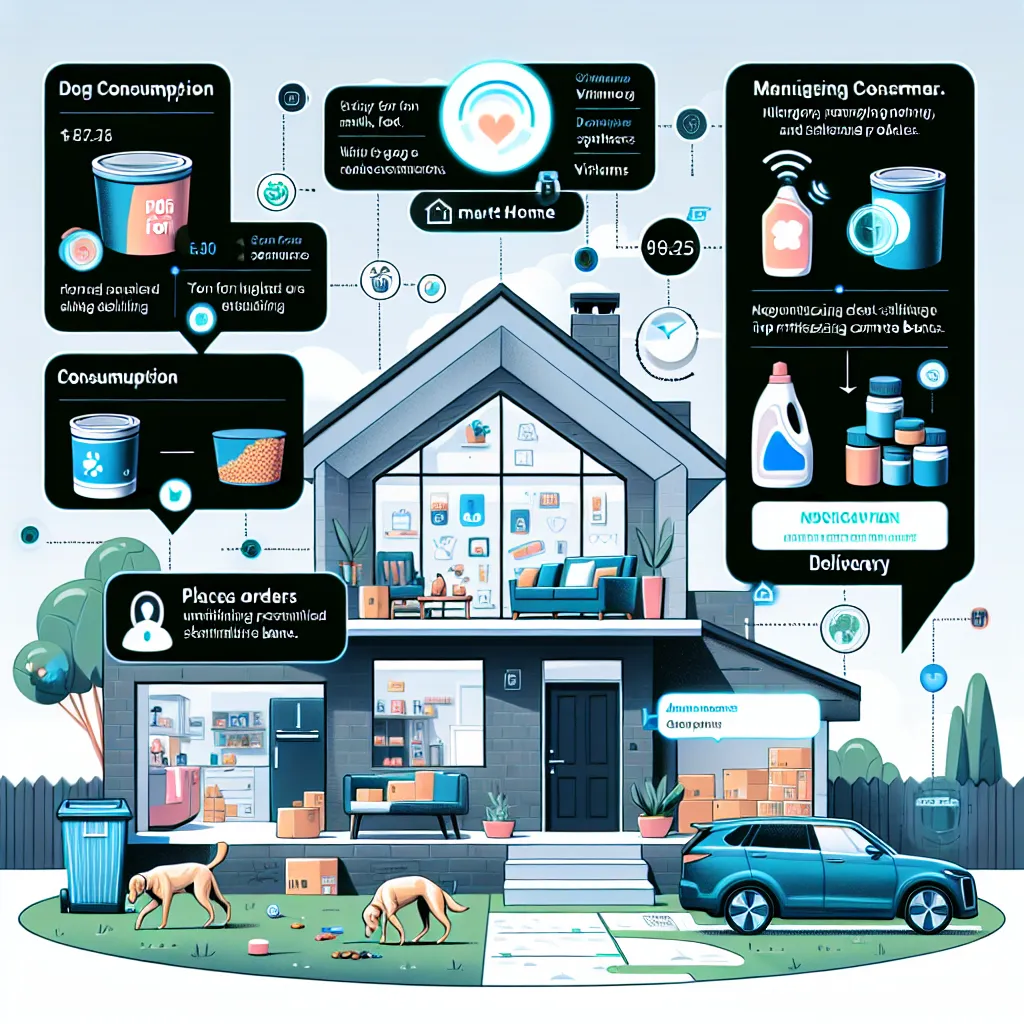
Households constantly juggle reorders—dog food, vitamins, diapers, skincare. Subscriptions exist, but they’re dumb: rigid intervals, no negotiation, and no awareness of real usage. The pain is real—too many boxes pile up, or you run out early. The fix is agentic replenishment agents—systems that monitor consumption, predict need, and negotiate optimal refills across merchants. Unlike Amazon Subscribe & Save, these agents are proactive and adaptive. Why now? Because agents can transact and ACP gives them direct merchant pipes, enabling dynamic reordering across ecosystems. Example: your “home agent” sees via a connected trash can sensor that your detergent bottle is nearly empty. It negotiates the best refill price across multiple sellers, suggests eco-friendly brands if you care, and schedules delivery before you run out. The user doesn’t manage subscriptions; the agent manages life. This is the missing intelligence layer between IoT signals and commerce rails
Description
No additional description provided.
The Pitch
In today's fast-paced world, household management often includes the arduous task of managing the constant cycle of reordering essential items like dog food, vitamins, and skincare products. While subscription services aim to alleviate this burden, they often fall short due to their rigid nature, lack of customization, and inability to adapt to real-time consumption patterns. The result: an overflow of products in some instances and unexpected shortages in others. This document explores an innovative solution to this prevalent issue through the development of agentic replenishment agents.
The Problem: Many households today face the inconvenience of either stockpiling unnecessary products or running out of essential items due to the rigid nature of traditional subscription models. These models operate on fixed intervals and do not account for variations in product usage, leading to inefficiencies and frustrations for the consumer. Moreover, the lack of smart negotiation capabilities and adaptability means that consumers are often stuck with one vendor, potentially missing out on better deals or more suitable products elsewhere.
The Solution: Agentic replenishment agents present a transformative solution to the traditional subscription model by introducing smart systems capable of monitoring product consumption, predicting when refills are necessary, and negotiating optimal purchasing terms across multiple vendors. Unlike conventional subscription services, these intelligent agents are proactive and adaptive, responding to the dynamic needs of a household by leveraging data from connected devices.
Product Details: Agentic replenishment agents work by interfacing with Internet of Things (IoT) devices within the home, such as smart trash cans or weight sensors embedded in product packaging. These agents continuously monitor usage data to gauge consumption rates. For example, when a trash can sensor detects that a detergent bottle is nearing empty, the agent springs into action.
Key features of the agentic replenishment system include:
1. Intelligent Monitoring: Continuous tracking of product usage through IoT devices. 2. Predictive Analytics: Algorithms that forecast when a product will run out, ensuring timely replenishment. 3. Negotiation Capability: Ability to compare prices and negotiate deals across multiple merchants. 4. Personalization: Option to customize preferences, such as opting for eco-friendly or cost-effective alternatives. 5. Automated Management: Autonomous handling of orders and deliveries, freeing users from manual oversight.
Tools to Build and Launch an MVP: Entrepreneurs interested in developing this solution can leverage several tools and technologies to create a viable MVP:
1. IoT Sensors: Integrate smart sensors into household products for real-time usage tracking. 2. Data Analytics Platforms: Utilize predictive analytics tools to analyze consumption patterns and forecast needs. 3. E-Commerce Integrations: Develop APIs to connect with various merchants for price comparisons and negotiations. 4. Machine Learning: Implement machine learning algorithms to continuously improve predictive accuracy and user preferences. 5. User Interface Design: Create a simple and intuitive app interface for users to input preferences and receive notifications.
Go-To-Market (GTM) Strategy: 1. Target Early Adopters: Focus on tech-savvy consumers and households that already use smart devices. 2. Partnerships: Collaborate with IoT device manufacturers, e-commerce platforms, and eco-friendly brands. 3. Pilot Programs: Launch pilot programs in selected cities to gather consumer feedback and refine the product. 4. Educational Campaigns: Run campaigns to educate consumers about the benefits and functionality of agentic replenishment. 5. Viral Growth: Encourage word-of-mouth marketing by showcasing testimonials and success stories from early users.
Business Model: The business model for agentic replenishment agents can be built around a subscription-based service with tiered pricing. Subscription tiers might include basic monitoring and replenishment services, with premium tiers offering advanced features like personalized recommendations, extended merchant access, and eco-friendly suggestions. Additionally, the platform could earn revenue through affiliate partnerships, earning commissions from merchants per completed transaction.
Conclusion: Agentic replenishment agents hold the potential to redefine how households manage their everyday consumables, freeing consumers from the stress of manual restocking and leveraging technology for efficient and sustainable living. By bridging the gap between IoT signals and commerce, these intelligent systems provide a much-needed evolution in household management, paving the way for a more convenient and adaptive future.