Smart Packaging Revolutionizes Food Freshness Detection
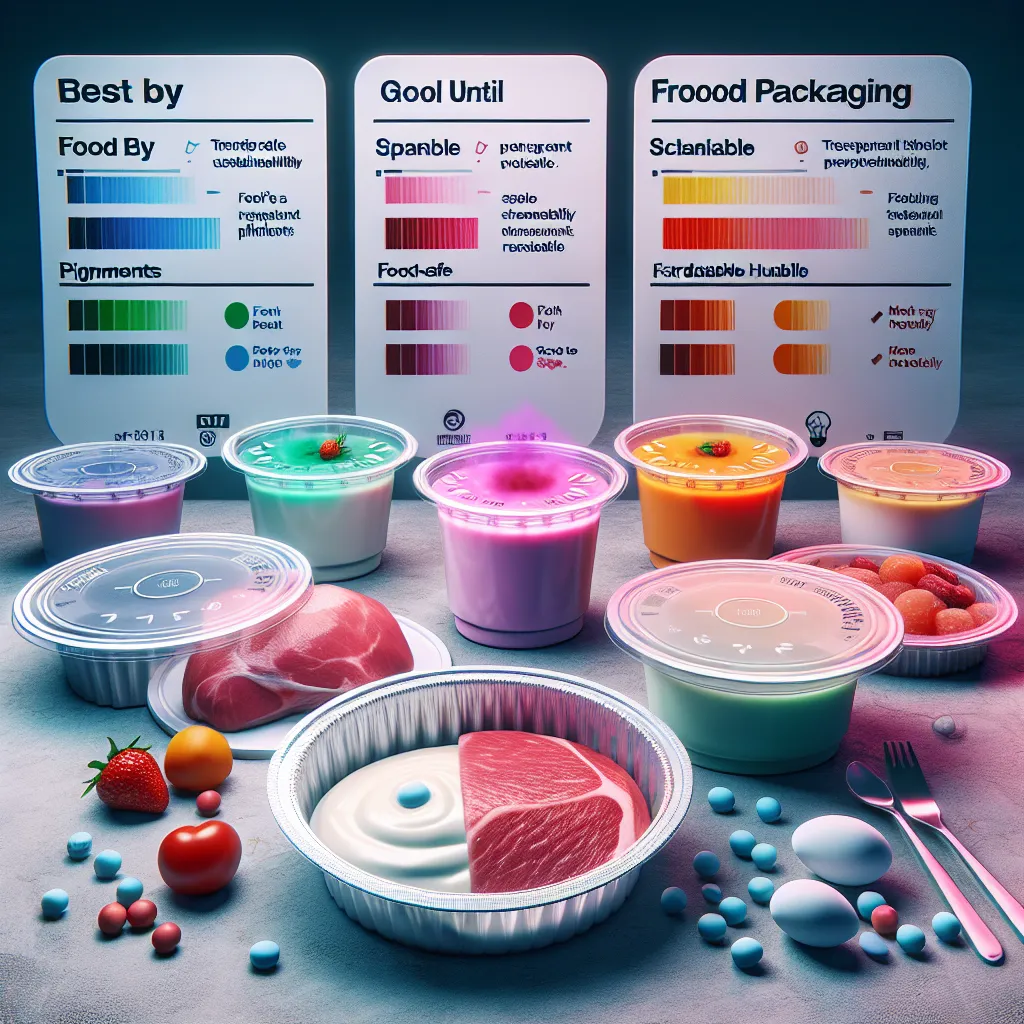
Expiration dates lie. Some food spoils early; some lasts longer. The result? $400B in food waste annually. With xanthommatin’s reactive color properties, packaging could change hue as CO₂, ammonia, or microbial gases increase—revealing freshness in real time. UCSD’s breakthrough finally makes bio-reactive pigments scalable, food-safe, and affordable. Imagine yogurt lids that blush when spoiled or meat trays that signal “safe to eat.” Why now: supply chains are finally embedding sensors, and the world’s shifting toward transparent sustainability. “Best by” becomes “good until”—a revolution in trust and waste reduction.
Description
No additional description provided.
The Pitch
Expiration dates on food products have long been a source of confusion and waste. These dates often do not accurately reflect the freshness of the food, leading to billions of dollars in food waste annually. This problem is not only economic but also environmental, as it contributes significantly to landfill and resource depletion.
There is an innovative solution to this issue, inspired by recent advancements in biotechnology. Xanthommatin, a pigment known for its reactive color properties, offers a promising approach to this problem. It reacts with gases like CO₂, ammonia, or microbial emissions, which are indicators of food spoilage. This feature can be harnessed to create packaging that changes color in response to the freshness of the food inside.
Researchers at the University of California, San Diego (UCSD) have made a breakthrough by making bio-reactive pigments like xanthommatin scalable, food-safe, and affordable. This advancement paves the way for practical applications, such as yogurt lids that change color when the product goes bad, or meat packaging that signals when the contents remain safe to eat.
The timing for this innovation is perfect. Supply chains are increasingly embedding sensor technologies, and there is a global shift toward sustainable practices and transparency. Consumers and industries alike demand better trust systems for food quality, and traditional best by dates are gradually giving way to dynamic, real-time freshness indicators.
To develop and launch this technology as a Minimum Viable Product (MVP), consider the following steps:
1. **Product Development**: Collaborate with experts in biotechnology and material science to integrate xanthommatin into packaging materials. Conduct testing and ensure compliance with food safety standards.
2. **Tools**: Use platforms like CAD for designing packaging, and leverage cloud-based software for tracking real-time data on food freshness.
3. **Launch Strategy**: Initiate partnerships with select food brands to pilot the product. Use these partnerships as case studies to demonstrate the efficacy and reliability of the packaging.
4. **Go-to-Market Strategy (GTM)**: Focus on sustainability-minded brands and large retailers seeking innovative solutions to reduce food waste. Implement a dual pronged GTM approach—direct sales to manufacturers and co-branding opportunities with retailers.
5. **Business Model**: Consider a licensing model where food manufacturers or packagers pay a fee to incorporate this technology into their products. Additionally, explore opportunities for recurring revenue through maintenance of sensor-integrated packaging solutions.
This innovation has the potential to revolutionize the way food freshness is managed and communicated. By offering a dynamic alternative to static expiration dates, it can significantly reduce food waste, enhance consumer trust, and contribute to more sustainable consumption practices worldwide.