Smart Packaging Mimics Plants for Less Waste
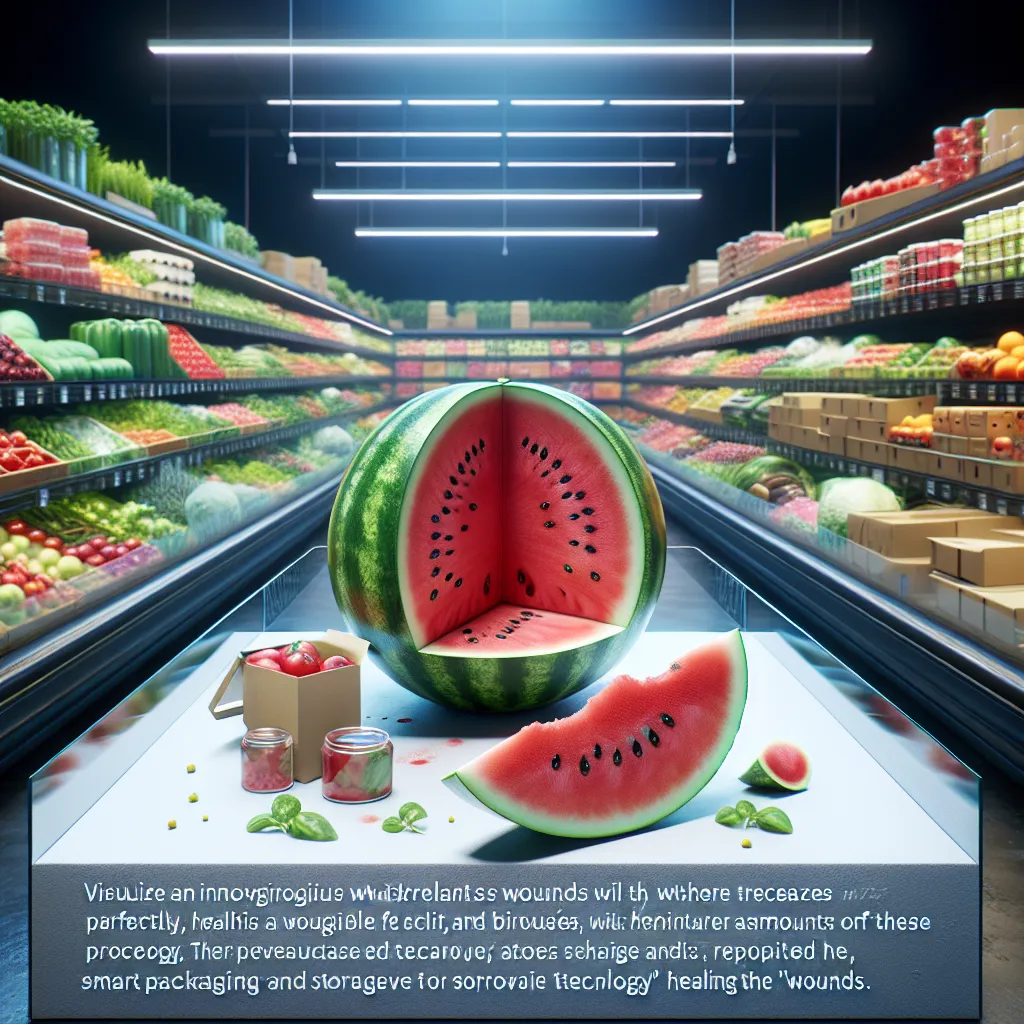
When fruits or vegetables get cuts or bruises during farming or shipping, they spoil faster and go bad. This leads to a lot of wasted food. Scientists just learned that plants naturally heal these wounds using special gases—ethylene and oxygen. What if we copied that? We could make smart packaging or storage rooms that release tiny amounts of these gases to help fruits and veggies heal their wounds after getting picked. It would be like a first-aid kit for apples or lettuce! Now is the perfect time because this plant discovery just happened, and food waste is a huge global problem. For example, grocery stores could use this tech to keep cut-up watermelon fresh longer without plastic wrap or preservatives.
Description
No additional description provided.
The Pitch
In an era where sustainability is not just a choice but a necessity, the issue of food waste looms large. Every year, millions of tons of fruits and vegetables are discarded due to spoilage resulting from cuts and bruises incurred during farming, shipping, and handling. This not only impacts the environment significantly but also ends up being a major financial drain on retailers and consumers alike.
Recent scientific discoveries have uncovered a fascinating aspect of plant biology: plants possess an innate ability to heal themselves using naturally occurring gases such as ethylene and oxygen. Imagine harnessing this natural process to extend the life of produce after harvest, effectively decreasing food waste and increasing profitability.
The Concept: Introducing a revolutionary idea—smart packaging or storage solutions that replicate the natural healing processes found in plants. These specially designed systems would release controlled amounts of ethylene and oxygen, aiding in the recovery of fruits and vegetables from minor damages sustained post-harvest. This technology acts as a first-aid kit for fresh produce, allowing it to maintain its quality and freshness for longer periods.
The Opportunity: As awareness of food waste grows, and with this new scientific understanding at our disposal, there is a unique opportunity to develop and launch an innovative product that caters to the needs of retailers, consumers, and the environment. Retailers such as grocery stores and farms, which suffer significant losses due to food spoilage, would greatly benefit from this solution.
Product Details: The proposed product is a multi-functional smart packaging or modified storage room equipped with sensors and micro-dispensers for ethylene and oxygen. Key components include:
1. Integrated sensors to monitor the condition of stored produce. 2. Precise micro-dispensers for controlled release of gases. 3. Real-time monitoring software to adjust gas levels based on the state of the produce, ensuring optimal healing conditions.
Ready-to-launch Tools: To rapidly bring this solution to market, several tools and technologies can be leveraged:
- IoT platforms for sensor integration and real-time data analysis. - Machine learning algorithms to predict spoilage and optimize gas release. - Biodegradable materials for packaging, aligning with sustainability goals.
Go-To-Market Strategy:
1. Target Market: Focus initially on large grocery chains and distribution centers that handle significant volumes of produce. 2. Partnerships: Collaborate with agricultural technology companies and institutions to refine the technology. 3. Pilot Programs: Launch pilot programs with select partners to gather data and feedback. 4. Marketing Campaign: Educate retailers and consumers through awareness campaigns on social media, stressing the simplicity and economic benefits of the technology.
Business Model:
- Subscription Service: Offer a subscription-based model for the software and sensor services, allowing continuous upgrades and data-driven insights. - Sales Revenue: Generate revenue from the sale of the smart packaging materials or storage systems. - Licensing: Explore licensing agreements with packaging manufacturers and distributors, expanding reach and ability to scale quickly.
By aligning cutting-edge scientific discoveries with practical applications, this initiative has the potential to transform the way we handle and preserve fresh produce. Not only does it promise significant reductions in food waste, but it also offers a new frontier of business opportunities in the realms of food technology and sustainability.