Smart Hubs Revolutionize Apartment Living Solutions
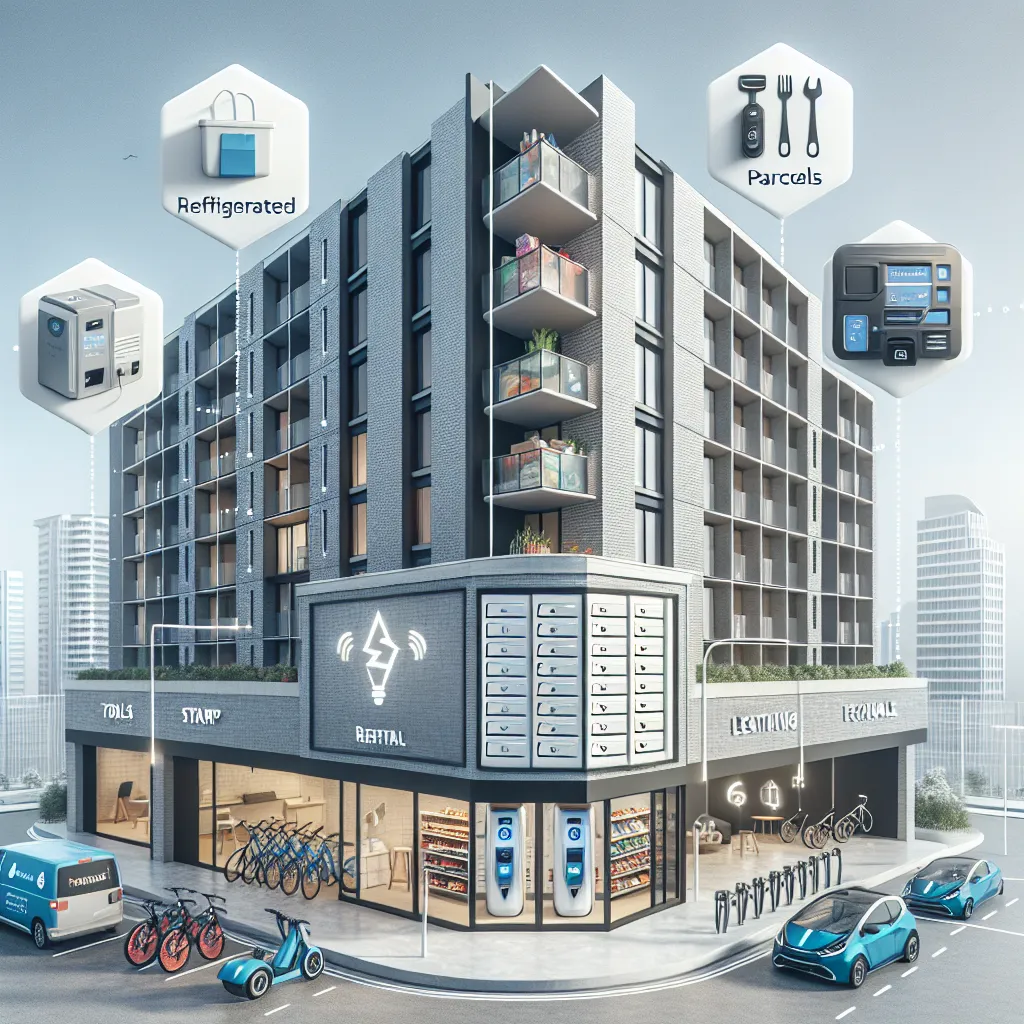
Apartment living solves a lot but leaves daily pain points unsolved — stolen packages, spoiled groceries, dead e-bikes, and no easy way to borrow basic tools. The last 100 feet from delivery truck to apartment door is still broken. A startup could install IoT-powered “smart hubs” in residential buildings, combining refrigerated lockers, EV/bike charging, tool rental, and parcel security into one system managed by an app. The win is distribution: landlords sign once, and the entire building becomes a captive user base, making it hard for Amazon or Walmart to muscle in later. Imagine a Brooklyn apartment where groceries land directly into chilled lockers, residents borrow a drill for the weekend, and couriers drop packages safely in one hub — convenience embedded at the building level.
Description
No additional description provided.
The Pitch
In urban environments, apartment living offers convenience and accessibility, yet it often leaves residents grappling with daily challenges. Common issues such as stolen packages, spoiled groceries, uncharged electric bikes, and the lack of easily accessible basic tools remain largely unsolved. Despite advancements in delivery services, the crucial last stretch from delivery truck to apartment door continues to present hurdles.
Addressing this gap, there is a unique opportunity to develop a multifaceted solution that leverages technology to optimize the urban living experience. The concept involves installing IoT-powered smart hubs in residential buildings. These hubs would integrate refrigerated lockers, electric vehicle and bike charging stations, tool rental services, and secure parcel delivery systems, all managed through a user-friendly app.
**Backstory and Problem Identification**
Urban living is inherently fast-paced and bustling. Although the rise of e-commerce and delivery services has made consumer goods more accessible, the final stages of delivering those goods to apartment dwellers often fall short. Packages are frequently stolen or mishandled, groceries can spoil without timely refrigeration, electric vehicles lack sufficient charging infrastructure, and the basic tools necessary for minor home improvements are rarely at hand. These inefficiencies not only frustrate residents but also present a significant inconvenience in an otherwise connected world.
**Proposed Solution**
The solution involves the installation of smart hubs within apartment buildings. These hubs would serve multiple functions:
- **Refrigerated Lockers:** Ensuring groceries are kept fresh, allowing residents to pick up their items at their convenience. - **EV/Bike Charging Stations:** Providing on-site charging options for electric vehicles and bikes, encouraging sustainable transportation. - **Tool Rental:** Offering a library of basic tools available for short-term rental, reducing the need for residents to purchase seldom-used items. - **Secured Parcel Delivery:** A robust, secure system for package delivery and storage, minimizing the risk of theft or damage.
**Product Details**
The smart hub system would be centrally managed through a mobile app, allowing users to reserve locker space, book charging slots, rent tools, and receive notifications about package deliveries. The app should offer seamless integration with existing e-commerce platforms for direct delivery to lockers and include features such as user authentication and real-time availability tracking.
**Tools for Launching an MVP**
1. **IoT Development Platforms:** Use platforms such as Arduino or Raspberry Pi for prototyping IoT devices. 2. **Mobile App Development:** Leverage frameworks like Flutter or React Native to build cross-platform applications efficiently. 3. **Cloud Services:** Utilize AWS or Google Cloud for backend infrastructure, ensuring scalability and reliable data handling. 4. **3D Printing:** Create functional prototypes of locker systems and tool kits using 3D printing technology.
**Go-to-Market Strategy**
1. **Pilot Programs:** Initiate pilot installations in strategically selected urban areas where issues like package theft and transportation challenges are most prevalent. 2. **Partnerships with Property Managers:** Collaborate with residential property managers and developers to facilitate system adoption across multiple buildings. 3. **Targeted Advertising:** Employ digital marketing strategies focused on metropolitan regions, highlighting the convenience and security offered by the smart hub system. 4. **User Education and Engagement:** Invest in resident training and information sessions to ensure smooth integration and user familiarity with the system.
**Business Model**
The business model would primarily be B2B2C, targeting building owners and property management companies who oversee large residential complexes. Revenue can be generated through:
- **Subscription Fees:** A monthly subscription for buildings to use the smart hub service. - **Service Commissions:** Charge transaction fees for each successful delivery, tool rental, or charging session. - **Advertising Opportunities:** Include options for localized advertisements within the app, offering personalized promotions from local businesses.
By combining innovation, convenience, and security, this smart hub solution positions itself as a game-changer for urban apartment living, transforming how residents interact with their environments and enhancing overall quality of life. Through strategic partnerships and robust technology, this venture can capture a significant portion of the urban living market, providing a sustainable solution to persistent daily challenges.