Smart Grid Negotiation Co-ops
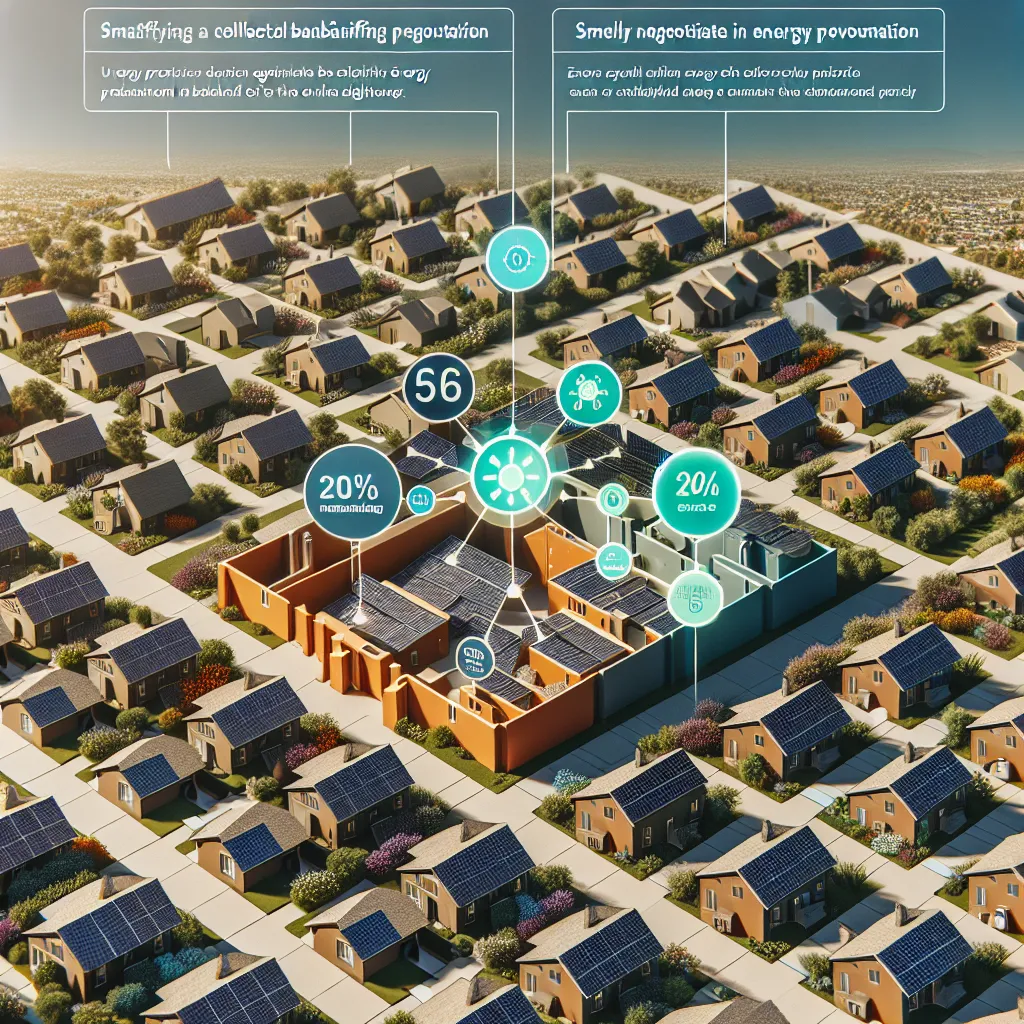
Rooftop solar is booming, yet homeowners still sell excess energy back to the grid at fixed, unfavorable rates. They have no leverage. Meanwhile, utilities hold pricing power, creating a structural imbalance. The solution is a digital platform that aggregates energy production data from entire neighborhoods and negotiates as a “power union,” using smart contracts and pricing analytics. This allows communities to demand better rates, timing, or storage deals. The trend: distributed generation is rising fast, and collective bargaining tools (like farmer co-ops or unionized gig platforms) are being reinvented for energy. Picture a group of 60 homes in Phoenix with solar panels—they join the co-op, and the system optimizes their collective bargaining, winning a 20% increase in sell-back prices over the default utility plan. This gives power—literally and financially—back to the people.
Description
No additional description provided.
The Pitch
Rooftop solar adoption is on the rise as homeowners increasingly seek renewable energy solutions to reduce their carbon footprint and lower electricity bills. However, even as these individual home systems become more prevalent, a significant challenge remains: homeowners are often at a disadvantage when it comes to selling their excess solar energy back to the grid. Typically, they are subjected to fixed rates that may not reflect the true value of their contributions to the energy ecosystem, leaving them without leverage, while utilities maintain control and pricing power.
Identifying this imbalance unveils a promising opportunity to empower these solar energy producers. The concept is the creation of a digital platform that serves as an energy collective or “power union.” This platform aggregates energy production data from entire neighborhoods or communities, leveraging the combined output to negotiate better terms with utilities. By employing smart contracts and advanced pricing analytics, the platform facilitates more favorable rates, sell-back timing, or storage arrangements.
The solution draws inspiration from established collective bargaining models, such as agricultural co-ops or modern gig economy platforms, reimagining them in the context of energy distribution. This approach aligns with the broader trend of distributed energy generation, where local and decentralized solutions are becoming increasingly viable and necessary.
Consider a situation involving a community of 60 homes equipped with solar panels in a sun-rich area like Phoenix. When these homes join a cooperative network through the platform, their aggregated energy data provides substantial bargaining power. As a result, the collective can achieve a 20% increase in the rates at which they sell excess energy compared to standard utility offers. This shift not only translates into higher financial returns for the homeowners but also redistributes power, both literally and metaphorically, back to the individuals.
For those interested in building this solution, here are some key considerations:
1. Product Details: - Develop a secure digital platform that collects and aggregates energy production data. - Incorporate smart contract functionality to automatically manage energy transactions. - Integrate real-time pricing analytics to identify optimal selling opportunities. - Ensure the platform is user-friendly, allowing easy onboarding for homeowners.
2. Tools for MVP Launch: - Use cloud-based solutions like AWS or Google Cloud for scalability. - Blockchain frameworks such as Ethereum or Solana for smart contract deployment. - Data analytics platforms like Tableau or Power BI for real-time insights. - Mobile and web development tools, such as React Native or Flutter, for creating user interfaces.
3. Go-to-Market Strategy: - Target solar-dense regions with high potential for community buy-in. - Form partnerships with local solar installers and green energy advocacy groups. - Implement an educational campaign to inform potential users about the benefits. - Pilot the platform with small communities before scaling up to larger neighborhoods.
4. Business Model: - Subscription-based model where users pay a monthly fee for access to the platform's benefits. - A commission on the increased profits achieved through better-negotiated rates. - Offer premium features, such as personalized energy storage solutions or advanced analytics, at an additional cost.
The digital platform not only addresses the inefficiencies facing individual solar energy producers but also capitalizes on the collective power of communities. By doing so, it democratizes energy management and ensures that the benefits of renewable energy are fairly distributed among those who contribute to its generation.