Smart Gardening Assistant: AI for Backyard Growers
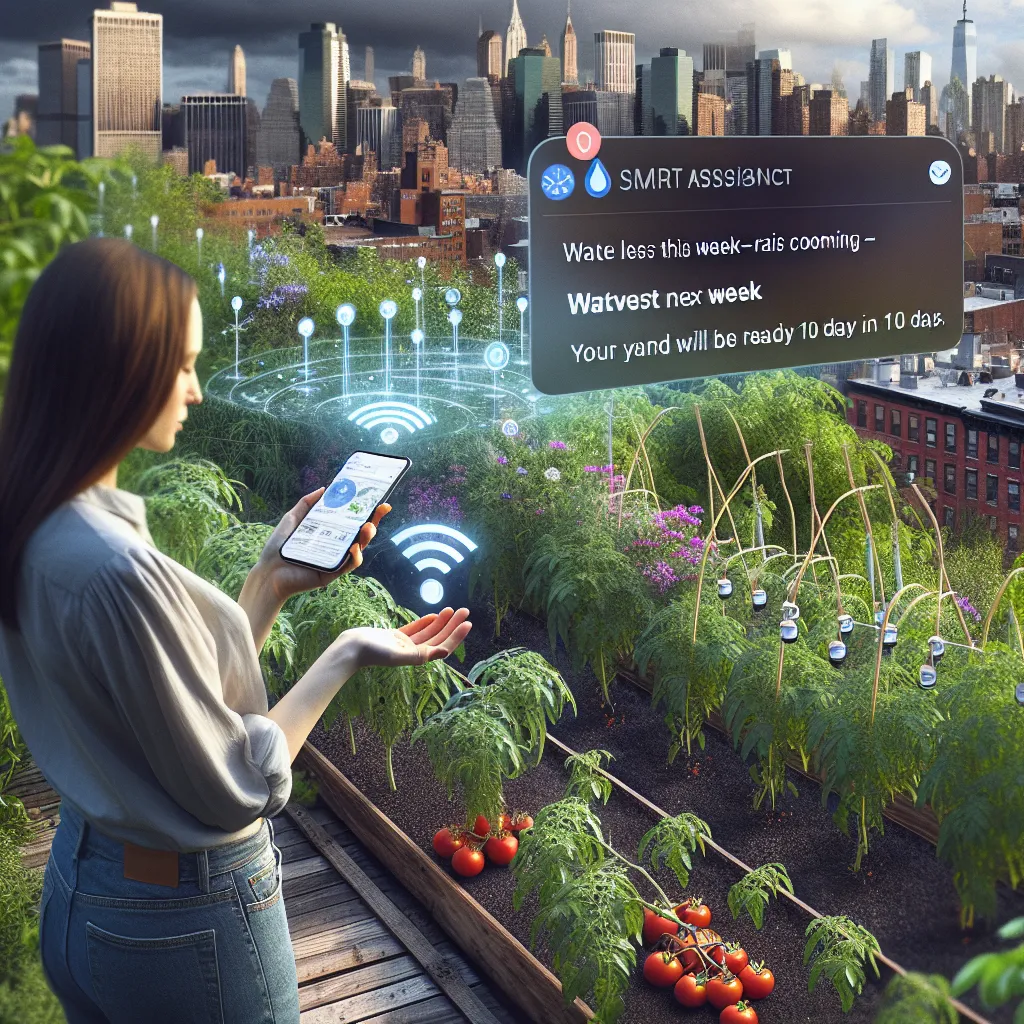
Small-scale growers and hobbyist gardeners are still guessing when to water, harvest, or prune their plants—while industrial farms now use advanced AI and robotics to optimize crop cycles. There’s no user-friendly platform to bring this power to backyard growers. A smart assistant that connects to simple soil sensors and uses AI to deliver actionable tasks (water now, harvest next week, here’s what’s wrong with your basil) would democratize food production. For example, a rooftop gardener in Brooklyn growing tomatoes could get a weekly email: “Water less this week—rain is coming. Your yield will be ready in 10 days.” It’s like a farm OS for the everyday grower.
Description
No additional description provided.
The Pitch
In recent years, technology has significantly transformed large-scale agriculture, employing advanced AI and robotics to optimize crop cycles. However, the everyday small-scale growers and hobbyist gardeners continue to rely on intuition and guesswork when it comes to tasks such as watering, harvesting, or pruning their plants. Despite advancements in agricultural technology, there remains a lack of user-friendly platforms designed to provide similar insights to non-commercial growers. This gap in the market presents an opportunity to develop a smart gardening assistant that democratizes access to sophisticated agricultural insights.
**Problem Statement**
Small-scale and hobbyist gardeners often face challenges in effectively managing their plants. They lack precise knowledge about optimal watering schedules, harvest times, and plant health. This often results in either underperformance of their gardens or in some cases, the complete failure of their plants. The absence of an intuitive tool that provides personalized, real-time gardening advice means these growers miss out on benefits that larger industrial farms gain from modern technology.
**Solution Overview**
The proposed solution is a smart gardening assistant designed to assist small-scale growers by providing them with real-time, actionable insights. By connecting simple soil sensors to an AI-driven platform, users receive timely advice on tasks such as watering schedules, expected harvest times, and plant health diagnostics. For instance, a rooftop gardener in Brooklyn could receive a weekly notification: “Water less this week—rain is coming. Your yield will be ready in 10 days.” This approach leverages technology to make gardening more accessible and rewarding for everyone.
**Product Details**
The core components of the smart gardening assistant include:
1. Soil Sensors: Affordable and easy-to-install sensors that measure soil moisture, temperature, and nutrient levels. 2. AI-Driven Platform: An intuitive application that processes data from the sensors and leverages weather forecasts and plant growth models to provide actionable insights. 3. User Interface: A user-friendly app, accessible via smartphones or computers, offering notifications, insights, and historical data analysis. 4. Support and Community: An online platform where growers can exchange tips and seek advice, fostering a community of informed gardeners.
**Tools for MVP Launch**
- Arduino or Raspberry Pi: For developing cost-effective soil sensor prototypes. - TensorFlow Lite: For running lightweight AI models that can process sensor data and predict plant needs. - Firebase or AWS: For backend support, enabling cloud storage and real-time data processing. - React Native: To develop a cross-platform app for both Android and iOS devices.
**Go-to-Market Strategy**
1. Initial Target Audience: Urban gardeners, rooftop growers, and community gardening groups in regions with varying climates. 2. Partnerships: Collaborate with gardening clubs, urban farming organizations, and local influencers to promote the product. 3. Digital Marketing: Use social media platforms, gardening blogs, and forums to generate buzz and awareness. 4. Pilot Program: Launch a pilot program with local gardening communities to gather feedback and refine the product.
**Business Model**
- Freemium Model: Offer basic functionality for free while providing premium features, such as advanced plant analytics or personalized gardening plans, through subscription plans. - Hardware Sales: Generate revenue through the sale of soil sensor kits. - Data Services for Research: Partner with agricultural research institutions for data-sharing agreements to support further research in plant cultivation patterns.
In providing this smart gardening assistant, the goal is to empower small-scale growers with the tools they need to maximize their gardening success, thereby making sustainable, home-grown produce a more accessible option for everyone.