Smart Device Enhances Medication Adherence for Chronic Illness
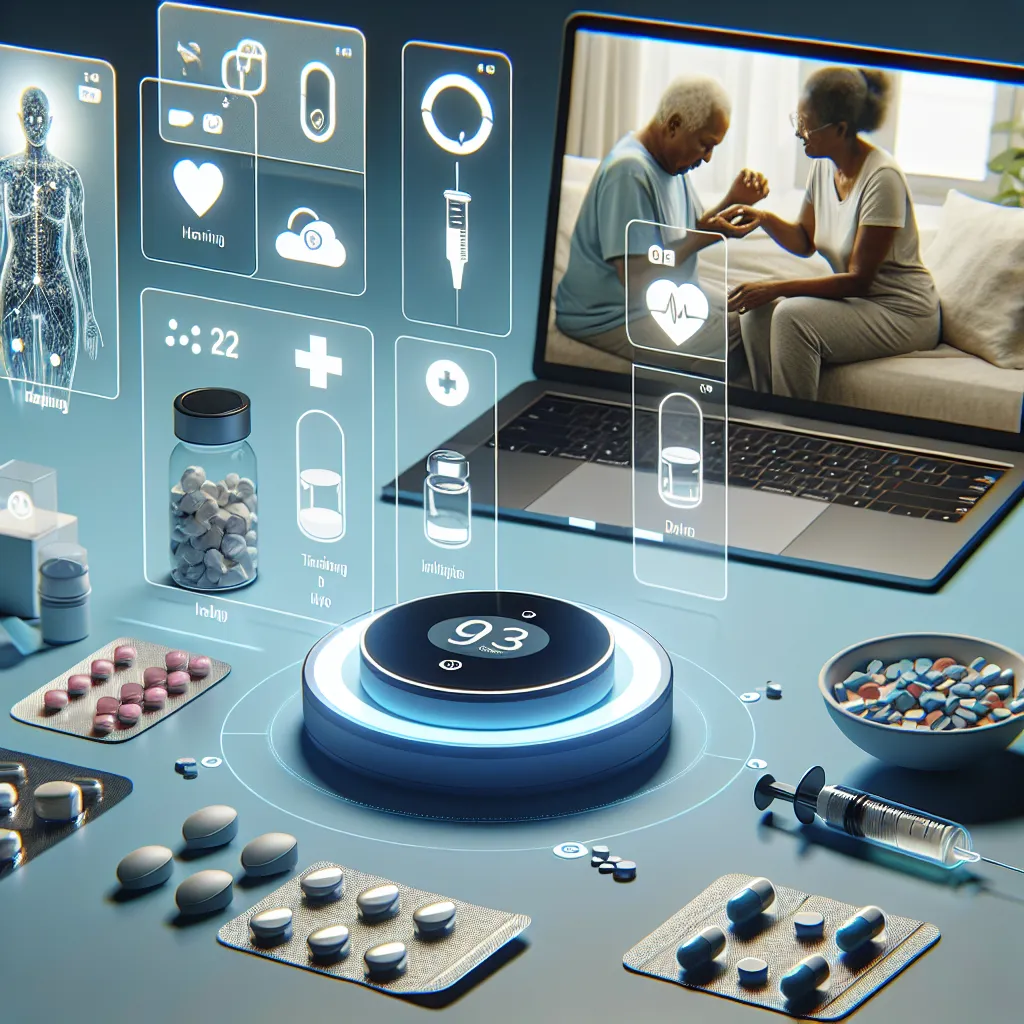
Poor medication adherence affects millions with chronic illnesses—like diabetes, HIV, or severe depression—often leading to avoidable complications. This startup would offer a smart device (e.g., an injector, patch, or pill dispenser) that tracks dosing, provides reminders, and syncs with healthcare teams to flag missed treatments. The growing trend toward connected drug delivery systems (like insulin pens with Bluetooth) proves that the market is ready. For example, a patient on hormone therapy or monthly antidepressant injections could use this device at home, improving adherence and allowing clinicians to intervene only when needed—saving time, money, and lives.
Description
No additional description provided.
The Pitch
Adherence to medication is a crucial aspect of managing chronic illnesses effectively. However, poor medication adherence is a persistent challenge faced by millions dealing with conditions like diabetes, HIV, and severe depression. This issue often results in avoidable complications, causing distress to patients and increasing the burden on healthcare systems. The growing potential of connected drug delivery systems, such as Bluetooth-enabled insulin pens, suggests that there is a market ripe for innovative solutions to address this problem.
**Identifying the Problem**
Chronic illnesses require regular medication to keep them under control. Yet, many patients struggle with adhering to their prescribed medication schedules for a variety of reasons, including forgetfulness, misunderstandings about dosage, or the complexity of their treatment regimen. This non-adherence can lead to deteriorating health conditions, higher healthcare costs due to emergency interventions, and overall reduced quality of life.
**Proposed Solution**
A smart medication management system can bridge this significant gap by enhancing adherence to prescribed treatments. The solution is a smart device, such as an injector, patch, or pill dispenser, that offers more than just dispensing medication. This device would be designed to:
- Track medication doses accurately. - Offer timely reminders to patients to take their medications. - Synchronize with healthcare teams, allowing them to monitor adherence and intervene promptly when treatments are missed or need adjustment.
**Product Details**
1. **Smart Device**: A user-friendly device that integrates into the patient's daily routine. It could take forms such as a wearable patch, an injector with a digital interface, or a sophisticated pill dispenser. It utilizes sensors and connectivity to ensure accuracy in dosing.
2. **Mobile Application**: A companion app that connects the device to the patient's smartphone. Through the app, patients receive reminders and notifications about their medication schedule.
3. **Healthcare Team Portal**: A platform for healthcare providers to monitor patient adherence remotely. It enables proactive management, with alerts sent to healthcare professionals if there are signs of non-adherence or incorrect dosing.
4. **Data Security**: Employing robust encryption and privacy measures to ensure patient data remains confidential and is only accessible to authorized parties.
**Tools for Launching an MVP**
- **Prototyping Tools**: Utilize platforms like Fluid UI or Adobe XD for designing the user interface of the smart device and application. - **IoT Development Kits**: Use platforms such as Arduino or Raspberry Pi for developing the hardware components. - **App Development Frameworks**: Leverage React Native or Flutter for building cross-platform mobile applications. - **Cloud Services**: Services like AWS or Google Cloud for storage, data management, and scalability. - **Testing Tools**: Platforms such as UserTesting for gathering user feedback on prototypes and iterating designs.
**Go-To-Market Strategy**
1. **Initial Market Focus**: Target early adopters in the chronic illness management sectors such as diabetes care and hormone therapy, where there's already a recognized need for smart drug delivery systems.
2. **Partnerships**: Collaborate with healthcare providers, insurance companies, and pharmaceutical firms to integrate this solution into existing therapeutic protocols.
3. **Awareness Campaigns**: Run targeted campaigns to educate patients and healthcare professionals on the benefits of connected drug delivery systems through demonstrations, webinars, and healthcare conferences.
4. **Pilot Programs**: Implement pilot programs with selected healthcare institutions to gather real-world data and testimonials that can be used to validate the efficacy and refine the product.
**Business Model**
- **Subscription Service**: Offer a subscription-based model where patients pay a monthly fee for device usage and data connectivity. - **B2B Sales**: Provide bulk deals to healthcare providers and clinics that wish to offer the service to their patients. - **Data Insights**: Generate revenue by providing aggregated, anonymized data insights to pharmaceutical companies for research and development purposes.
By addressing the gap in medication adherence with this innovative smart device solution, the startup can contribute to better health outcomes for patients and a more efficient healthcare system overall.