Smart Contact Lenses for Emergency Responders
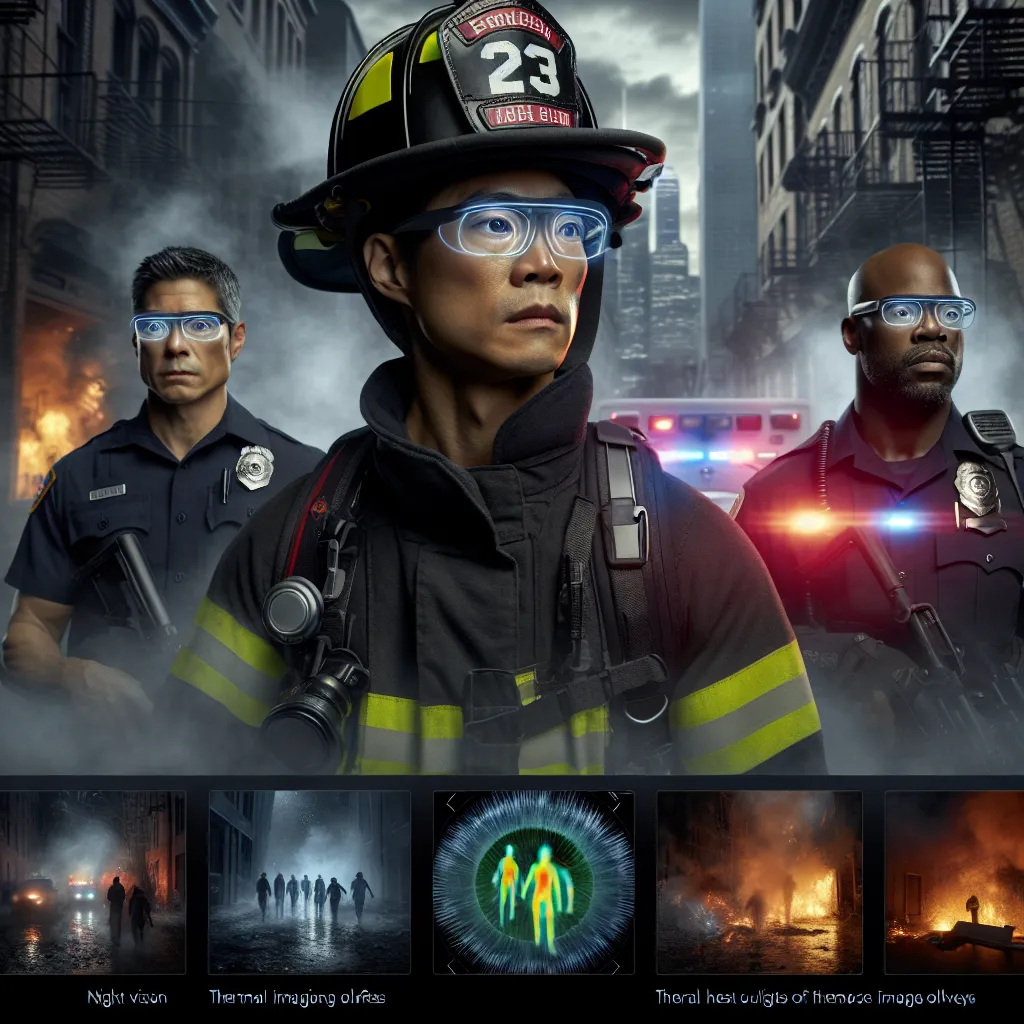
Emergency responders work in hazardous, low-visibility environments — dark streets, smoky buildings — where traditional night vision equipment is cumbersome and slow to deploy. Smart contact lenses for firefighters, EMTs, and police could provide real-time, hands-free night vision and even thermal imaging overlays. With improvements in nanomaterials and flexible thermal sensors, such lenses are finally possible now. Imagine a firefighter navigating smoke-filled rooms seeing body-heat outlines of victims, all through a lens thinner than a fingernail. No product like this exists yet for first responders, but the need is critical and growing.
Description
Emergency responders work in hazardous, low-visibility environments — dark streets, smoky buildings — where traditional night vision equipment is cumbersome and slow to deploy. Smart contact lenses for firefighters, EMTs, and police could provide real-time, hands-free night vision and even thermal imaging overlays. With improvements in nanomaterials and flexible thermal sensors, such lenses are finally possible now. Imagine a firefighter navigating smoke-filled rooms seeing body-heat outlines of victims, all through a lens thinner than a fingernail. No product like this exists yet for first responders, but the need is critical and growing.
The Pitch
In recent years, the role of emergency responders has evolved, requiring rapid adaptation to increasingly complex and hazardous situations. These professionals often operate in environments where visibility is severely compromised. Whether it’s navigating dark streets or entering smoke-filled buildings, traditional equipment falls short, as night vision gear is often bulky and slow to deploy.
The pressing challenge faced by firefighters, EMTs, and police is the lack of efficient, hands-free solutions that offer enhanced visibility in challenging conditions. This gap not only hampers their effectiveness but can also compromise their safety and the safety of those they are trying to assist.
Enter the innovative solution: smart contact lenses designed specifically for emergency responders. These lenses integrate advanced nanomaterials and flexible thermal sensors, providing real-time night vision and thermal imaging overlays directly onto the user's eye. This breakthrough technology allows for a seamless blend of the physical and digital worlds, offering a crucial tool for navigating hazardous environments.
The potential impact of such technology is profound. Imagine a firefighter entering a smoke-dense room, effortlessly seeing the body-heat signatures of potential victims, all through a lens that is thinner than a fingernail. This form of augmented reality enhances situational awareness, enabling quicker and more effective decision-making, which is crucial during critical moments.
No product currently on the market meets these specific needs for first responders, making this an untapped opportunity ripe for development. As interest in wearable technology continues to surge, now is the perfect time to execute this vision.
For those interested in developing this groundbreaking technology into a market-ready product, the strategy involves several key steps and considerations:
1. **Product Details**: - Integrate nanomaterials and flexible sensors to enable low-light and thermal imaging capabilities. - Ensure lenses are comfortable and safe for extended wear in harsh conditions. - Design for compatibility with existing protective gear worn by responders.
2. **Tools and Resources for MVP Launch**: - Utilize advancements in nanotechnology and optoelectronics to develop functional prototypes. - Collaborate with research institutions or technology companies specializing in advanced materials. - Conduct extensive field testing with real emergency responders to refine functionality and usability.
3. **Go-To-Market Strategy**: - Partner with emergency services departments to pilot the technology and gather validation data. - Engage with industry conferences and publications to increase visibility within the responder community. - Leverage government grants and funding for technology that improves public safety outcomes.
4. **Business Model**: - Employ a subscription-based service for ongoing access and updates to lens technology. - Offer tiered pricing packages based on the size and scale of emergency service departments. - Build partnerships with municipalities and advocacy groups for wider adoption and implementation.
This vision of smart contact lenses for emergency responders represents not only a technological advancement but also a step forward in ensuring the safety and effectiveness of those who dedicate their lives to public service. With the right combination of innovation, strategy, and collaboration, this concept could soon become an invaluable asset in crisis response scenarios worldwide.