Smart Closet: Adaptive Wardrobe for Effortless Organization
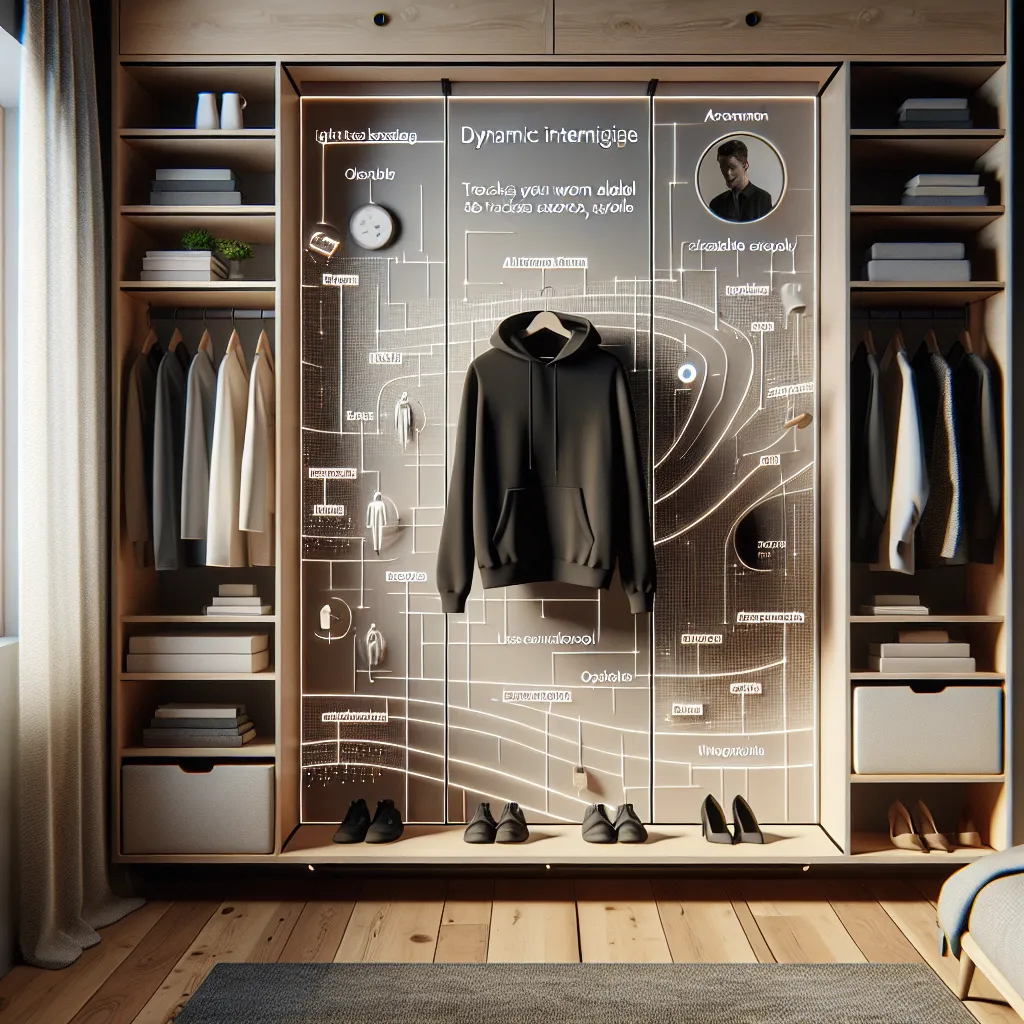
Most people wear the same 20% of their clothes 80% of the time, yet closets remain static, forcing us to dig through rarely worn items just to find our favorites. The problem is disorganization-by-default—closets don’t adapt to what we actually wear. Enter Smart Closet: a modular wardrobe system with sliding rails, light sensors, and usage tracking that uses an algorithm inspired by the “better bookshelf” paper. Instead of major reshuffles, it subtly nudges frequently worn outfits to eye level and easier reach while pushing off-season or unused items to the back. Why now? Advances in low-cost sensors, home automation, and AI make it possible to create adaptive storage affordably. Imagine wearing your favorite black hoodie every week, and over time it’s right at the front without you noticing the shift. Over months, your closet knows you better than you know yourself—turning decision fatigue into wardrobe zen.
Description
No additional description provided.
The Pitch
The daily struggle of rummaging through a cluttered closet is an experience familiar to many. Despite having a wardrobe filled with a vast array of clothing, most people end up wearing the same 20% of their attire frequently, leaving the rest to gather dust. Traditional closets remain static and disorganized, forcing users to navigate through rarely worn items in search of their favorites. This disorganization-by-default is not just inconvenient but also time-consuming, contributing to decision fatigue every morning.
Problem: The core issue with traditional closet systems is their lack of adaptability. They do not adjust based on the user’s clothing preferences or seasonal changes. This leads to frustration and inefficiencies, as users have to constantly shuffle through their wardrobes to find frequently worn items, while off-season or less-used clothing occupies prime space.
Solution: Enter Smart Closet—a cutting-edge modular wardrobe system designed to adapt to the user's clothing habits over time. Smart Closet leverages a combination of sliding rails, light sensors, and usage tracking technology to automatically rearrange apparel based on usage patterns. Inspired by the better bookshelf concept, it subtly relocates frequently worn garments to eye level and within reach, while off-season or infrequently used items are moved to the back.
Product Details: Smart Closet comprises several innovative features:
1. **Sliding Rails**: Enables effortless movement of clothing items within the wardrobe according to their usage frequency. 2. **Light Sensors**: Detect when items are moved or accessed, providing data on usage patterns. 3. **Usage Tracking**: Collects and analyzes clothing wear frequency, guiding the intelligent organization of wardrobe items. 4. **Adaptive Algorithm**: Automatically adjusts the positioning of clothing items, optimizing accessibility over time.
This system transforms the traditional closet into an intelligent, self-organizing space that reflects the user's unique clothing habits, eliminating clutter and enhancing efficiency.
Why Now: The convergence of affordable sensor technology, home automation advancements, and sophisticated AI algorithms makes the Smart Closet a viable reality today. These technologies enable Smart Closet to provide adaptive storage solutions at a competitive price point, making it accessible to a broader market.
Tools for MVP Launch:
1. **Raspberry Pi/Arduino**: For developing the initial hardware prototype with sensors and motorized rails. 2. **Python/Node.js**: To develop the software that integrates sensor data and drives the adaptive algorithm. 3. **3D Printing**: For creating customizable modular components and rail systems. 4. **User Feedback Platforms**: To gather early user data and refine features pre-launch.
Go-to-Market Strategy:
1. **Target Audience Identification**: Focus initially on urban dwellers and tech enthusiasts who value innovation and convenience. 2. **Partnerships with Home Improvement Stores**: Collaborate with major home improvement retailers and interior design services to showcase Smart Closet in physical stores. 3. **Online Presence**: Build a strong digital marketing campaign illustrating the benefits and transformative effects of Smart Closet. Utilize social media and video demonstrations to engage potential customers. 4. **Influencer Collaborations**: Engage fashion and lifestyle influencers to review the product and share their experiences with their followers.
Business Model:
1. **Direct-to-Consumer Sales**: Through an online store, providing customizable options to exploit the modular nature of Smart Closet. 2. **Subscription Service**: Offer a subscription model for regular updates and maintenance, ensuring the system remains cutting-edge. 3. **Partnership Sales**: Generate revenue through partnerships with retailers and home design services, potentially licensing the technology for broader use.
In conclusion, Smart Closet promises to revolutionize how individuals interact with their wardrobes by transforming disorganization into a seamlessly adaptive system. With its emphasis on understanding and catering to the user's lifestyle, it alleviates the common pain points of traditional wardrobe organization, bringing a Zen-like order to everyday clothing decisions.