Smart Agent OS for Autonomous Agent Collaboration
As autonomous agents gain the ability to take initiative, they’ll soon need to collaborate—hiring each other for design, legal, or operations. But without a trusted system, agent-to-agent collaboration risks errors, fraud, or runaway decisions. A “Smart Agent Operating System” solves this by creating a permissioned network where agents can discover, contract, and supervise one another—with built-in spend limits, oversight rules, and kill switches. With tools like AutoGPT enabling agent chains, this system offers safety and structure as agents begin running real businesses. For example, a marketing agent realizes it needs visuals, hires a design agent through the OS, and delivers results—without ever waking the founder.
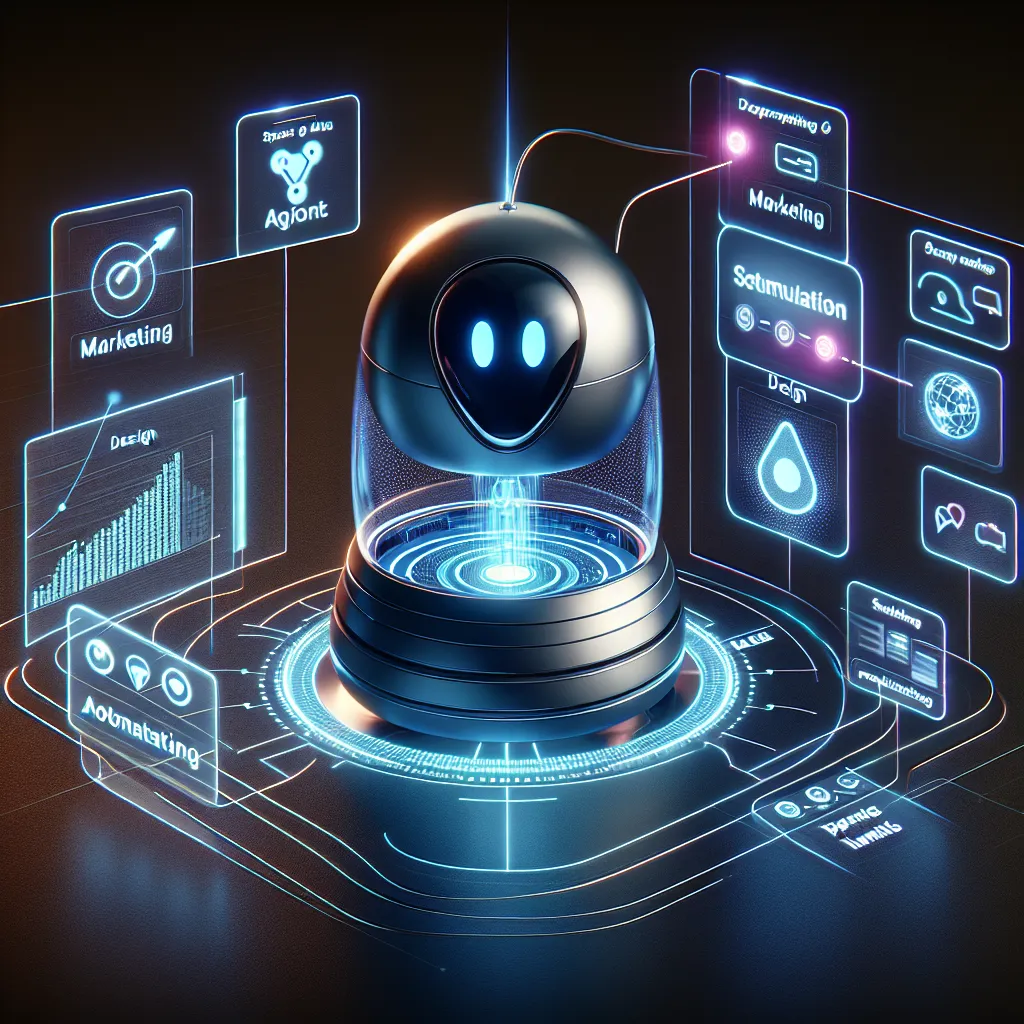
Description
No additional description provided.
The Pitch
In recent years, the field of artificial intelligence has witnessed significant advancements, particularly in the development of autonomous agents. These agents, equipped with the ability to independently take initiative and perform tasks, are poised to revolutionize various sectors by automating complex processes. As their capabilities expand, these agents will increasingly need to collaborate with one another to execute multifaceted operations that require interdisciplinary inputs, such as design, legal, marketing, and operations.
However, this exciting potential is met with a set of challenges. The lack of a structured and trusted system for these autonomous agents to collaborate introduces risks such as errors in task execution, potential fraud due to unchecked actions, and runaway decisions that might not align with organizational objectives. The need for a robust operating system to facilitate secure, efficient, and reliable agent-to-agent collaboration is evident to prevent such issues.
**Solution:**
The proposed solution is a Smart Agent Operating System (SAOS), a permissioned network designed specifically for autonomous agents. This system will enable agents to discover each other, form contractual agreements, and supervise ongoing projects, ensuring seamless and reliable collaboration. Key features of the SAOS include:
- **Secure Contracting:** A mechanism through which agents can securely enter into and manage contractual agreements, providing clear terms of service and accountability. - **Oversight Management:** Built-in rules for supervision of agent activities, including spend limits and oversight functionalities that ensure alignment with overarching goals and protection against unauthorized actions. - **Fail-safe Mechanisms:** Kill switches and safety triggers to immediately halt any operation that begins to diverge from expected parameters or poses a risk to the system’s integrity.
**Product Details:**
The core functionality of SAOS will revolve around providing a safe and structured environment for autonomous agent collaboration, with the following components:
- **Discovery Module:** Facilitates the identification of compatible agents based on task requirements and capabilities. - **Contract Module:** Provides a template-based contracting framework that can be customized to meet specific project needs. - **Monitoring and Evaluation Tools:** Allows for real-time tracking of agent performance and assessment of deliverables to ensure quality and adherence to project specifications. - **Compliance and Security Features:** Implements security protocols and compliance checks to safeguard data and ensure agents adhere to privacy regulations.
**Tools for MVP Launch:**
To swiftly bring the Smart Agent Operating System to market as a Minimum Viable Product (MVP), leveraging existing tools and technologies is crucial. Tools such as AutoGPT for building agent chains can be integrated to enhance functionality. Additionally, cloud platforms like AWS or Azure could host the system, offering robust infrastructure and scalability. Collaboration and project management tools like Slack and Jira can be used for internal coordination during the development phase.
**Go-To-Market (GTM) Strategy:**
1. **Target Market Identification:** Focus initially on industries where agent collaboration is in high demand, such as digital marketing agencies, legal firms, and tech startups.
2. **Partnerships:** Form strategic alliances with AI developers and technology firms that can provide early-stage feedback and adoption, further enhancing the system's capabilities.
3. **Pilot Programs:** Launch pilot programs with selected partners to refine the system through real-world application and feedback.
4. **Digital Marketing Campaigns:** Utilize content marketing and webinars to educate potential users about the benefits and functionalities of the SAOS.
5. **Community Building:** Establish a community of early adopters and enthusiasts who can share insights and advocate for the system’s efficacy.
**Business Model:**
The business model will primarily be based on a subscription-based model offering tiered service levels, providing basic, premium, and enterprise packages. Additional revenue streams can include:
- **Consulting Services:** Offering customization and integration support for larger enterprises. - **Marketplace for Agents:** Creating a marketplace where agents can be hired, generating revenue through transaction fees. - **Training and Certification Programs:** Providing courses and certifications for organizations to train their own agents on the Smart Agent Operating System.
By implementing this Smart Agent Operating System, organizations and developers can confidently harness the potential of autonomous agents, fostering innovation and efficiency while mitigating associated risks.