Small Modular Hydrogen Plants for Data Centers
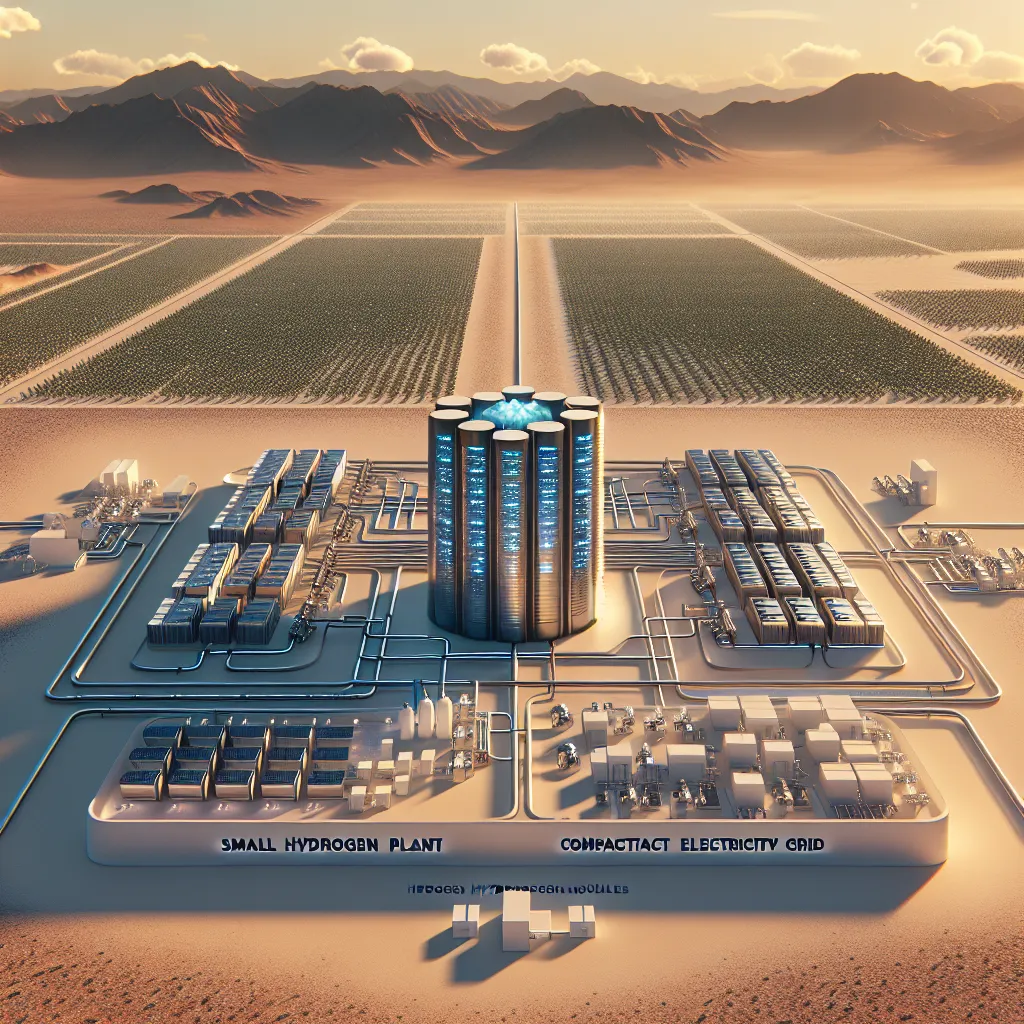
Hydrogen could be the clean fuel that powers future data centers, but centralized production makes it expensive and logistically complex to transport. The solution: develop small modular hydrogen plants that live on-site at data centers, using renewables or nuclear to electrolyze water and feed hydrogen fuel cells, cutting transmission losses and storage issues. Why now? Data centers are seeking energy independence and clean reliability, and modular hydrogen tech has matured to make smaller systems viable. Example: AWS purchases compact hydrogen modules for a new campus in Arizona, providing primary power with zero emissions and no dependence on external grids or trucks.
Description
No additional description provided.
The Pitch
Data centers are at the heart of modern technological advancements, supporting everything from cloud computing to AI-powered applications. However, their energy demands are massive, creating an imperative to seek sustainable and reliable power sources. One promising candidate is hydrogen, a clean fuel that, unfortunately, is often expensive and logistically challenging due to centralized production methods. This has paved the way for an innovative solution: deploying small modular hydrogen plants directly at data center sites.
Challenge
The primary challenge faced by data centers in adopting hydrogen fuel is the current production and distribution model. Centralized hydrogen production means that the fuel must be transported over large distances, leading to increased costs and the potential for energy losses during transmission. Furthermore, reliance on external supply chains for fuel delivery can pose risks related to reliability and sustainability. Thus, the challenge lies in developing a solution that minimizes the need for transportation while maximizing energy efficiency and independence.
Proposed Solution
The solution involves designing small, modular hydrogen plants that can be installed on-site at data centers. These plants will utilize renewable energy sources, such as solar or wind, or even nuclear power to electrolyze water, generating hydrogen. The hydrogen produced can then feed into fuel cells, directly supplying the data centers with clean energy. By producing hydrogen on-site, data centers can significantly cut down on transmission losses and eliminate the complexities of storage and transportation.
Product Details
1. Modular Hydrogen Plant Design: Systems are compact and scalable, tailored to meet the specific power requirements of individual data centers.
2. Electrolysis Technology: Designed to efficiently split water into hydrogen and oxygen using renewable energy inputs, ensuring sustainable fuel production.
3. Hydrogen Fuel Cells: Advanced fuel cells convert hydrogen back into electricity, providing a steady and reliable power source with zero emissions.
4. Automation and Monitoring: Integrated digital solutions for automated operation and real-time monitoring to ensure optimal performance and safety.
Tools for MVP Launch
For quick and effective deployment of this solution as a Minimum Viable Product (MVP), consider leveraging the following tools:
- 3D Printing and Rapid Prototyping: For quick development and iteration of modular plant components.
- Simulation Software: Use software to model hydrogen production processes and optimize plant design.
- Renewable Energy Integration Tools: Software and hardware for integrating various renewable sources like solar and wind with the hydrogen production process.
Go-To-Market Strategy
1. Strategic Partnerships: Collaborate with established data center operators and technology companies interested in sustainable solutions to serve as pilot sites.
2. Targeted Marketing: Develop marketing materials that highlight the environmental and economic benefits of on-site hydrogen production.
3. Demonstration Projects: Launch pilot projects to showcase the technology's efficacy and build trust with potential customers.
4. Industry Engagement: Participate in industry conferences and forums focused on renewable energy and data center sustainability.
Business Model
1. Direct Sales: Sell modular hydrogen plants directly to data center operators.
2. Leasing Options: Offer leasing models to lower the initial costs for data centers and provide a continuous income stream.
3. Maintenance and Support Services: Provide ongoing maintenance, monitoring, and support to ensure the optimal functioning of hydrogen plants.
4. Licensing Technology: Consider licensing the technology to other companies looking to implement renewable hydrogen solutions.
Conclusion
As data centers continue to grapple with rising energy demands and sustainability goals, the integration of on-site modular hydrogen plants represents a transformative opportunity. By producing clean energy right where it’s needed, data centers can achieve greater energy independence, reduce emission footprints, and ensure reliable operations even amidst a shifting energy landscape.