Small-Batch Beverage Co-packing: A Service for Niche Beverage Brands
Description
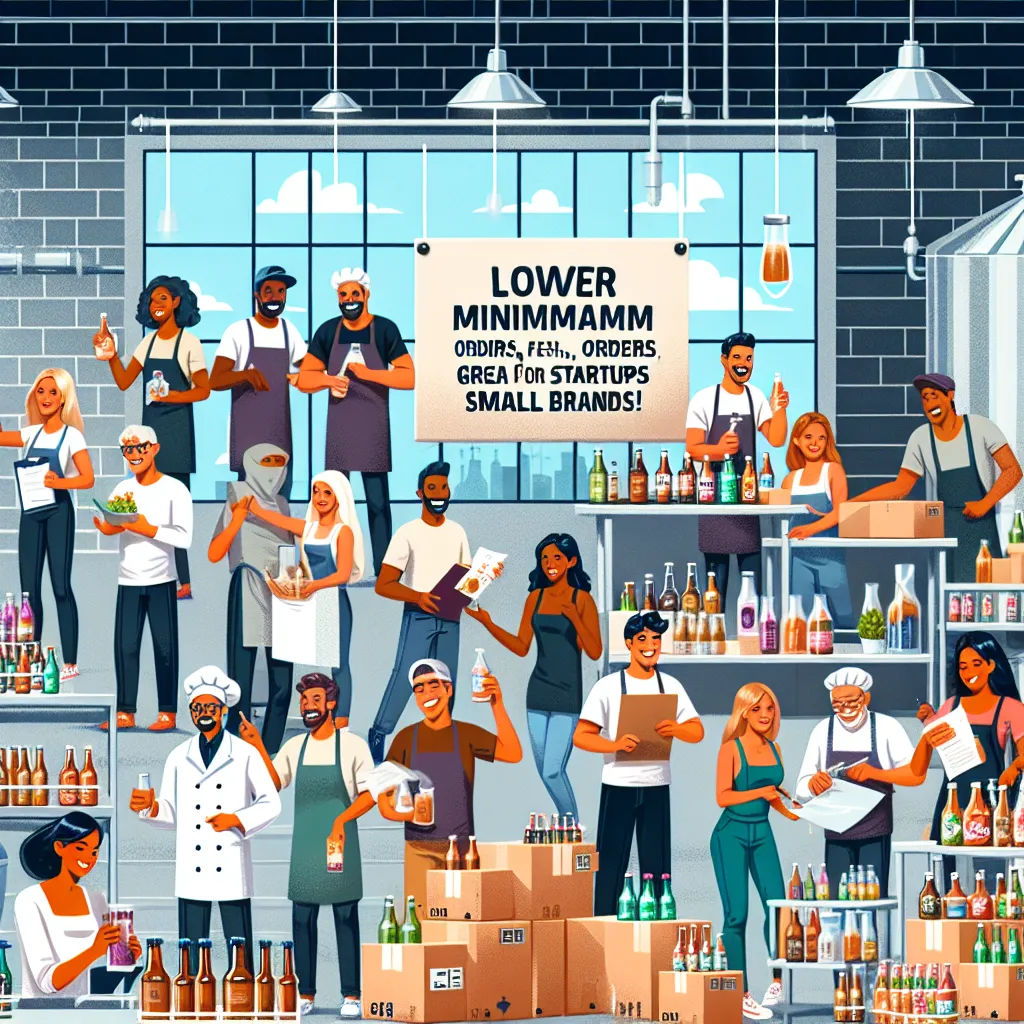
Small-batch beverage co-packing offers a flexible solution for niche beverage brands and small businesses to produce their own branded drinks without large minimum orders. This service handles everything from recipe refinement and packaging to production, quality control, and compliance. It allows businesses to test new products with lower financial risk, scale production as they grow, and focus on building their brand. Customers benefit from access to unique, high-quality products that prioritize freshness and sustainability. Small-batch co-packing is ideal for startups and small brands looking to enter or expand in the beverage market.
The Pitch
Small-batch beverage co-packing is a service tailored to the needs of niche beverage brands and small businesses. This service allows entrepreneurs to produce their own branded beverages—such as specialty sodas, juices, cold brews, or health drinks—without requiring large minimum orders, which is a common barrier for small-scale producers. By offering flexible production runs, this co-packing service empowers small brands to bring their products to market, test new flavors, and scale at their own pace, without the financial strain of traditional co-packing agreements.
How It Works:
Consultation and Customization:
Initial Consultation: The process begins with a consultation where the small business discusses their beverage concept, recipe, packaging needs, and production goals with the co-packer. Recipe Refinement: If needed, the co-packer can provide expertise in refining the beverage formula to ensure it is shelf-stable and meets regulatory requirements. Packaging Options: Businesses can choose from a variety of packaging options (e.g., cans, bottles, cartons), label designs, and sizes, ensuring the final product aligns with their brand identity. Flexible Production Runs:
Small Minimum Orders: Unlike traditional co-packers that require large minimum orders, this service offers flexible production runs, starting as low as a few hundred units. This allows small businesses to produce only what they need, reducing the risk of excess inventory. Batch Testing: The service enables brands to conduct small test batches of new flavors or product lines. This allows them to gauge customer interest and make adjustments before committing to larger production runs. Manufacturing and Quality Control:
Production: Once the recipe and packaging are finalized, the co-packer handles the entire production process, including mixing, bottling, and packaging the beverage. Quality Assurance: The service includes rigorous quality control checks to ensure consistency and safety. This gives small businesses peace of mind that their products meet high standards. Compliance and Labeling: The co-packer ensures that the product complies with all relevant regulations, including proper labeling for ingredients, nutritional information, and expiration dates. Storage and Distribution:
Storage Solutions: For businesses that need it, the co-packer can offer short-term storage options for finished products, ensuring they are stored in optimal conditions before distribution. Distribution Support: The service may also offer assistance with logistics, helping small brands get their products into stores or directly to consumers through e-commerce channels. Scalable Growth:
Scale at Your Own Pace: As the brand grows, the co-packer can accommodate larger orders, allowing businesses to scale up production without switching providers. Ongoing Support: The co-packer can continue to provide support as the brand expands, helping with new product lines, seasonal offerings, and more. Why Small-Batch Co-packing is Beneficial for Business Owners:
Lower Financial Barriers: Traditional co-packers often require large minimum orders, which can be prohibitively expensive for small businesses. By offering small-batch production, this service allows entrepreneurs to enter the market with less upfront investment, reducing financial risk.
Flexibility and Experimentation: Small-batch co-packing gives businesses the freedom to experiment with new flavors, packaging designs, or product variations. This flexibility is especially valuable for startups or niche brands that want to test concepts before scaling up.
Focus on Brand and Sales: With the co-packer handling production, quality control, and compliance, small business owners can focus on building their brand, marketing their products, and growing sales. This allows them to allocate resources to areas that directly impact business growth.
Support from Experts: Working with an experienced co-packer provides small businesses access to industry expertise they may not have in-house. This guidance can help avoid costly mistakes, ensure regulatory compliance, and improve product quality.
Scalability: As the brand grows, the co-packer can increase production volume, ensuring a seamless transition from small-batch to larger-scale manufacturing. This eliminates the need to find new production partners as the business expands.
Why Small-Batch Co-packing is Beneficial for Customers:
Access to Unique Products: Customers benefit from the innovation that small-batch production enables. Since small brands can afford to experiment, consumers have access to unique, niche beverages that aren't available from mass-market producers.
Higher Quality and Freshness: Small-batch production often results in fresher, higher-quality products. Because smaller runs mean less time on the shelf, customers are likely to get beverages that taste better and use higher-quality ingredients.
Support for Local and Small Businesses: Consumers increasingly value supporting small, independent brands. Small-batch co-packing makes it easier for these brands to compete in the market, offering customers more choices and the satisfaction of supporting small businesses.
Sustainability and Transparency: Many small-batch beverage brands focus on sustainability, using organic or locally sourced ingredients, and offering more transparency about their production practices. This aligns with the growing consumer demand for ethical and environmentally friendly products.
Example Use Case: Imagine a small health-focused startup that wants to launch a line of kombucha beverages. Traditional co-packers require them to order 10,000 units per flavor, a commitment that’s financially daunting and risky for a new brand. With a small-batch co-packing service, they can start with a few hundred units per flavor, testing the market at local farmers' markets and online. Once they find a hit flavor, they can confidently scale up, knowing that their co-packer can handle larger orders without sacrificing quality.
Conclusion: Small-batch beverage co-packing is a game-changer for niche beverage brands and small businesses. It removes the barriers to entry in the beverage industry, allowing entrepreneurs to bring their ideas to life without the need for significant capital or risk. For consumers, it means access to more innovative, high-quality products. Whether you're a startup launching your first beverage or a small business looking to expand, small-batch co-packing offers the flexibility, support, and scalability you need to succeed.