SkillGraph AI: Revolutionizing Skills-Based Hiring
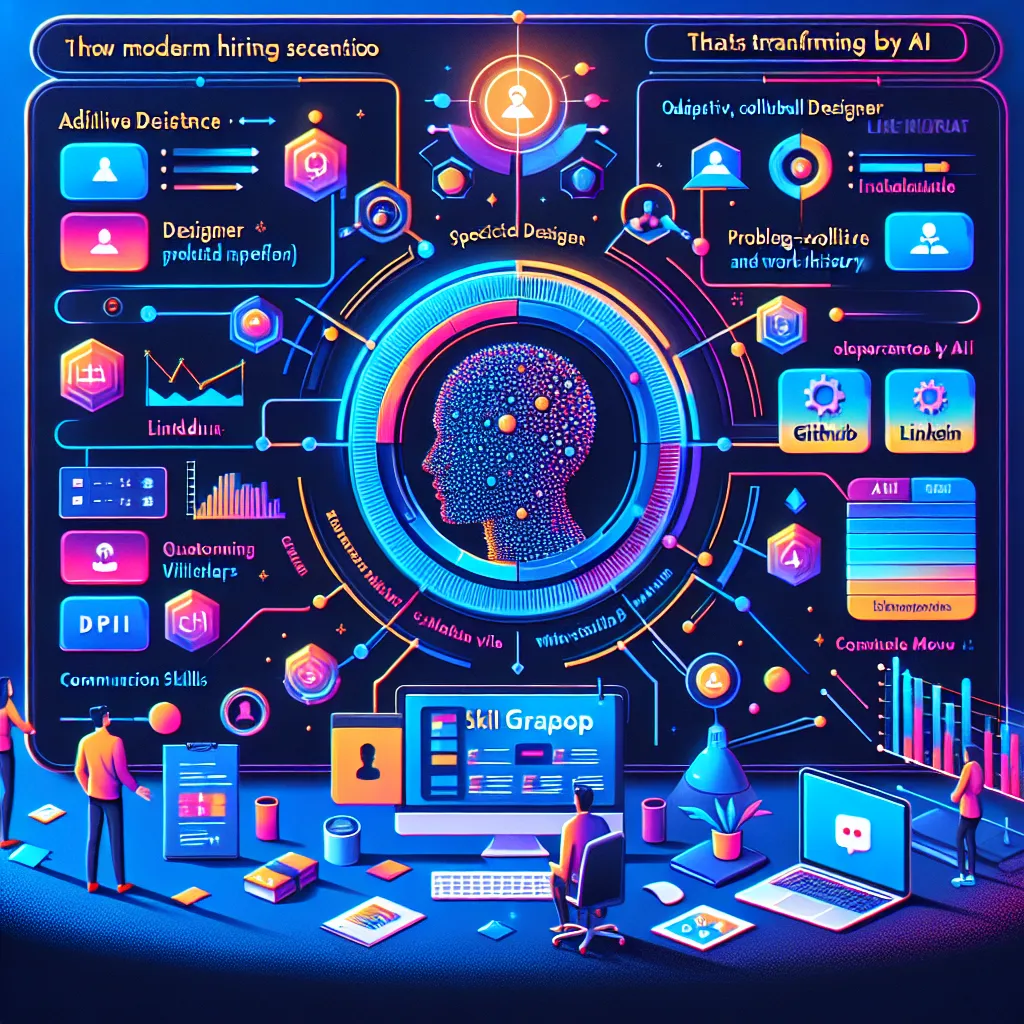
Resumes are broken. They’re backward-looking, inflated, and poor predictors of actual capability. As companies shift toward “skills-first hiring,” they still struggle to assess soft and hard skills at scale — especially for self-taught or nontraditional candidates. SkillGraph AI solves this by aggregating real project work across platforms like GitHub, Behance, LinkedIn, and Medium, then using LLMs to assess competencies and create a living skills graph for each candidate. Recruiters can query “show me adaptive, collaborative designers with experience in Figma and real-world case studies” — and get instantly matched. It turns the digital footprint into a structured, searchable asset. With 70% of job seekers preferring skills-based hiring and AI-native recruiting tools on the rise, the timing is ideal. A startup hiring a product designer could instantly see not just their portfolio, but also how they solve problems, work in teams, and communicate—all scored and visualized via SkillGraph.
Description
No additional description provided.
The Pitch
In today's fast-evolving job market, traditional resumes are quickly becoming obsolete. They often present an inflated, backward-looking snapshot of an individual's career, which can be misleading and inadequate for evaluating actual capabilities. As companies increasingly adopt skills-first hiring, they continue to face challenges in assessing both soft and hard skills at scale. This is particularly true when considering self-taught or nontraditional candidates who may not have conventional credentials but possess considerable expertise and talent.
Identified Problem:
Traditional hiring processes often rely on static or generalized documents that fail to provide a comprehensive view of a candidate’s abilities and potential. This is problematic because:
1. They offer a narrow perspective limited to past job titles and company names. 2. Competence isn't easily quantified or distilled into bullet points. 3. They exclude valuable insights from a candidate's lifelong learning and portfolio work. 4. There's a lack of focus on soft skills such as adaptability, collaboration, and communication that are critical for success in many roles.
Proposed Solution:
Introducing SkillGraph AI — a revolutionary platform designed to harness the power of large language models (LLMs) to create dynamic skills graphs for job candidates. By aggregating real project work from platforms like GitHub, Behance, LinkedIn, and Medium, SkillGraph AI evaluates competencies to construct a detailed, living profile for each person. This allows recruiters to input specific queries like “show me adaptive, collaborative designers with experience in Figma and real-world case studies” and receive instant, accurate matches.
Product Details:
1. Aggregation: SkillGraph AI collects data from various platforms showcasing a candidate's project work, articles, code samples, designs, or any other relevant content.
2. Analysis: Utilizing LLMs, the platform assesses and scores both soft and hard skills, identifying true areas of expertise and potential for growth.
3. Visualization: The results are displayed in an intuitive format that provides a clear, comprehensive view of a candidate’s skills and capabilities.
4. Search and Match: Recruiters and employers can easily query the platform for desired competencies and traits, receiving immediate matches.
Tools for MVP Launch:
1. Data Aggregation APIs: Integrate with APIs from platforms like GitHub, LinkedIn, and others to gather user data.
2. Machine Learning Libraries: Utilize libraries like TensorFlow or PyTorch to build and train LLMs for skill assessment.
3. Visualization Tools: Use D3.js or similar to create interactive skill graphs and dashboards.
4. Cloud Services: Deploy the MVP using scalable options such as AWS or Google Cloud to manage data and analytics.
GTM Strategy:
1. Target Market: Focus initially on tech, design, and creative industries where skills-based hiring is most prevalent and portfolios highlight work quality.
2. Partnerships: Collaborate with coding bootcamps, design schools, and online learning institutions to create awareness and adoption.
3. Early Adopters: Engage startups and forward-thinking companies as initial users to provide feedback and spread the word.
4. Demonstrations and Webinars: Offer free demos to showcase the platform's capabilities and effectiveness.
Business Model:
1. Subscription: Implement a subscription-based model for companies, granting them access to the platform depending on their hiring needs.
2. Tiered Pricing: Offer different tiers based on the range of features, number of users, and data integration capabilities.
3. Freemium Model: Allow candidates to use the platform for free to build their skills graph, with premium options for advanced analytics and personalized insights.
By turning the digital footprint into a structured, searchable asset, SkillGraph AI helps realize the ideal of skills-based hiring. It aligns with the emerging trend of AI-native recruitment tools and meets the demands of a job market that overwhelmingly favors dynamic, skills-driven vetting processes. This solution positions itself as both timely and necessary for modern recruitment challenges.