Skill-Based Retreats: Learning Through Authentic Travel
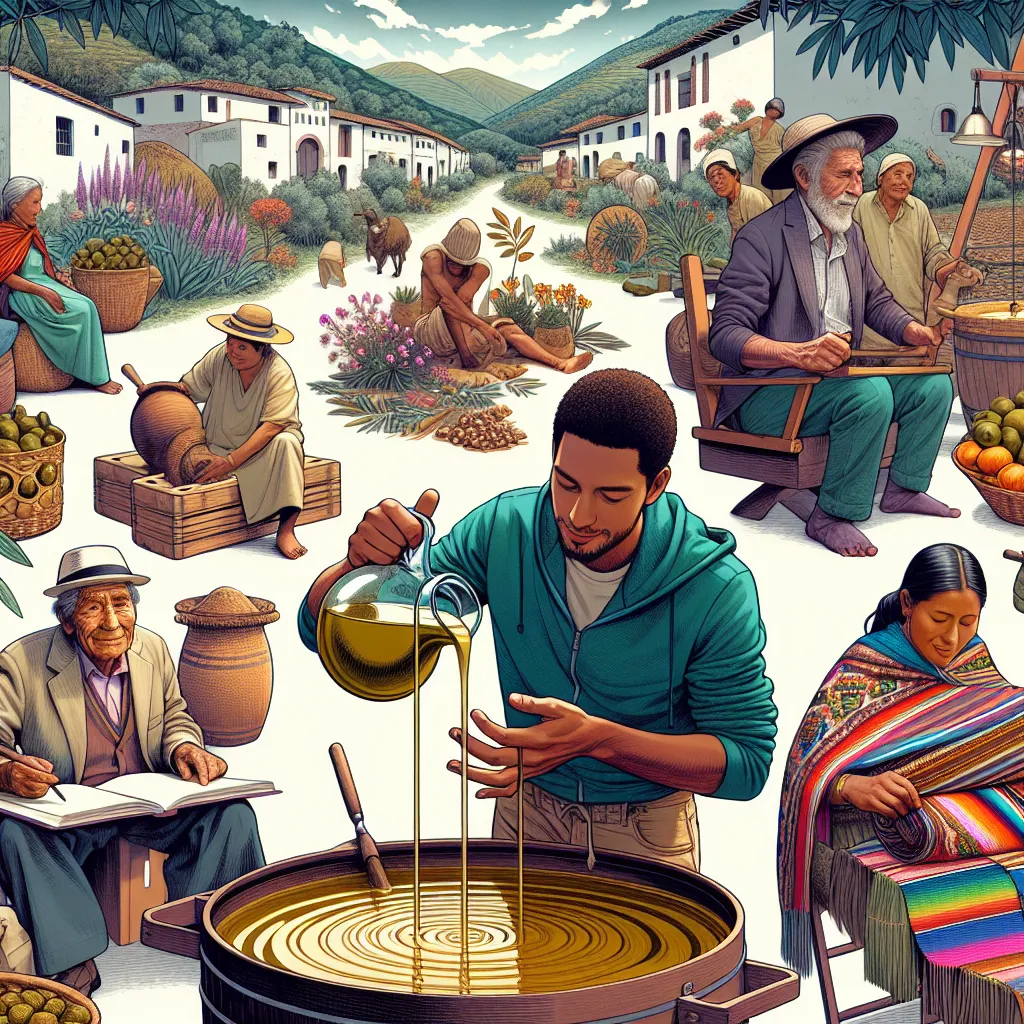
Skill-building is a rising priority among travelers, yet few vacations offer genuine learning experiences in rural or authentic settings. A service that organizes skill-based retreats — teaching farming, traditional crafts, or culinary arts from local experts — would blend tourism with education and support local communities. As experiential travel continues to gain favor, these trips satisfy the desire for personal development and authentic cultural exchange. Picture a traveler spending a week learning olive oil production in a Tuscan village or weaving textiles with artisans in Peru — gaining a life skill and a true cultural connection instead of surface-level sightseeing.
Description
No additional description provided.
The Pitch
Travelers are increasingly searching for vacations that offer more than just relaxation. They crave meaningful experiences that combine education, cultural immersion, and personal growth. Traditional travel often lacks opportunities for genuine learning, particularly in rural or authentic settings. To bridge this gap, skill-based retreats present an innovative solution by blending tourism with education, offering unique experiences for travelers while supporting local communities.
Backstory:
As experiential travel gains popularity, the tourism industry has seen a shift in consumer preferences. Modern travelers seek experiences that enrich their lives and provide deeper insights into different cultures. However, mainstream tourism often fails to deliver authentic engagement and meaningful interactions with local communities. Skill-building vacations present an opportunity to address this gap, offering travelers a chance to learn new skills from local experts in rural settings.
Problem:
Current vacation options rarely provide opportunities for skill development or cultural immersion. Travelers often return home with memories of sights seen but lacking a true understanding of the places visited. Existing tours may offer surface-level cultural experiences, but they seldom provide travelers with the chance to engage deeply with local traditions or acquire practical skills.
Solution:
The concept of skill-based retreats combines travel with hands-on learning. These retreats allow travelers to immerse themselves in local cultures while acquiring new skills under the guidance of expert artisans and practitioners. By participating in activities such as farming, traditional crafts, or culinary arts, travelers not only enhance their personal growth but also contribute to the sustainability of local communities.
Product Details:
Skill-based retreats offer customized programs that match travelers with local experts specializing in various crafts and skills. Examples include:
1. Olive oil production in a Tuscan village 2. Textile weaving with artisans in Peru 3. Organic farming techniques in a rural French countryside 4. Traditional Japanese pottery in a remote village
Each retreat includes accommodation, meals, and immersive workshops led by local teachers. These programs are designed to promote cultural exchange while providing economic benefits to host communities.
Tools for Easy Launch:
To streamline the development and launch of skill-based retreats as a minimum viable product (MVP), consider using the following tools:
1. Website Builders: Platforms like Wix or Squarespace for creating an appealing online presence. 2. Booking Systems: Tools like FareHarbor or Peek Pro for managing reservations and scheduling. 3. Communication: Apps like Slack or WhatsApp for maintaining smooth communication with local partners. 4. Marketing: Utilize social media platforms and email marketing tools such as Mailchimp to reach potential travelers.
Go-to-Market Strategy:
1. Targeted Marketing: Focus on niche travel groups and platforms where experiential travelers spend their time online. 2. Partnerships: Collaborate with travel agencies and local tourism boards to reach a wider audience. 3. Influencer Collaborations: Partner with travel influencers who can showcase the unique experiences offered by your retreats. 4. Content Marketing: Share stories and testimonials from past participants to highlight the transformative potential of the retreats.
Business Model:
The primary revenue stream for skill-based retreats would be through direct bookings. Pricing should cover all expenses related to accommodation, workshops, and meals while ensuring fair compensation for local teachers and partners. Additional revenue opportunities may include personalized travel planning services, merchandise sales, and partnerships with local businesses.
Conclusion:
Skill-based retreats offer an innovative approach to travel, satisfying the growing demand for experiential and educational vacations. By combining cultural immersion with hands-on learning opportunities, these retreats promise a richer, more fulfilling travel experience. As the desire for personal development and authentic cultural exchange continues to grow, skill-based retreats stand to become a cornerstone of the modern travel industry.