Simulating Complex Economies for Smarter Decisions
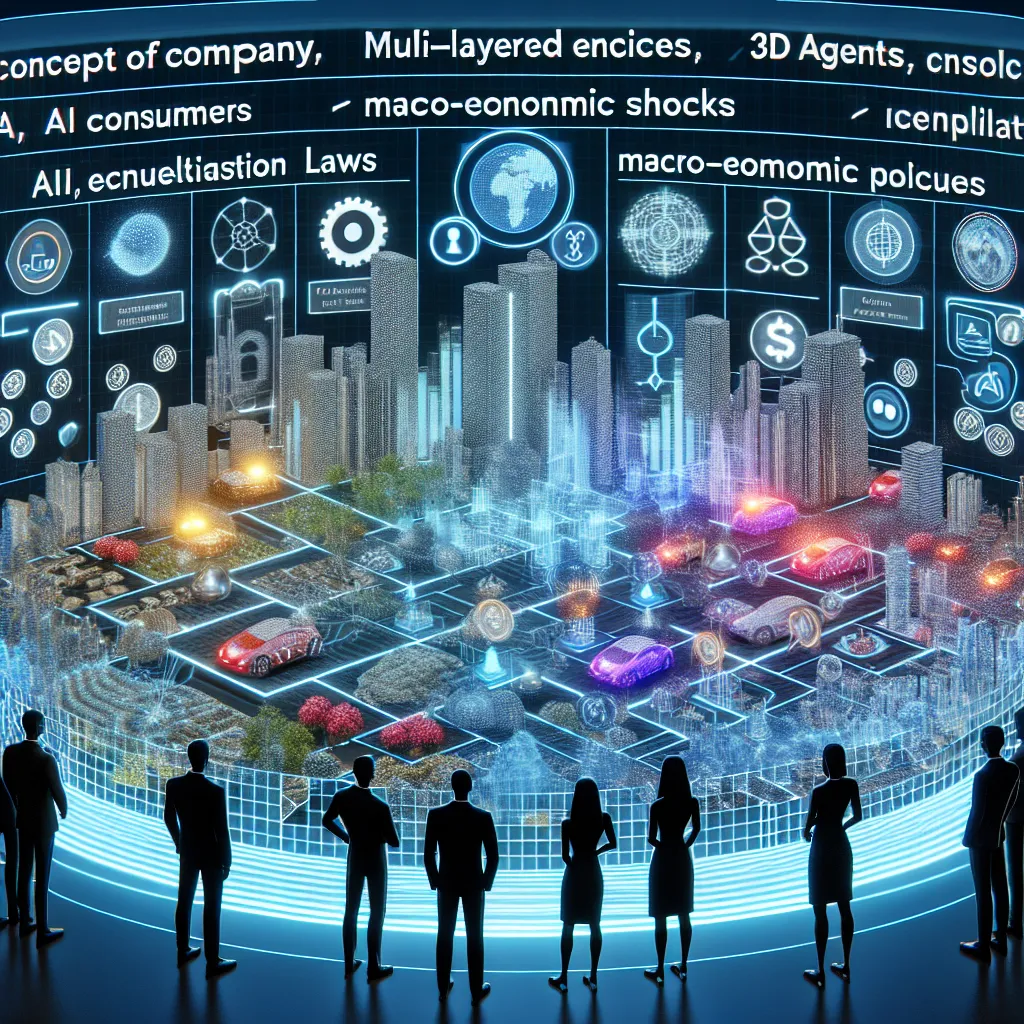
Organizations make huge decisions using spreadsheets and intuition. But the world is too complex—new policies, AI agents, consumers, regulation, competitors, and macro shocks interact in unpredictable ways. The solution is a simulation engine that lets companies stress test ideas inside a virtual multi-agent economy before shipping them into the real world. Why now: autonomous agents and market complexity are exploding, and forecasting methods are stuck in the old world. Example: a city simulates what happens when robotaxi fleets, new zoning laws, and congestion pricing collide—before implementing anything.
Description
No additional description provided.
The Pitch
In recent years, organizations across various sectors have been making pivotal decisions based on data that is primarily managed through spreadsheets and intuition. The modern world, however, presents a complex interplay of dynamic factors such as emerging policies, AI agents, consumer behaviors, regulation changes, competitive strategies, and macroeconomic shocks. These elements often interact in unpredictable ways, posing significant challenges for businesses trying to navigate this landscape effectively.
The current challenge lies in the limitations of traditional forecasting methods, which are still largely anchored in outdated modeling techniques. As autonomous agents proliferate and market complexities escalate, there's an urgent need for more sophisticated tools that can provide deeper insights and foresight.
A promising solution emerges in the form of a simulation engine that enables organizations to conduct stress tests on their ideas within a virtual multi-agent economy. By leveraging this technology, companies can explore the potential outcomes of various strategic decisions before implementing them in real-world scenarios. For example, a city government could simulate the effects of introducing robotaxi fleets, new zoning regulations, and congestion pricing to understand their combined impact before making any physical or policy changes.
This concept holds significant relevance today, given the rapid expansion of autonomous agents and the increasing complexity of markets. Additionally, traditional forecasting methods are insufficient for capturing the multifaceted nature of current economic environments, making a compelling case for simulation engines.
The product at the center of this solution would be a highly interactive and customizable simulation platform. This tool would allow users to input different variables and parameters, creating virtual models of their specific environments. The simulation engine could generate a range of potential outcomes, helping decision-makers identify risks, opportunities, and hidden interactions that may arise from their strategies.
To facilitate the launch of this product as a minimum viable product (MVP), several tools and technologies can be utilized:
1. Cloud Computing Services: Leveraging platforms like AWS or Azure to ensure scalability and access to necessary computing power.
2. Machine Learning and AI Tools: Integrating AI capabilities to improve model accuracy and predictive power.
3. User-Friendly Interfaces: Designing intuitive user interfaces with tools such as React or Angular to ensure accessibility for non-technical users.
4. Data Integration: Enabling seamless data integration from various sources using ETL tools to enhance the simulation models.
5. Multi-Agent System Frameworks: Utilizing frameworks that support the deployment of autonomous agents within the simulation.
The go-to-market (GTM) strategy for this simulation engine involves targeting key industries that can benefit most from enhanced decision-making processes, such as urban planning, logistics, financial services, and manufacturing. Collaborative case studies and partnerships with industry leaders can be pursued to demonstrate the efficacy and value of the product.
The business model for the simulation engine could revolve around a subscription-based pricing structure, allowing organizations to access various tiers of simulation complexity and user support. Additionally, offering consultancy services to help businesses customize the platform to their specific needs could provide an additional revenue stream.
In summary, the introduction of a simulation engine designed for stress-testing ideas within a virtual multi-agent economy represents a transformative step forward for organizations navigating today's complex decision-making environments. By embracing this innovative approach, businesses can move beyond the limitations of spreadsheets and intuition, harnessing new technological capabilities to make more informed and strategic decisions.