Simulated Business Decisions with AI Sandbox
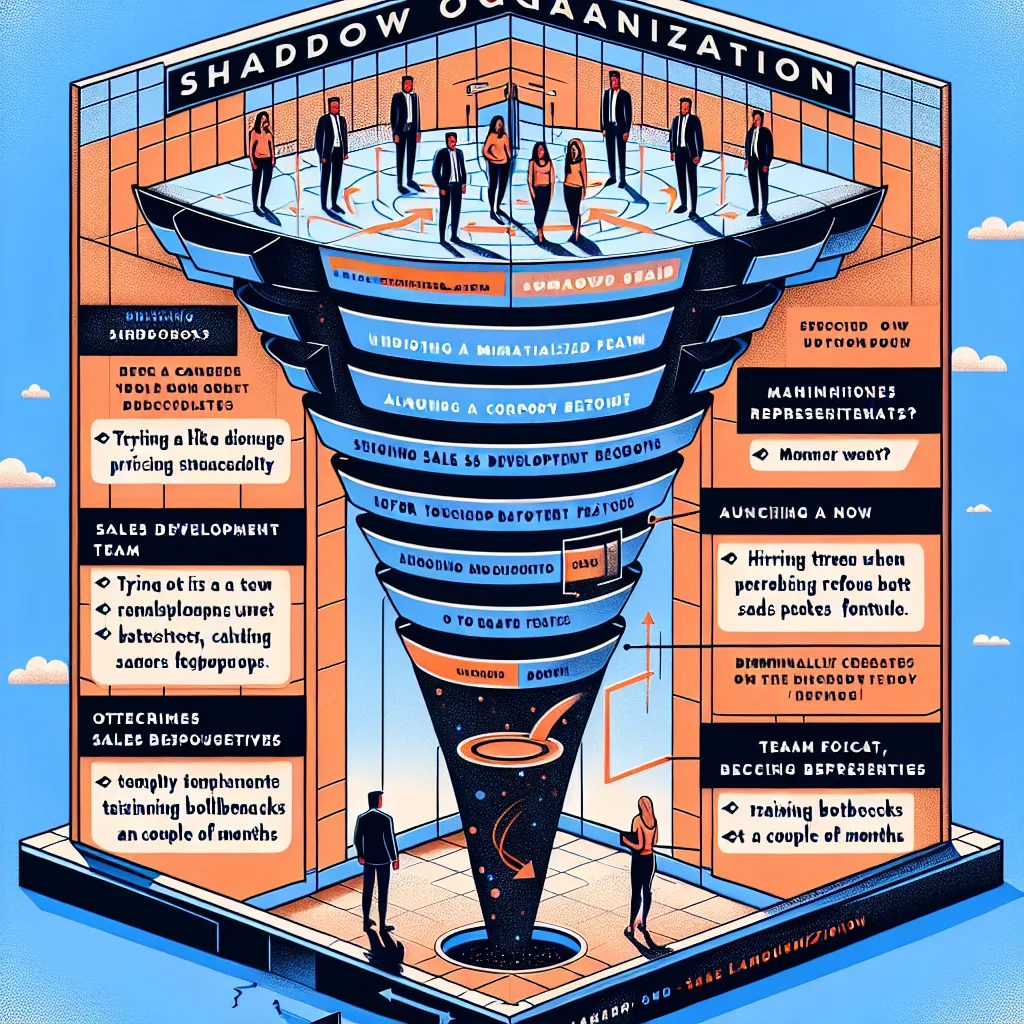
Running a company is still a series of irreversible bets—hire this team, launch this feature, change this pricing—and hope you got it right. The problem is there’s no safe way to test decisions before they play out in the real world. Even with data, second-order effects (team overload, churn, missed timelines) are hard to predict. The solution is a “shadow organization”—a simulated version of your company that mirrors your real data and lets you test decisions before making them. You input a change, and it models the downstream impact across revenue, team capacity, and customer behavior. This is now possible because companies are fully digitized and AI can reason across interconnected systems. Imagine deciding whether to hire three SDRs and seeing, in advance, that it boosts pipeline short-term but creates onboarding bottlenecks that slow growth two months later. It’s like a sandbox mode for your business—before reality makes the decision permanent.
Description
No additional description provided.
The Pitch
Running a company involves making a series of high-stakes decisions, each with potential ripple effects across various aspects of the business. Traditionally, leaders have relied on data and experience to guide these choices, but the inherent uncertainty can lead to unforeseen challenges such as team overload, customer churn, and missed timelines. This is where a novel concept can prove transformative: creating a virtual shadow organization.
Backstory: As companies have embraced digital transformation, nearly all aspects of a business are now digitized. From customer interactions to internal processes, data is continuously generated and stored. This digitization, combined with advances in artificial intelligence, presents a unique opportunity to reshape decision-making processes.
The Problem: Despite the availability of data, predicting the downstream effects of business decisions remains a complex challenge. Decisions like hiring additional staff or launching new features can have unexpected consequences that aren't immediately apparent. These second-order effects can disrupt operations and impede growth, making it difficult for leaders to confidently make strategic choices.
The Solution: Imagine a scenario where you could simulate changes within your organization before implementing them in reality. A virtual business sandbox could allow leaders to model the impact of various decisions, offering insights into how they might affect revenue, team capacity, and customer behavior.
Product Details: This concept revolves around developing a platform that mirrors your real business data, creating a simulated environment where changes can be tested safely. Users would input potential decisions, such as hiring more personnel or adjusting pricing, and the system would model the outcomes. The AI-driven platform would analyze interconnected systems within the organization, providing a comprehensive view of potential impacts.
Tools for an MVP: - Data Integration: Tools like Zapier or Integromat can connect existing digital systems, consolidating data into a single platform. - AI Engines: Utilizing platforms like TensorFlow or PyTorch to build predictive models that analyze interconnected business elements. - Simulation Software: Leveraging existing tools like AnyLogic or Simul8 to create interactive simulations for scenario testing.
GTM Strategy: 1. Identify Target Audience: Focus on mid to large-sized companies with digitized processes seeking to enhance strategic decision-making. 2. Education and Awareness: Produce content that highlights the benefits and capabilities of a virtual business sandbox. 3. Partnerships: Collaborate with business consultants and industry analysts to advocate for the practicality and advantages of the platform.
Business Model: - Subscription-Based: Offer tiered subscription plans based on company size and complexity. - Professional Services: Provide consulting to customize and integrate the platform into existing systems. - Data Monetization: With user consent, anonymized aggregated data could be analyzed for industry insights.
Conclusion: The idea of a virtual business sandbox represents a forward-thinking approach to managing the inherent risks in business decision-making. As companies continue to digitize, leveraging AI and simulation can empower leaders with the foresight needed to navigate complex organizational dynamics and drive sustainable growth.