Simulate Scarcity: Plan Startup Success Strategically
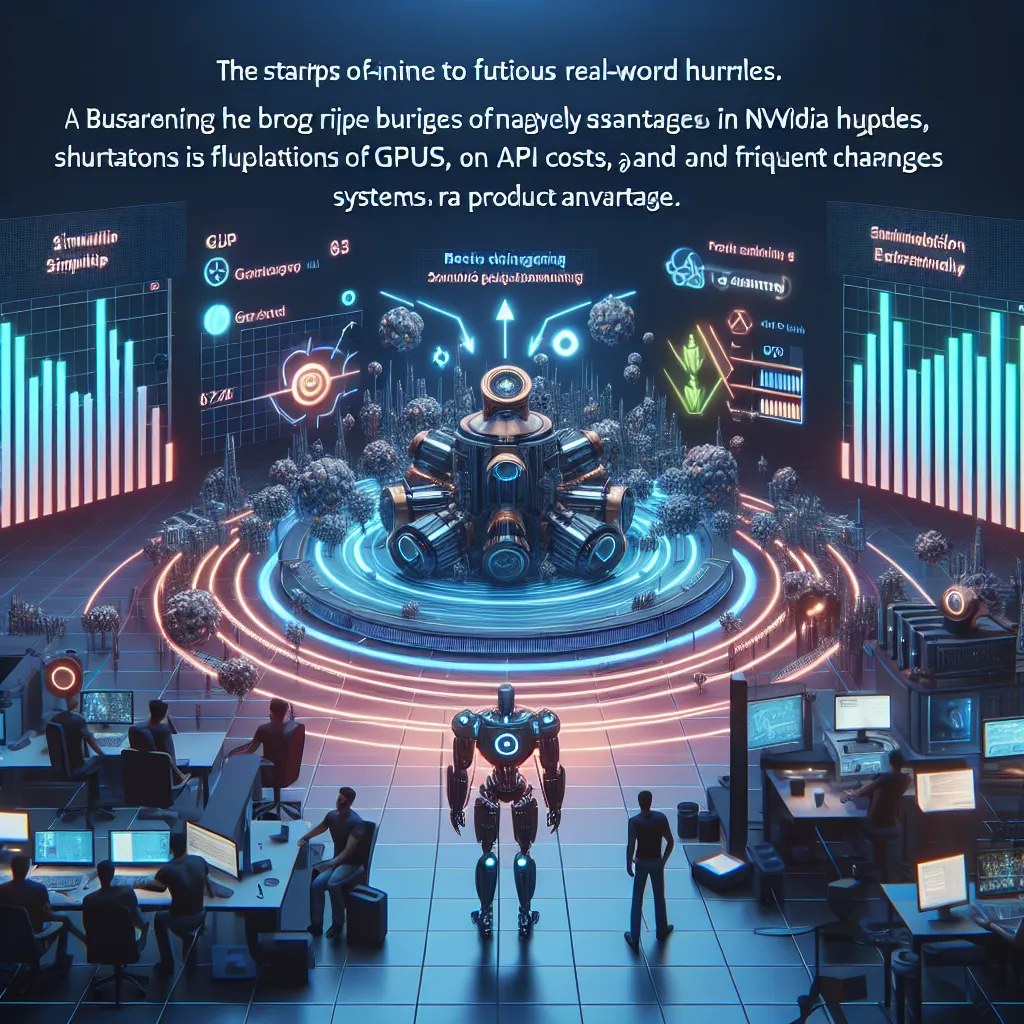
AI success is increasingly defined by access to scarce resources like GPUs, clean data, and elite talent—not just ideas. Yet most startups build under the illusion of abundance. A startup could launch a Scarcity Simulator—an interactive strategy tool that models real-world bottlenecks (e.g. GPU shortages, API cost spikes, talent churn) and simulates how those constraints would impact a team’s roadmap, margins, and product quality. Why now? With compute markets tightening and global supply chains shifting, planning for scarcity is critical. For instance, a robotics startup could use the simulator to realize its business is overly reliant on NVIDIA chips—prompting a pivot toward ARM-based systems and a long-term cost advantage.
Description
No additional description provided.
The Pitch
In the current landscape of AI development, the road to success is increasingly defined by access to limited resources such as GPUs, clean datasets, and highly skilled talent. Despite this reality, many startups continue to operate under the assumption of unlimited resources, which can lead to strategic missteps and resource-related bottlenecks. Recognizing this gap, there is a unique opportunity to develop a tool that helps AI startups strategically navigate these challenges by simulating scenarios of scarcity.
The Concept
Introducing the Scarcity Simulator, an interactive strategy tool designed to emulate real-world constraints that AI-focused startups are likely to encounter. By simulating scenarios such as GPU shortages, increasing API costs, and talent turnover, the simulator provides invaluable insights into how these constraints could affect a company's roadmap, financial metrics, and product quality. This tool empowers teams to proactively plan and adapt their strategies in anticipation of these challenges, rather than being caught off guard.
Why Now?
The timing for such a tool is perfect. As compute markets become more competitive and global supply chains face continuous disruptions, the ability to plan for resource scarcity is becoming an essential skill for startup sustainability. For example, a robotics startup might use the simulator to identify its overdependence on NVIDIA chips, leading to a strategic pivot towards ARM-based systems or other alternatives, ultimately gaining a long-term cost advantage.
Solution and Product Details
The Scarcity Simulator operates by allowing users to input key variables relevant to their business model, including hardware dependencies, talent allocation, and supply chain considerations. The simulator will then model different scenarios, showcasing potential impacts on project timelines, financial metrics, and operational decisions.
Key Features
1. Customizable Inputs: Allow startups to configure the simulator based on their unique needs and dependencies. 2. Real-Time Data Integration: Incorporate market data and trends to ensure simulations reflect the latest industry conditions. 3. Scenario Modeling: Provide multiple potential scenarios to help teams evaluate various strategic options. 4. Actionable Insights: Deliver tailored recommendations for mitigating risks associated with resource constraints.
Tools for Launching an MVP
To build and launch the Scarcity Simulator as a Minimum Viable Product (MVP), consider using the following tools:
1. Development Frameworks: Use platforms like Node.js or Django for backend development to ensure quick iteration. 2. Frontend Libraries: Utilize React or Vue.js for building an intuitive and interactive user interface. 3. Cloud Services: Leverage cloud providers like AWS or Google Cloud for scalable backend support and data integration. 4. Data Visualization: Implement libraries such as D3.js or Chart.js to create engaging and informative visual representations of scenario impacts.
Go-To-Market Strategy
1. Target Audience: Focus on reaching AI and tech startups, particularly those in high-demand sectors like robotics, autonomous vehicles, and machine learning. 2. Partner with Incubators: Collaborate with startup incubators and accelerators to provide early access to the simulator, gaining feedback and building credibility. 3. Content Marketing: Develop thought leadership content highlighting the importance of strategic planning in scarcity conditions to attract a knowledgeable audience. 4. Trial Offers: Offer free trials or freemium access to encourage initial adoption and gather early user feedback.
Business Model
The Scarcity Simulator could adopt a subscription-based model, tailored to the needs of different company sizes and stages. Pricing tiers could range from basic access with limited features to premium tiers offering comprehensive simulations and personalized consultation.
Summary
By helping startups navigate the increasingly complex landscape of AI resource scarcity, the Scarcity Simulator not only offers a valuable strategic tool but also fosters a culture of proactive planning and adaptability. This initiative stands to significantly benefit AI startups by reducing their risk of encountering unanticipated bottlenecks, optimizing their resource allocation, and ultimately facilitating more informed decision-making in an unpredictable world.