Sim Racing Center: Competitive Gaming for Enthusiasts
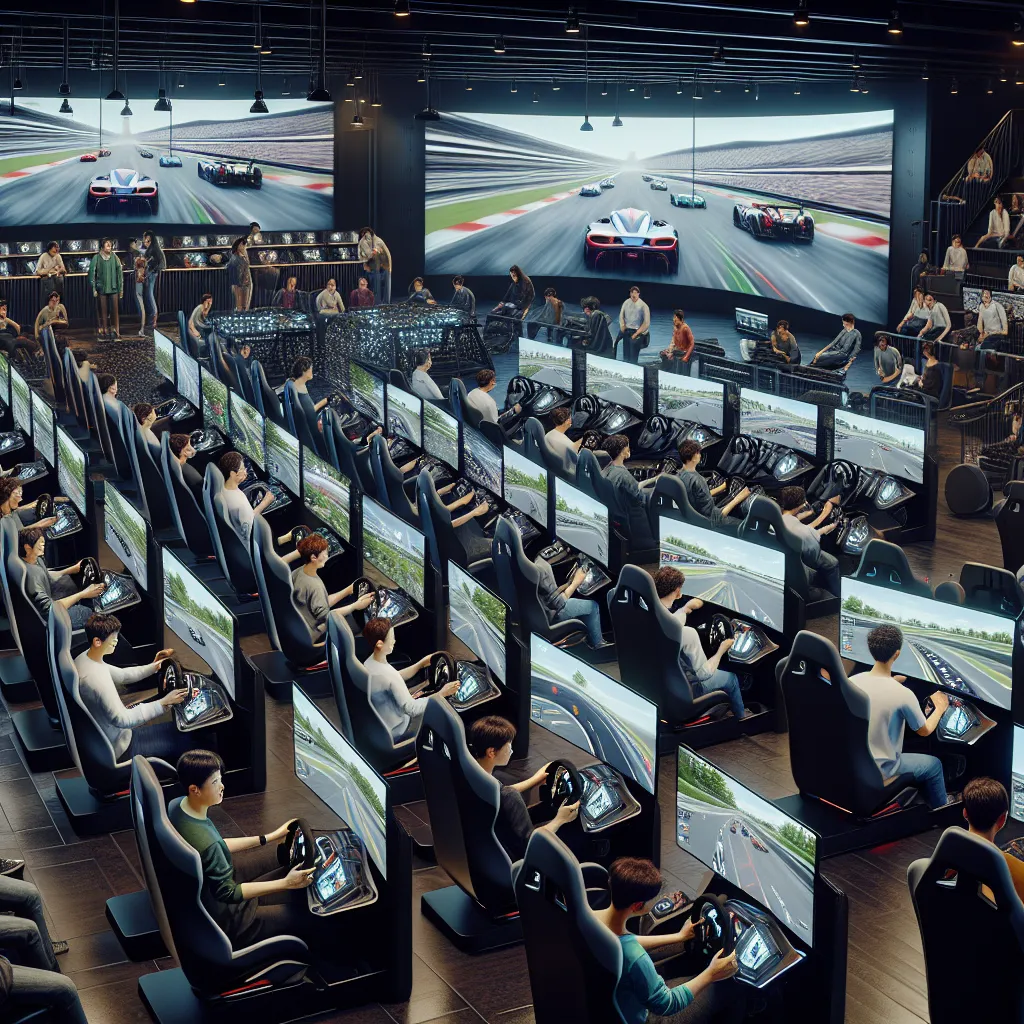
With gaming and e-sports exploding, sim racing is an underdeveloped niche where demand exceeds supply. Opening a sim racing center where customers pay by the hour solves the need for real-world competitive, social gaming experiences. This is a full-on small business opportunity requiring some capital investment. For instance, launching a 10-sim rig facility in a city like Houston could tap into the growing adult and teen gaming crowd at $60 per hour per user.
Description
No additional description provided.
The Pitch
The gaming and e-sports industry has seen a tremendous surge in popularity, becoming a multi-billion-dollar industry with a diverse range of sub-genres. Among these, sim racing is an exciting yet underdeveloped niche that holds high potential for growth. Sim racing combines the thrill of motorsports with advanced gaming technology, offering a unique and immersive experience that appeals to both casual gamers and dedicated racing enthusiasts. Despite its potential, sim racing is still a niche market with more demand than supply, especially for those seeking real-world competitive and social gaming experiences.
Problem: While online racing games provide some level of engagement, they lack the physical, tangible excitement many players desire. Most users do not have access to high-quality racing rigs or the communal atmosphere of real-world racing, leaving a gap in the market. There is a growing interest in competitive and social gaming experiences that current digital solutions do not fully satisfy. This represents an untapped opportunity for entrepreneurs who can successfully merge the digital and physical worlds into a cohesive gaming experience.
Solution: Opening a dedicated sim racing center can address the unmet need for authentic racing experiences. By providing state-of-the-art racing simulators, a social atmosphere, and competitive events, a sim racing center can attract both hardcore and casual racing fans. Customers can pay an hourly rate to race on high-end equipment, participate in tournaments, or simply enjoy social gatherings centered around automotive passion. Such an environment encourages both individual play and community interaction, appealing to a broad demographic including both adults and teens.
Product Details: A typical facility would include around ten sophisticated racing rigs equipped with high-spec screens, steering wheels, pedals, and seating to mimic a true racing experience. These simulators would feature a range of popular racing games and real-world track simulations to provide both variety and realism. The venue could also offer additional amenities such as a lounge area, snack bar, and merchandise shop to enhance the overall customer experience and encourage longer visits.
Tools for Launching an MVP: To effectively launch a Minimum Viable Product, consider the following resources: - High-quality simulator systems from providers like Fanatec and Thrustmaster. - Venue design and layout tools via software like SketchUp to plan the space. - Online booking and payment solutions like Square or Stripe to streamline customer interactions. - Marketing and customer acquisition via social media platforms such as Instagram and Twitch to tap into the gaming community.
Go-To-Market Strategy: The launch strategy should focus on creating local hype and engaging with the sim racing community. This can be done by: - Hosting a grand opening event with promotions and demonstrations. - Collaborating with local gaming influencers and streamers for live events and reviews. - Implementing loyalty programs to encourage repeat business. - Running regular tournaments and special events to maintain customer engagement and interest.
Business Model: The primary revenue stream will be the hourly rental of racing rigs. Additionally, offering memberships or subscription packages can provide consistent income while attracting dedicated customers. Supplementary revenue streams could include selling food and beverages, branded merchandise, and event hosting fees. By focusing on customer experience and community-building, the business can establish a loyal customer base and achieve long-term success.
In conclusion, opening a sim racing center is a promising venture that addresses a gap in the current gaming market, providing both an entrepreneurial opportunity and a unique experience for racing enthusiasts.