Silicon-Free Patch for Seamless Health Monitoring
Chronic illness monitoring is still reliant on bulky wearables or clinic visits, leaving millions underdiagnosed or unmonitored. A startup could create ultra-thin, disposable “computing bandages” that stick to skin, monitor vitals like hydration, glucose, or ECG, and transmit key data via Bluetooth LE. Using 2D-CMOS logic, these patches remain lightweight, low-power, and flexible enough to wear unnoticed. The recent breakthrough in silicon-free 2D computing enables computing directly on skin-compatible substrates. Imagine a diabetic patient using a $1 patch that lasts 3 days and sends alerts to their phone — no needles or bulky hardware required.
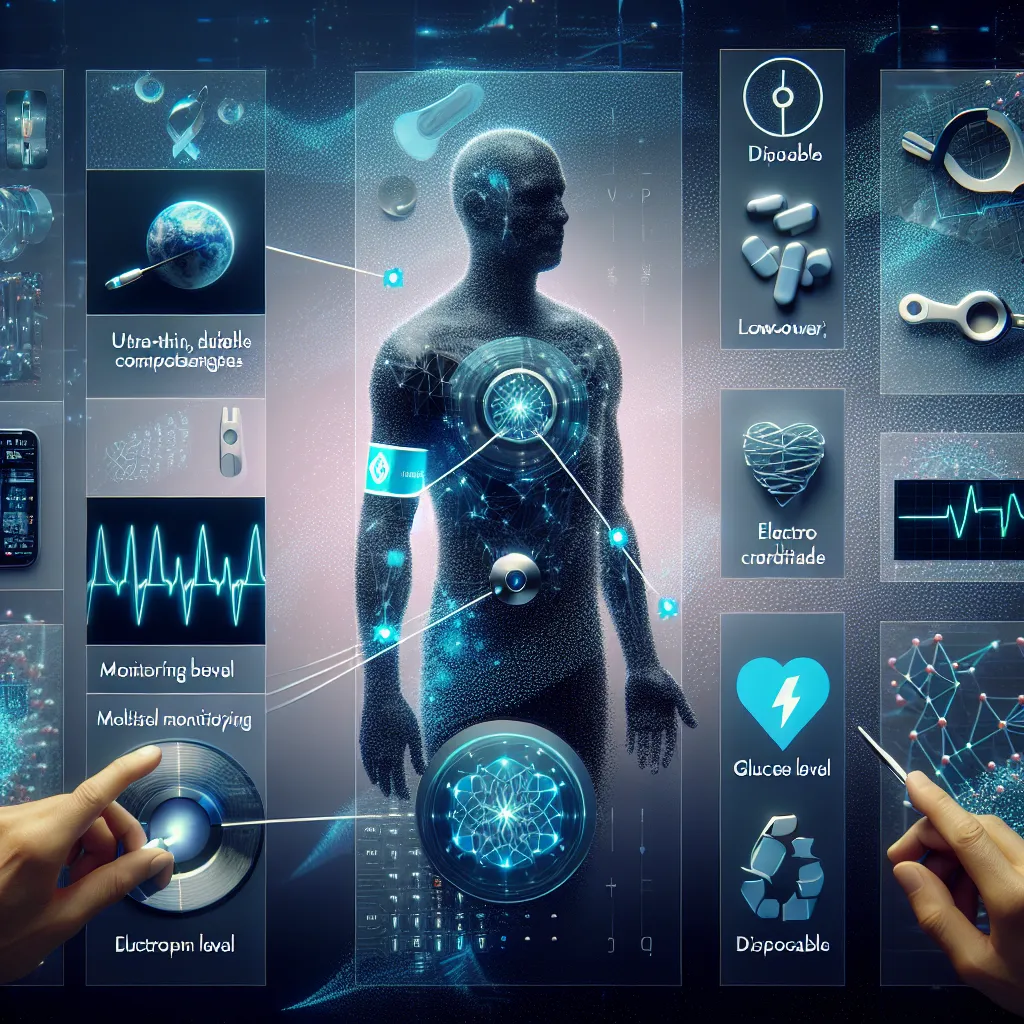
Description
No additional description provided.
The Pitch
In the realm of chronic illness management, a significant challenge persists due to reliance on outdated monitoring systems. Traditional methods, such as bulky wearable devices or frequent clinic visits, often lead to underdiagnosis or inadequate monitoring, impacting the quality of life for millions. To address this, there is a burgeoning opportunity for innovation in the form of ultra-thin, disposable computing bandages. These advanced patches, designed to adhere to the skin, have the potential to transform how we monitor vital health metrics.
## Identifying the Problem
Currently, individuals living with chronic illnesses face numerous barriers with existing health monitoring solutions:
- **Inconvenience**: Regular clinic visits can be time-consuming and disruptive to daily life. - **Accessibility**: High costs and the complexity of use associated with bulky medical devices distance them from the average user. - **User Compliance**: Constant discomfort from current wearable tech can lead to inconsistent usage.
These issues result in a gap in continuous health monitoring, leaving many undiagnosed or improperly managed.
## Innovative Solution
The proposed solution is the development of ultra-thin, disposable computing bandages. These specialized patches can facilitate constant health monitoring while being unobtrusive and cost-effective. Key features include:
- **Flexibility and Comfort**: Made with skin-compatible substrates using 2D computing, they offer a virtually weightless experience. - **Comprehensive Monitoring**: Capable of tracking vital health metrics like hydration levels, glucose levels, and ECG readings. - **Real-time Data Transmission**: Integration with Bluetooth Low Energy (LE) enables seamless data transfer to smartphones, allowing for immediate alerts and health insights. - **Cost-Effectiveness**: Designed to be affordable, with an estimated price of $1 per patch that lasts up to three days.
## Product Details
These bandages harness recent advancements in silicon-free 2D computing, allowing for direct computing on flexible, skin-compatible materials. Unlike traditional wearables, these patches require minimal power and are almost invisible once applied. A diabetic patient, for instance, could use a patch to monitor glucose levels effortlessly, without the need for needles or cumbersome equipment.
Key components include:
- **2D-CMOS Logic**: Ensures low-power consumption and high processing capability. - **Bluetooth LE integration**: Enables effective communication with mobile applications. - **User-centric App Interface**: Offers an intuitive platform for users to monitor their health metrics and receive alerts when necessary.
## Tools for MVP Development
Launching this product involves leveraging modern technological and developmental tools:
- **Flexible Electronics**: Utilization of state-of-the-art printable electronics for creating the substrates. - **Bluetooth Development Kits**: Facilitates the integration of Bluetooth LE capabilities. - **App Development Platforms**: Tools like Flutter or React Native to develop the user-friendly app interface. - **Prototyping and Testing**: Use of rapid prototyping kits for early testing and feedback collection.
## Go-to-Market Strategy
Successfully launching this product requires a strategic approach:
1. **Target Audience Identification**: Focus initially on diabetic patients and athletes requiring continuous monitoring. 2. **Partnerships and Collaborations**: Engage with healthcare providers and technology firms to enhance credibility and facilitate market penetration. 3. **Pilot Programs**: Implement pilot studies in selected demographics to gather data, refine the product, and build case studies. 4. **Marketing Campaigns**: Capitalize on digital marketing and social media to reach target audiences, emphasizing ease of use and affordability. 5. **Regulatory Approvals**: Ensure compliance with healthcare regulations to instill confidence among early adopters.
## Business Model
The business model centers around affordability and accessibility:
- **Subscription Models**: Offer a subscription-based service for regular supply of patches to ensure user convenience and retention. - **B2B Partnerships**: Collaborate with clinics and healthcare providers for bulk supplies. - **Data Monetization**: Anonymized data can be used to create insights for healthcare research, providing an additional revenue stream.
## Conclusion
The concept of computing bandages has the potential to redefine chronic illness monitoring by bridging the gap between sophisticated health tracking and user convenience. By focusing on ease of use, affordability, and continuous monitoring, this innovation represents a significant step forward in making healthcare more accessible to those who need it the most.