Sensory Signals: Reimagining Digital Notifications
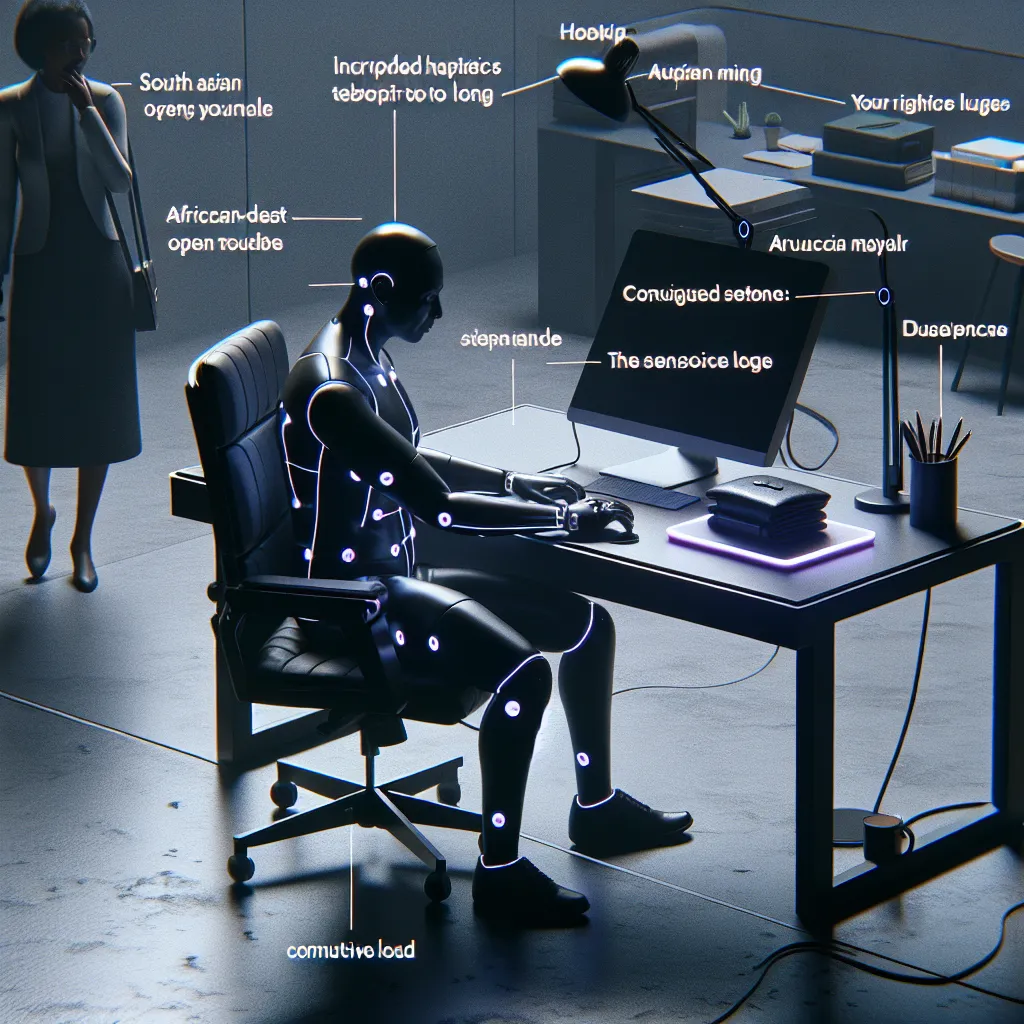
Notifications hijack attention because they’re abstract and urgent. This company replaces alerts with physical sensations embedded into everyday objects: a desk surface that subtly tightens when you’ve been sedentary too long, a wallet that becomes harder to open as spending increases, a lamp that dims based on cognitive overload. No screens, no sounds, no data feeds — just bodily feedback. The insight is that humans evolved to respond to physical signals, not pop-ups. As consumers reject digital noise but still want guidance, sensation-based products become the next interface layer.
Description
No additional description provided.
The Pitch
In today's fast-paced digital world, notifications have become an integral part of our daily lives. However, their abstract and urgent nature often leads to attention hijacking and cognitive overload. This overview presents a novel approach to notification systems by replacing traditional alerts with physical sensations embedded into everyday objects. These sensory feedback interfaces aim to provide guidance without the disruptive effects of screens, sounds, or data feeds, leveraging the human evolutionary response to physical signals.
Backstory
As digital technology became more prevalent, notifications emerged as essential tools for keeping users informed. However, their pervasive presence has led to unintended consequences such as constant distractions and increased stress levels. This issue is compounded by the growing awareness and rejection of digital noise, leading consumers to seek more mindful and less intrusive ways of receiving information.
Problem
Traditional notifications can disrupt focus and lead to fragmented attention, negatively impacting productivity and mental well-being. The abstract nature of digital alerts often leaves users feeling overwhelmed and unable to prioritize effectively. As digital saturation continues to rise, there is an urgent need for a solution that aligns with the human inclination for tangible, physical signals.
Solution
Sensory feedback interfaces offer an innovative solution by incorporating physical sensations into everyday objects to convey information seamlessly and intuitively. By moving away from digital displays, these interfaces reduce cognitive overload and enhance user mindfulness. For example:
- A desk surface that subtly tightens to encourage movement after prolonged sedentary periods. - A wallet that becomes harder to open as spending approaches personal limits, promoting financial awareness. - A lamp that dims in response to cognitive overload, signaling the need for a break.
Product Details
The sensory feedback system is designed to integrate seamlessly into existing environments. Each product is embedded with sensors and microcontrollers that detect specific user behaviors or external conditions. These systems translate data into physical sensations, utilizing actuators for movement or material changes to convey messages. A focus on aesthetic design ensures the products blend naturally into daily life.
Tools for MVP Launch
To develop and launch a Minimum Viable Product (MVP), the following tools and technologies can be leveraged:
- Arduino or Raspberry Pi microcontrollers for prototyping sensor networks. - Actuators and smart materials to deliver physical feedback. - Low-energy Bluetooth connectivity for seamless integration with smart devices. - User testing platforms to gather feedback and refine product functionality.
GTM Strategy
The go-to-market strategy involves targeting early adopters who are tech-savvy and mindful of digital wellness. Key channels include:
- Collaborations with lifestyle and tech influencers to demonstrate product use and benefits. - Engaging content marketing focused on digital detox and mindful living. - Partnerships with retailers prioritizing innovation and well-being products. - Crowdfunding platforms to raise awareness and secure early funding.
Business Model
The business model revolves around a direct-to-consumer approach combined with strategic retail partnerships. Revenue streams include:
- Sales of sensory feedback products. - Subscription-based access to premium app features that enhance product functionality and customization. - Optional support services such as installation and personalized setup.
Conclusion
As consumers increasingly seek alternatives to digital noise, sensory feedback interfaces offer a compelling solution that aligns with human evolutionary preferences for physical signals. By embedding subtle sensations into everyday objects, these products provide meaningful and intuitive guidance, enabling users to focus on what truly matters.