Self-Regulating Climate Skin for Buildings
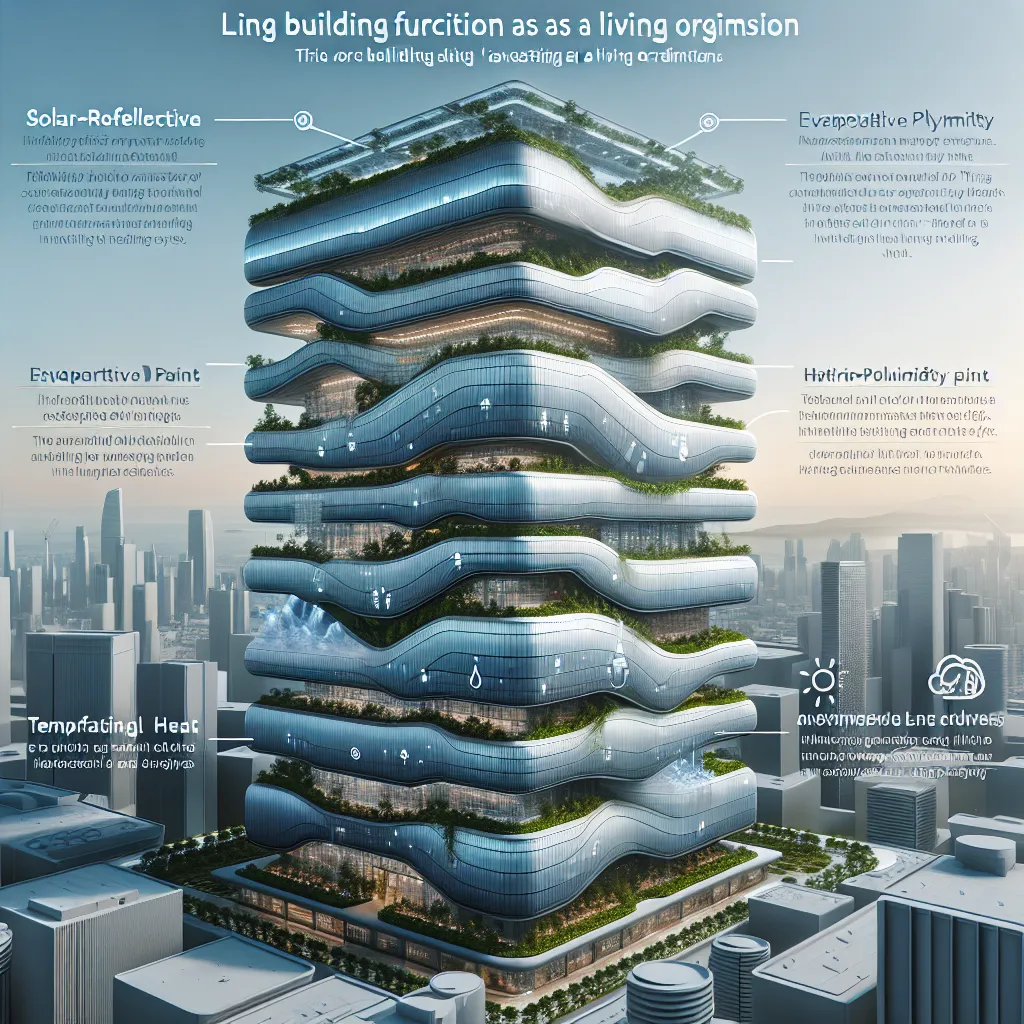
What if your building’s outer layer acted like living skin—sensing heat, absorbing humidity, and releasing water when needed? This startup would engineer a bio-mimetic façade system: multi-layered panels coated with evaporative, solar-reflective paint + embedded temperature/humidity sensors + microfluidics. In extreme heat, the panels “sweat”; in cooler temps, they seal shut. Entire buildings could adapt to outdoor conditions in real time, reducing HVAC dependency by 60%+. Think of it like Tesla’s self-healing software updates—but for physical building materials. Technically feasible by combining existing paint tech with responsive polymers and IoT micro-valves. No one is productizing this yet because until now, paints couldn’t dynamically “respond” in a useful way. The building becomes a living, breathing system.
Description
No additional description provided.
The Pitch
Imagine a future where buildings can adapt to their environments, much like living organisms. This isn't just a futuristic concept—it's a practical solution to energy inefficiency and environmental impact. The vision is to create a building façade system that mimics living skin, capable of sensing external conditions and adjusting itself accordingly. This system addresses the prevalent problem of high energy consumption in climate control systems, which constitutes a significant portion of a building's energy usage.
The problem at hand is the inefficiency of traditional building materials in responding to changing weather conditions, leading to an over-reliance on heating, ventilation, and air conditioning systems. This not only results in high energy bills but also contributes to significant carbon emissions.
The solution lies in developing a bio-mimetic façade system featuring multi-layered panels. These panels will be coated with advanced evaporative, solar-reflective paint that changes its properties based on temperature and humidity. Embedded within are temperature and humidity sensors, along with microfluidic systems, allowing the façade to sweat during extreme heat by releasing water and to seal shut in cooler conditions. The real-time responsiveness of this system could dramatically reduce HVAC dependency by over 60 percent, creating more sustainable and energy-efficient buildings.
The product entails several cutting-edge technologies. First, the application of solar-reflective and evaporative paint that has been enhanced with responsive polymers. These polymers alter their structure based on environmental conditions. Second, the integration of IoT-enabled micro-valves and sensors that gather and respond to data about the environment. This combination allows the building to adjust itself much like a living system, intelligently managing temperature and humidity.
Launching this as a Minimum Viable Product (MVP) involves leveraging existing technologies in paint and material science while incorporating IoT solutions. A practical approach would be to partner with companies specializing in advanced materials and IoT technology. Prototyping can be streamlined using platforms like Arduino or Raspberry Pi for sensor integration, combined with software such as MATLAB or Python for data analysis and control systems development.
For the go-to-market (GTM) strategy, targeting commercial real estate developers and architectural firms leading sustainable urban development projects would be ideal. Demonstrating pilot projects or case studies showcasing the energy savings and environmental benefits could drive initial adoption. Building strategic partnerships with green building certification bodies can also enhance credibility and market reach.
The business model can incorporate various revenue streams, including direct sales of the façade system, subscription services for ongoing maintenance and updates, and licensing of the technology to building material manufacturers. Additionally, offering energy-saving performance contracts could align financial incentives with building owners and operators, sharing energy cost savings.
In conclusion, transforming buildings into adaptive systems not only presents a substantial opportunity for innovation in the construction industry but also contributes significantly to sustainable development goals. As this vision becomes a reality, it holds the potential to redefine the relationship between buildings and their environments, setting a new standard for energy efficiency and sustainability.