Self-Healing Microbots Revolutionize Infrastructure Maintenance
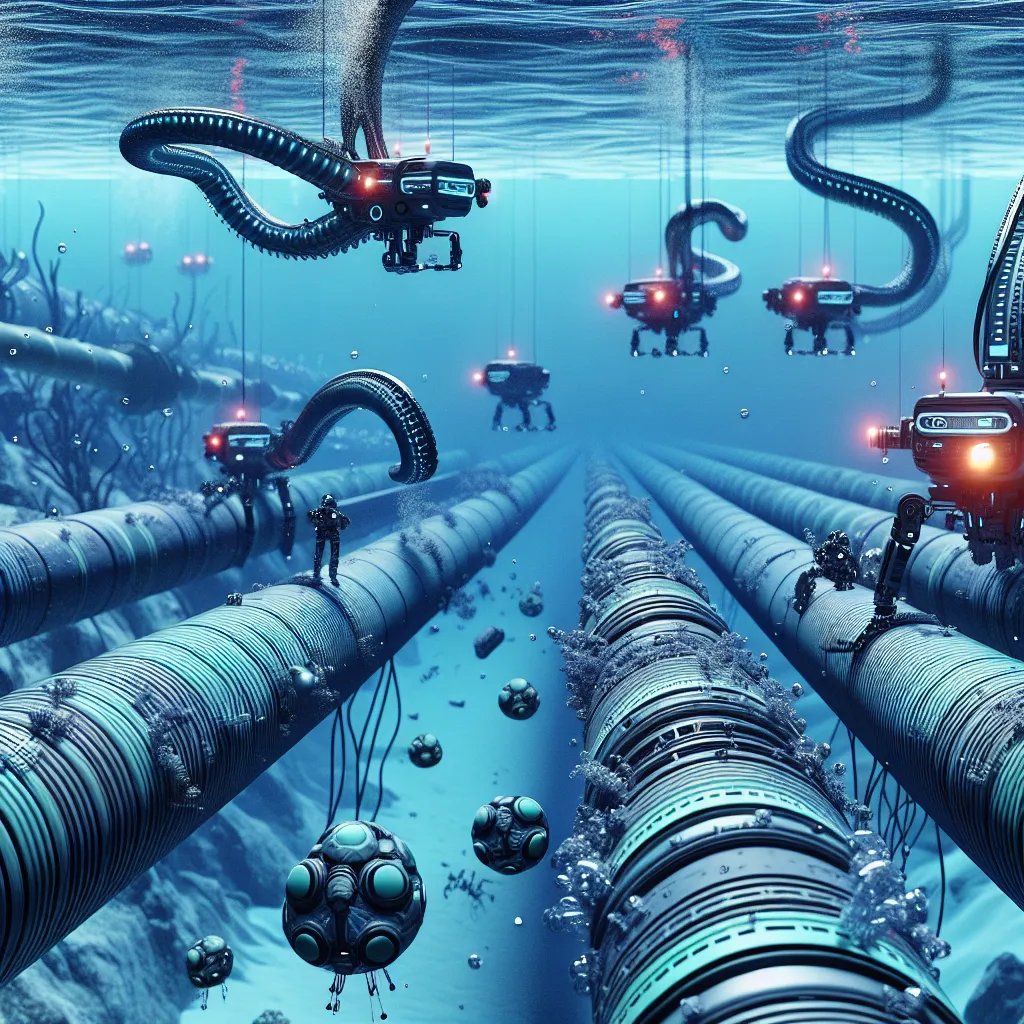
Pipelines and underwater cables suffer from degradation, but repair bots deployed today are fragile and prone to failure in extreme environments. Solution: Create snake-like or micro-robots for infrastructure inspection that self-heal minor damage caused by harsh chemicals, pressure, or abrasion, allowing extended missions without retrieval. Why now: Infrastructure is aging and maintenance costs are skyrocketing. Self-healing materials make longer, riskier, and less frequent repair trips possible. Example: An oil company deploys swarms of inspection microbots into pipelines that autonomously fix small punctures and abrasions, reducing the need for expensive and dangerous human inspections.
Description
No additional description provided.
The Pitch
The degradation of critical infrastructure, such as pipelines and underwater cables, presents a growing challenge. Existing solutions, primarily repair bots, often prove ineffective due to their fragility and propensity for failure in extreme environments. The pressing need for a more robust, reliable solution has prompted the exploration of advanced robotic technologies capable of enduring harsh conditions while offering efficient maintenance services.
The Problem
Aging infrastructure is becoming increasingly difficult and expensive to maintain. In particular, pipelines and underwater cables, essential for transporting resources and data, suffer wear and tear from harsh chemicals, high pressure, and abrasive conditions. Traditional inspection and repair methods involve deploying human divers or sophisticated machines, both of which are risky and costly. Moreover, current repair bots lack the resilience needed for long-term missions, often requiring frequent retrieval and repair themselves.
The Solution
To address these challenges, the proposed solution involves the development of snake-like or micro-robots for infrastructure inspection. These robots incorporate self-healing materials, enabling them to fix minor damages experienced during their missions autonomously. By utilizing self-repairing capabilities, these robots can withstand harsh environments, extend their operational lifespan, and reduce the frequency of retrieval operations. This not only lowers maintenance costs but also minimizes human risk by limiting direct exposure to dangerous conditions.
Product Details
The inspection robots are designed with flexibility and adaptability in mind. They can mimic the movement of a snake, allowing them to navigate complex and confined spaces such as pipelines or between cables. The robots are equipped with sensors to identify damages and self-healing materials that let them address minor issues autonomously. This capability ensures that the robots remain operational for extended periods, significantly increasing their inspection range and effectiveness.
Body materials that can recover from abrasions or cuts, coupled with adaptive software, allow these robots to conduct thorough inspections and perform minor repairs without immediate human intervention. Synchronized operation in swarms adds to their effectiveness, ensuring comprehensive coverage of vast infrastructure networks.
Tools for MVP Launch
Developing an MVP for these inspection robots can be streamlined with the use of various tools and technologies:
1. Robotics Platforms - Use platforms like ROS (Robot Operating System) for developing robotic functionalities and controlling complex operations.
2. 3D Printing - Employ 3D printing technology for rapid prototyping, allowing for quick iterations in robot design and material testing.
3. Self-Healing Materials - Collaborate with research institutions to integrate the latest self-healing polymer technologies into the robot's design.
4. AI and Machine Learning - Implement AI for enhanced navigation and decision-making capabilities, allowing robots to autonomously detect and repair minor infrastructure issues.
GTM Strategy
The Go-To-Market strategy focuses on targeting industries heavily reliant on extensive infrastructure networks, such as oil and gas, underwater communications, and public utilities. Initial efforts should focus on building partnerships with leaders in these sectors to conduct pilot programs, demonstrate the technology's efficacy, and gather feedback.
Key tactics include:
- Attending industry conferences and engaging in speaking opportunities to raise awareness. - Publishing case studies and success stories from pilot implementations. - Offering attractive trial packages for early adopters to build trust and credibility.
Business Model
The business model will focus on a subscription-based offering, where companies pay a recurring fee for the deployment, operation, and maintenance of the inspection robots. Additionally, customized solutions can be provided for specific industries, allowing for tailored services that meet unique demands.
Cost savings from decreased human intervention and extended inspection periods offer substantial ROI for subscribing companies. Licensing agreements can also be considered, where industries with unique operational requirements can integrate technology into their existing systems.
Conclusion
The development of self-healing inspection robots presents a transformative opportunity to address the growing challenges of infrastructure degradation. By combining innovative materials and advanced robotics, we can offer a solution that enhances safety, reduces costs, and increases the longevity of vital infrastructure. As infrastructure maintenance undergoes this pivotal shift, early adopters and investors have the chance to participate in a new wave of technological advancement that promises long-term societal benefits.