Self-Healing Exosuits Revolutionize Heavy Industry Operations
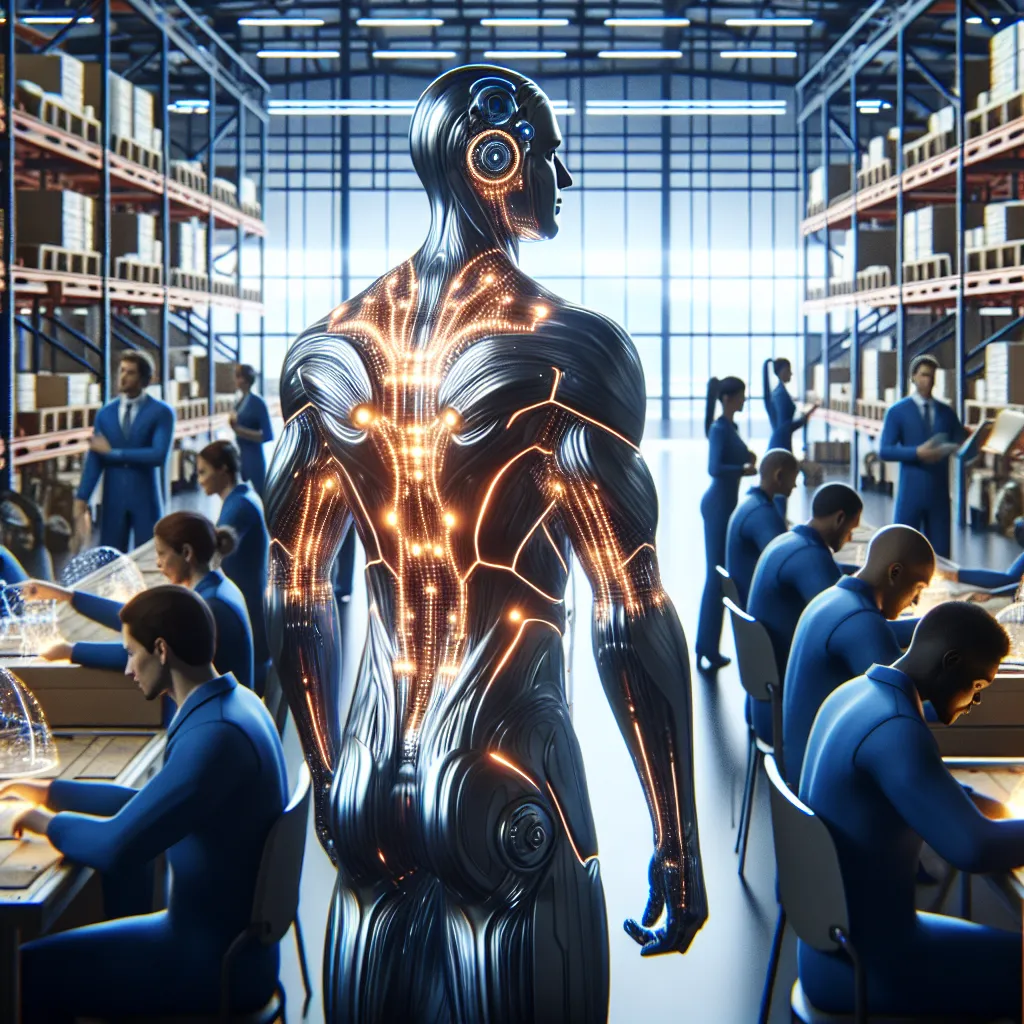
Heavy industries rely on exoskeletons to reduce worker strain, but current devices are prone to wear-and-tear and require costly downtime for repairs. A malfunction in critical moments can cause accidents or halt operations. Solution: Introduce self-healing robotic exosuits using artificial muscles that can autonomously repair minor tears and stress damage, minimizing maintenance. Why now: Labor shortages and rising demand for automation make durable, low-maintenance assistive tech urgent. Self-healing polymers have advanced, but no exosuit integrates autonomous repair. Example: A logistics company outfits warehouse staff with exosuits that maintain performance even after minor damage, preventing costly replacements and downtime, enabling continuous operation without human intervention.
Description
No additional description provided.
The Pitch
In the world of heavy industries, where efficiency and worker safety are paramount, the use of exoskeletons has become a standard practice. These devices are designed to reduce physical strain on workers, enhancing productivity and safeguarding health. However, existing exoskeletons face significant challenges: frequent wear-and-tear, costly downtime for repairs, and the risk of malfunction during critical operations. Such issues not only disrupt workflow but also pose safety risks.
To address these challenges, we propose the development of self-healing robotic exosuits. These innovative suits would leverage the latest advancements in artificial muscles and self-healing polymers, enabling autonomous repair of minor tears and stress damage. By minimizing the need for maintenance, these exosuits would ensure continuous operation, enhancing both safety and efficiency in industrial environments.
The timing for this innovation is ripe. Industries are grappling with labor shortages and an increasing demand for automation. There is a pressing need for durable, low-maintenance assistive technology that can support a leaner workforce while maintaining high productivity levels. Although self-healing polymers have made significant progress, no current exosuit on the market integrates this feature for autonomous repair, presenting a clear opportunity for technological advancement and market leadership.
Imagine a logistics company outfitting its warehouse staff with these advanced exosuits. Even after sustaining minor damage, the suits would maintain their performance, eliminating the need for costly replacements or downtime. Operations could continue without interruption, leading to increased efficiency and contributing to a safer work environment for employees.
In terms of product development, the focus would be on incorporating cutting-edge materials that enable self-repair, alongside artificial muscles that provide flexible and responsive movement. Partnering with experts in materials science and robotics will be crucial to refine these components and ensure they work seamlessly together.
For launching this as a minimum viable product, tools such as rapid prototyping kits and robotic design software will be instrumental. Open-source platforms can facilitate initial development, while partnerships with research institutions could provide the technical expertise and testing environments necessary for rigorous product evaluation.
The strategy for taking this product to market will focus on targeting large industrial sectors that can benefit most from the technology, such as manufacturing, logistics, and construction. Establishing pilot programs with key industry players will help demonstrate the value of the product and generate early traction. Marketing efforts will emphasize the unique self-healing capabilities and the long-term cost savings from reduced maintenance and downtime.
The business model will likely involve direct sales and leasing options to industrial clients, combined with long-term service contracts for monitoring and support. There could also be an opportunity for a subscription model for software updates and upgrades that enhance the exosuits’ functionality over time.
By integrating self-healing capabilities into exoskeletons, we aim to revolutionize industrial work environments, ensuring both safety and efficiency. This technology promises not only to enhance productivity but also to redefine the role of assistive tech in heavy industries, aligning with current trends toward sustainable and automated operations.