Self-Governing AI City (Autonomous Civic OS)
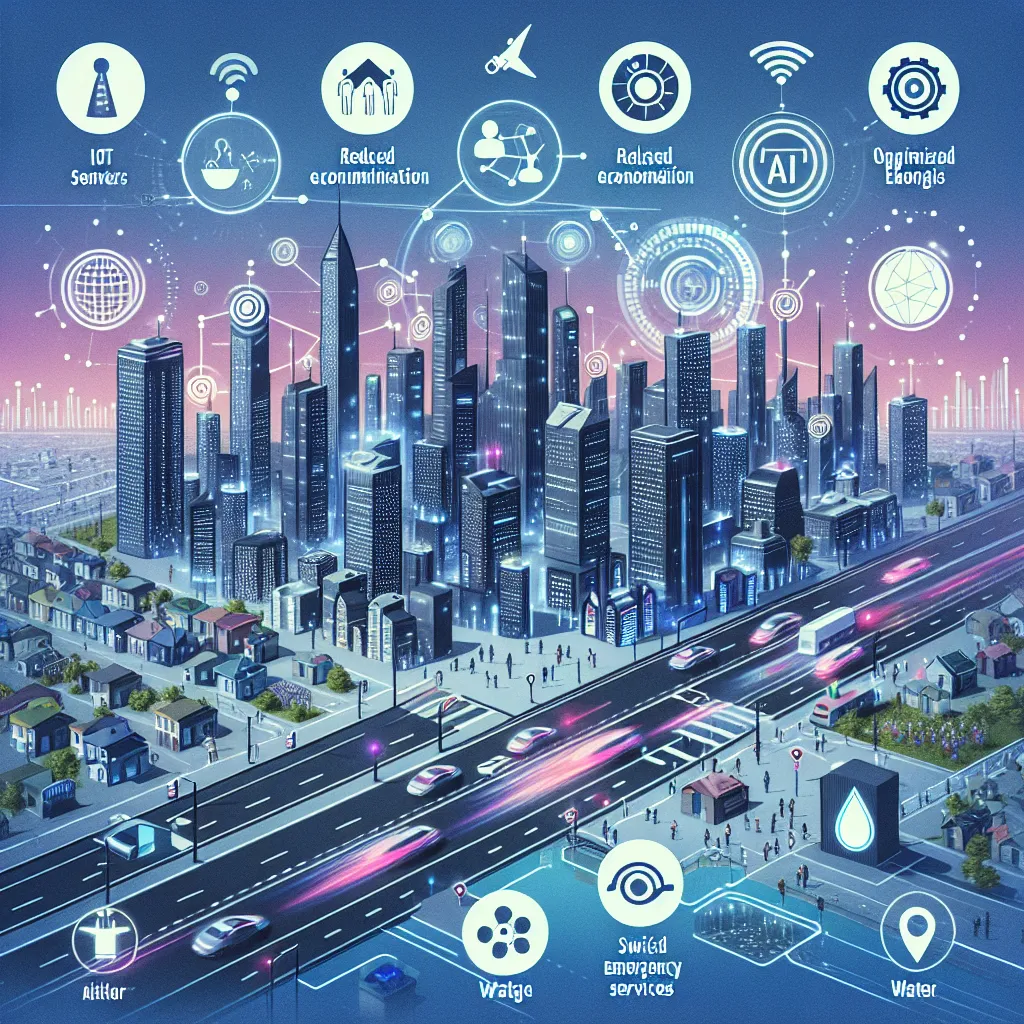
Cities are messy — budget allocation, traffic, utilities, and crisis response are slow and political. The solution: a Self-Governing Civic OS — an AI that manages city infrastructure in real time: budgets, traffic, resource allocation, emergency services. Why now? IoT sensors, autonomous vehicles, and LLM-driven planning make dynamic city management achievable. Example: A new smart city reduces traffic jams by 50%, balances budgets, optimizes water and energy use, and shortens 911 response times — all managed by an autonomous AI governance system, no mayor required.
Description
No additional description provided.
The Pitch
In today's rapidly urbanizing world, the complexities of city management have escalated to unprecedented levels. The intricate web of responsibilities, from budget allocation to traffic control, utility management to crisis response, often results in inefficiencies that can hamper a city's growth and the well-being of its residents. Traditionally, these tasks have been managed through slow and often politicized processes that can't keep pace with the dynamic needs of modern urban environments.
The pressing issue lies in the traditional governance structures that struggle to adapt to the ever-evolving demands of city life. Political constraints and bureaucratic procedures often lead to delays and resource mismanagement, affecting everything from traffic congestion to emergency response times. This inefficiency can cause frustration among residents, business stagnation, and even safety concerns in emergencies.
Enter the concept of a Self-Governing Civic Operating System. This innovative solution involves an AI-driven platform designed to autonomously manage and optimize city infrastructure and services in real-time. By leveraging advanced technologies such as IoT sensors, autonomous vehicles, and large language model-driven planning, this system can dynamically respond to the needs of the city, allocating resources efficiently and making data-driven decisions that enhance operational effectiveness.
For instance, in a smart city equipped with this system, AI could reduce traffic jams substantially by adjusting traffic signals and routes in real-time. It could also balance budgets by monitoring and reallocating resources where they are most needed, optimize water and energy consumption through predictive analytics, and improve emergency services by shortening 911 response times through real-time data processing—achieving more with less human oversight and typically without the need for a traditional mayoral position.
Building such a solution requires a confluence of technologies and strategic planning. Product details for a Minimum Viable Product could include the integration of urban IoT devices for real-time data collection, AI algorithms for decision-making and resource allocation, and real-time dashboards for oversight and monitoring. Key tools and technologies might encompass cloud services for scalable computing and storage, machine learning platforms for predictive analytics, and communication protocols for seamless data transmission between devices and systems.
To bring this revolutionary concept to market, a structured go-to-market strategy is essential. This can include partnerships with technology companies for infrastructure support, pilot programs with smaller cities to showcase the system's effectiveness, and collaborations with government bodies to gain insight and regulatory support. Market penetration could be bolstered with case studies demonstrating tangible benefits such as reduced traffic congestion, improved emergency response times, and effective resource management.
The business model for a Self-Governing Civic Operating System could involve a subscription-based licensing fee charged to city governments or urban developers, providing continuous updates and support. Additionally, there could be opportunities for revenue through data analytics services offered to businesses and urban planners seeking insights into city dynamics.
Overall, the push for smart city solutions is not just timely but necessary, given the technological advancements available and the growing need for efficient urban management. The vision of an autonomously managed city, free from the limitations of traditional governance but firmly rooted in data and innovation, is both achievable and beneficial for the cities of tomorrow.