Selective-Memory AI Therapist: Privacy-First Mental Health Solution
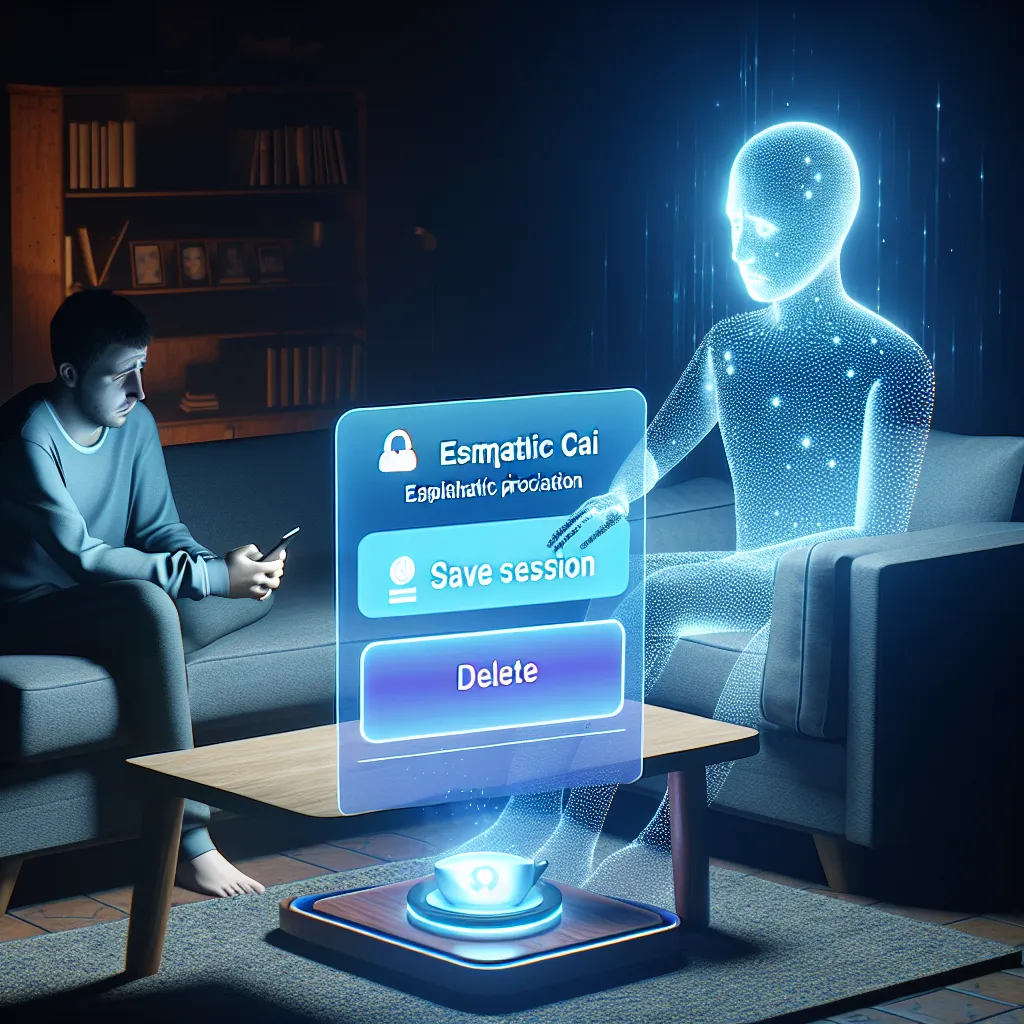
Most AI therapy tools store user interactions indefinitely, creating a privacy risk for people sharing deeply personal, emotional content. This permanence makes users hesitant to open up, fearing future misuse, resurfacing trauma, or lack of control over their emotional data. A selective-memory AI therapist solves this by giving users full authority over what the AI remembers. Sessions are forgotten by default unless explicitly saved by the user. With AI regulation tightening and growing distrust around data usage in mental health apps, tools that prioritize privacy and emotional safety will stand out. For example, someone uses the AI to talk through a panic attack at 3am, then deletes the session once they feel better—ensuring that moment of vulnerability is truly gone.
Description
No additional description provided.
The Pitch
In recent years, the rise of AI-driven therapy tools has revolutionized mental health care by providing immediate, affordable access to counseling. However, a significant challenge that persists is the issue of data privacy. Most AI therapy platforms store user interactions indefinitely. This practice poses a risk to users who share deeply personal and emotional content, leading to reluctance and distrust. People are understandably concerned about their information being misused in the future, unintentionally resurfacing past traumas, or not having control over their own emotional data.
**The Problem**
The main issue is the permanence of user data within these AI platforms. Individuals engaging with these tools want the security and freedom to speak candidly without the haunting notion that their conversations are permanently recorded. With AI technology evolving and data regulations becoming stricter, mental health apps face growing pressure to ensure user data privacy while maintaining their therapeutic effectiveness.
**The Solution**
The proposed solution is a selective-memory AI therapist that gives users complete control over what the AI remembers. Sessions are forgotten by default and only retained if the user explicitly chooses to save them. This feature addresses the crucial need for privacy, encouraging users to open up without fear of long-term repercussions.
**Product Details**
- **Default Forgetting Protocol**: All interactions are automatically erased unless a user opts to save specific sessions.
- **User-Controlled Memory**: Users can decide during or after the session whether they wish to save or permanently delete the conversation.
- **Data Encryption**: All data, temporary or saved, is encrypted to protect user privacy.
- **User Interface**: A simple, intuitive interface prompts users to review and choose what to retain or discard after each session.
**Tools for MVP Development**
- **Machine Learning Frameworks**: Use TensorFlow or PyTorch to train empathy-driven conversational models capable of understanding and interacting with users effectively.
- **Data Encryption Services**: Incorporate robust encryption protocols such as AES or RSA to secure any temporarily stored data.
- **Cloud Services**: Platforms like AWS or Google Cloud can provide the necessary infrastructure for scalable deployment.
- **API Integration**: Build and integrate APIs for seamless communication and data management between the app and cloud services.
**Go-to-Market Strategy**
- **Target Audience**: Focus on privacy-conscious users and those who have been previously hesitant to adopt mental health apps due to data concerns.
- **Partnerships**: Form alliances with mental health professionals and organizations to gain credibility and reach.
- **Digital Campaigns**: Leverage social media and digital advertising to share stories of empowerment and privacy in mental health conversations.
- **Educational Content**: Provide resources that explain the importance of data privacy in mental health and how this app addresses those needs.
**Business Model**
- **Freemium Model**: Offer basic features for free, with premium options for advanced functionalities, personalized insights, and additional memory.
- **Subscription Plans**: Implement tiered pricing based on access to additional tools, such as advanced analytics and personalized session recommendations.
- **Partnerships for Revenue Sharing**: Collaborate with mental health organizations and resources for mutual benefit and potential revenue sharing.
This privacy-first approach positions the selective-memory AI therapist as a unique entrant in the mental health app market, emphasizing control, trust, and security.