Seasonal Energy Vaults for Balanced Grid Reliability
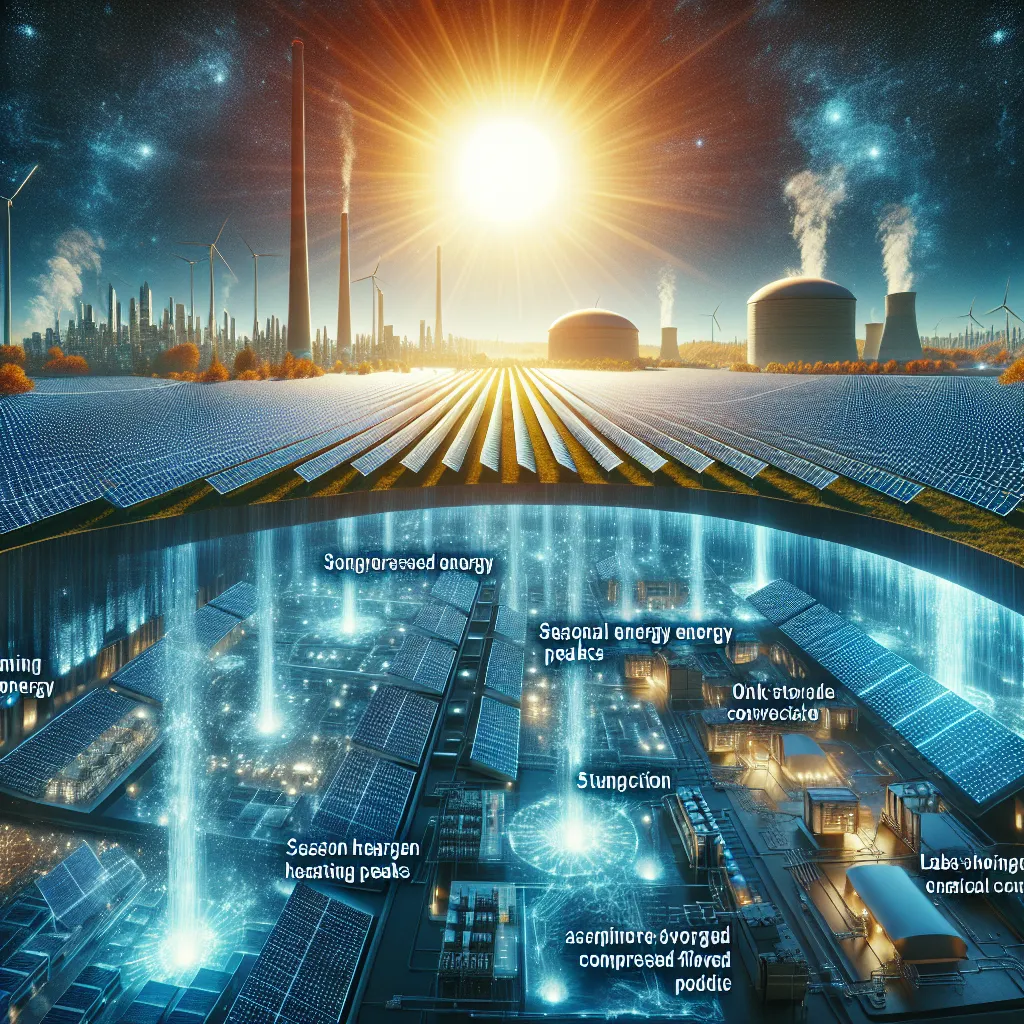
Solar energy floods the grid in summer and disappears in winter, a mismatch batteries alone can’t economically solve. Seasonal energy vaults store surplus energy for months using long-duration methods like underground thermal storage, compressed media, or chemical conversion optimized for seasonal cycles. This becomes necessary as solar penetration rises and curtailment increases. A city could bank excess summer energy and draw it back during winter heating peaks, reducing reliance on fossil backup without overbuilding generation.
Description
No additional description provided.
The Pitch
As renewable energy adoption increases, managing the disconnect between energy generation and consumption becomes more critical. Solar energy, a major player in this transition, presents a significant challenge: it generates more power in summer months than in winter. This seasonal discrepancy creates an energy supply and demand mismatch. Traditional battery solutions are not economically viable for storing energy over extended periods, which necessitates innovative long-duration storage solutions.
The Problem The increasing share of solar power in the energy grid has brought about the issue of energy curtailment during peak generation periods, primarily in summer. This surplus energy, if not utilized or stored, is essentially wasted. During winter, when solar generation is insufficient, there's a dependency on fossil fuels to meet energy demands, especially for heating. This results in inefficiencies and counteracts efforts to reduce carbon emissions. The core problem is the lack of cost-effective and scalable energy storage solutions capable of bridging the seasonal energy generation and consumption gap.
The Solution Seasonal energy vaults provide a viable and sustainable solution to this problem. These systems are designed to store excess energy generated during high-production months and release it during low-production periods. Utilizing methods such as underground thermal storage, compressed media, or chemical conversion, these vaults can efficiently and economically manage energy over seasonal cycles.
Product Details and Launch Tools The development of seasonal energy vaults involves integrating proven long-duration storage technologies with innovative approaches to scalability and efficiency. Key features of the product include:
1. Underground Thermal Storage: Captures heat in large underground reservoirs, utilizing geological formations to maintain energy stability over months. 2. Compressed Media Storage: Stores energy by compressing air or other gases, which is later expanded to generate power. 3. Chemical Conversion: Converts surplus energy into chemical energy, like hydrogen, to be reconverted into electricity when needed.
To facilitate the development and launch of this product as a Minimum Viable Product (MVP), several tools and platforms can be leveraged:
1. Simulation Software: Use simulation tools to model and optimize the storage systems. 2. Cloud Platforms: Utilize cloud-based analytics to monitor and analyze performance data in real-time. 3. Prototyping Tools: Rapid prototyping tools for creating initial models and testing different storage technologies.
Go-to-Market (GTM) Strategy The GTM strategy for seasonal energy vaults would involve:
1. Target Market Identification: Initially focus on cities with high solar power penetration and significant seasonal energy demand differences. 2. Partnership Development: Collaborate with local governments, utility providers, and renewable energy companies to pilot and demonstrate effectiveness. 3. Awareness Campaigns: Conduct awareness campaigns highlighting the environmental and economic benefits of seasonal energy vaults. 4. Policy Advocacy: Engage with policymakers to promote incentives and regulatory support for long-duration energy storage solutions.
Business Model The business model for seasonal energy vaults could be constructed around these key components:
1. Subscription-based Energy Storage: Offer subscription models for cities and utilities to access storage capacity. 2. Infrastructure as a Service (IaaS): Provide the vaults as a managed service, overseeing operations and maintenance. 3. Performance Contracts: Engage in contracts based on energy savings and carbon reduction, sharing the financial benefits with clients. 4. Leasing Models: Lease the storage infrastructure to reduce upfront costs for customers, making adoption more feasible.
By addressing the seasonal energy storage challenge, seasonal energy vaults stand to revolutionize the way cities balance renewable energy generation and consumption, ultimately paving the path toward a sustainable and fossil-free future.