Seamless Commerce Platform for Creator-Led Brands
Creator-led brands are exploding—YouTubers selling skincare, podcasters launching coffee lines, fitness influencers building supplement stacks. But behind the scenes, these solo founders are duct-taping Shopify, Stripe, spreadsheets, tax tools, affiliate links, and legal docs—none of which talk to each other. The friction slows growth and leads to burnout. The opportunity is a vertically integrated commerce OS purpose-built for creator-led brands. This compound software bundles storefront creation, embedded payments, influencer payouts, UGC licensing, sales tax handling, and automated fulfillment—all through one dashboard. With Stripe Apps and plug-and-play fintech APIs, this is finally feasible. Imagine a fitness creator launching a branded gear line: they can onboard creators as affiliates, track content ROI, send payments, and stay compliant—no Zapier or ops hire required. Pietra and Fourthwall scratch the surface, but no one owns the creator-commerce back office as a seamless stack.
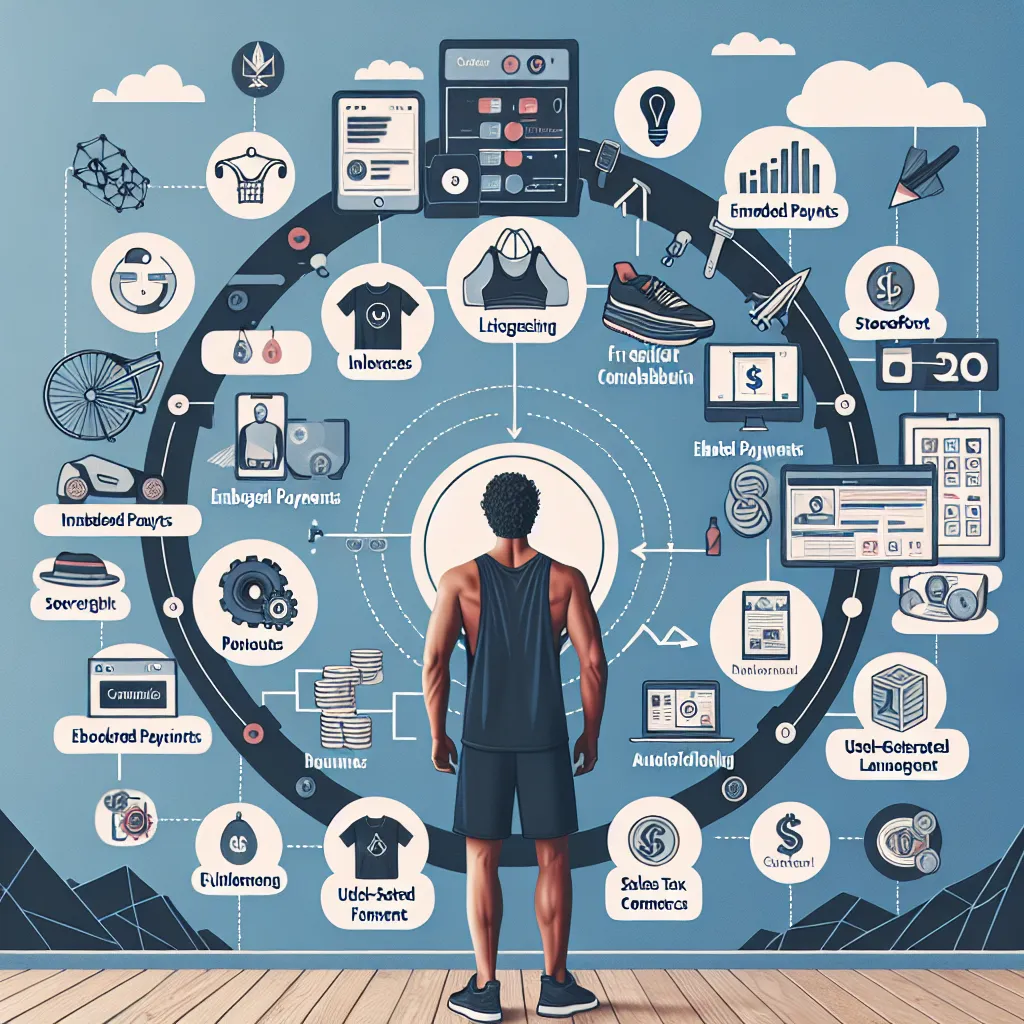
Description
No additional description provided.
The Pitch
In recent years, we’ve witnessed a surge in creator-led brands, with YouTubers venturing into skincare, podcasters launching coffee lines, and fitness influencers developing supplement collections. This trend reflects a significant shift in how brands are built and consumed today, driven by individual creators leveraging their loyal followings. However, behind the polished social media posts and successful product launches lies a tangled web of operational challenges. Many of these solo founders find themselves juggling disparate systems like Shopify, Stripe, spreadsheets, tax tools, affiliate links, and legal documentation—none of which seamlessly integrate with one another. This friction often hinders growth and may lead to burnout. The opportunity lies in developing a vertically integrated commerce operating system tailored specifically for creator-led brands.
The Problem Creator-led entrepreneurs often struggle with an inefficient and disjointed back-end system. The current landscape requires them to manually piece together various platforms and tools without cohesive integration. This fragmentation results in increased complexity, potential errors, and time-consuming management tasks. The creators are forced to switch between platforms to manage storefronts, process payments, handle taxes, manage affiliate programs, and fulfill orders, which detracts from their core focus—creating content and connecting with their audiences.
The Solution A comprehensive software solution can address these challenges by providing a vertically integrated commerce operating system built specifically for creator-led brands. This compound software would consolidate the key components necessary to run an online brand, enabling creators to focus on what they do best. The proposed solution would bundle storefront creation, embedded payments, influencer payouts, user-generated content licensing, sales tax handling, and automated fulfillment into a single, cohesive dashboard. Such a solution would eliminate the need for creators to use separate platforms and reduce the complexity and friction currently hindering their growth.
Product Details The vertically integrated commerce operating system would include the following features:
1. **Storefront Creation**: A user-friendly interface for building and customizing online stores without needing extensive technical skills. 2. **Embedded Payments**: Seamless integration with payment gateways like Stripe to handle transactions smoothly. 3. **Influencer Payouts**: An automated system for managing and distributing payments to other creators or affiliates. 4. **UGC Licensing**: Tools to manage and license user-generated content, ensuring rights are handled properly. 5. **Sales Tax Handling**: Automated tax calculations and filing across different jurisdictions to maintain compliance effortlessly. 6. **Automated Fulfillment**: Integration with fulfillment centers for streamlined order processing and shipment tracking.
To make this feasible, leveraging tools such as Stripe Apps and easy-to-integrate fintech APIs would be essential. These tools facilitate the embedding of financial operations into the platform and ensure flexibility and scalability.
Tools for MVP Launch To launch a Minimum Viable Product (MVP), a few tools can be employed:
- **No-Code Development Platforms**: Use platforms like Bubble or Webflow to quickly build and iterate the storefront and user interface. - **API Integrations**: Leverage APIs from financial service providers like Stripe, and use fulfillment APIs from service providers for quick integration. - **Automated Testing Tools**: Employ tools such as Testim or Postman to ensure the system is robust and scalable.
Go-To-Market Strategy The go-to-market strategy should focus on reaching early adopters among the creator community. This can be achieved through:
- **Community Engagement**: Join and engage with communities on platforms like Discord, Reddit, or Clubhouse where creators gather. - **Partnerships**: Collaborate with platforms that serve creators to cross-promote the commerce operating system. - **Content Marketing**: Develop educational content that provides value to creators, outlining how the system eases their operations. - **Influencer Partnerships**: Engage with successful creators to be early adopters and advocates for the platform, leveraging their networks for rapid adoption.
Business Model The business model for the creator commerce OS could involve a subscription-based pricing plan. Different tiers can cater to creators at various stages of their business journey, with basic features offered at a lower cost, and advanced analytics and customized solutions available at higher price tiers. Additionally, a transaction fee model could be incorporated for payment processing features, providing a predictable revenue stream as brands grow.
Conclusion The fragmented landscape of tools and platforms currently available to creator-led brands presents a significant opportunity for a vertically integrated commerce operating system. By consolidating these elements into one seamless platform, creators can focus more on their content and community, driving both their growth and the growth of the brands they build. This solution not only addresses the pain points faced by creators today but also sets a new standard for efficiency and innovation in creator-led entrepreneurship.