Screen-Distortion Cover to Reduce Phone Usage
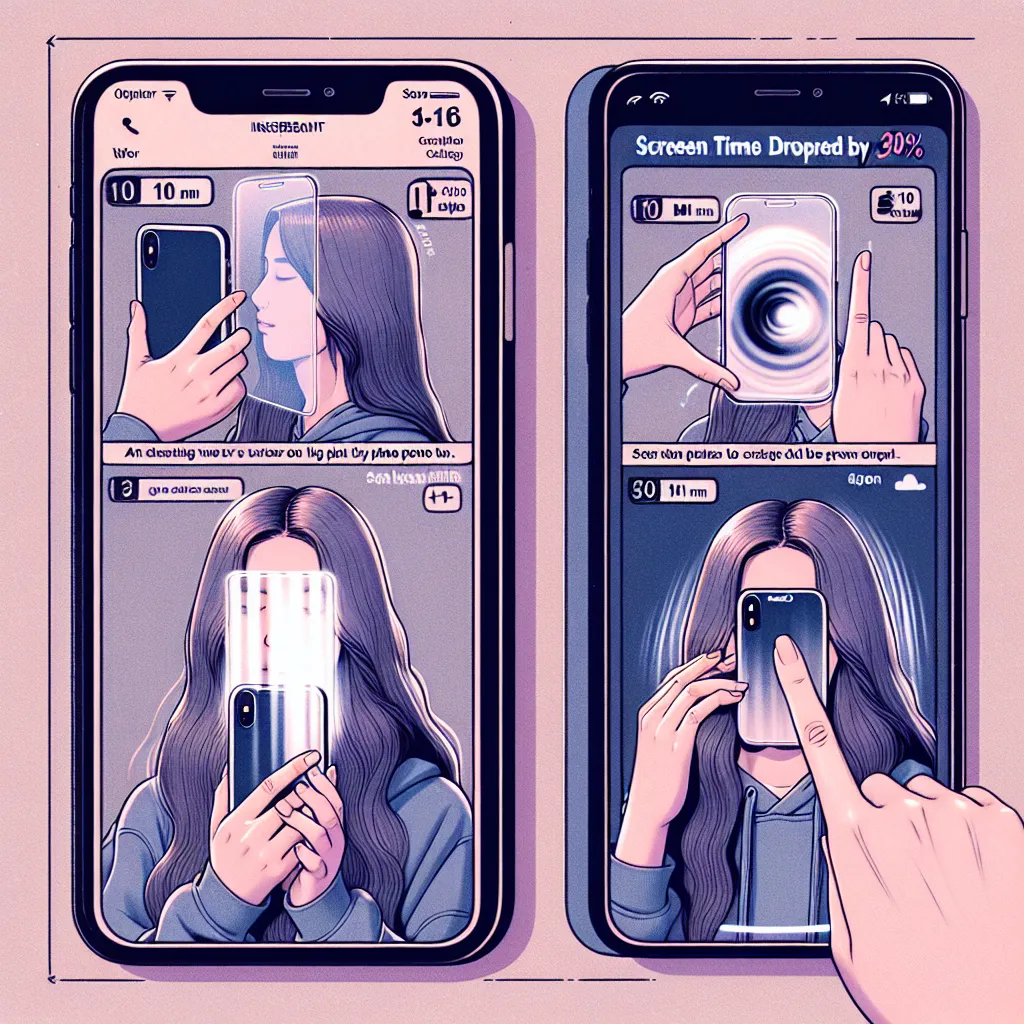
People want to spend less time on their phones, but grayscale filters and app timers aren’t enough to break the doomscroll cycle. The solution is a physical phone cover — a thin optical film — that gradually distorts the screen after 5–10 minutes of continuous use, nudging people to stop scrolling. It’s paired with a simple companion app that tracks usage and lets you adjust distortion settings. As screen addiction becomes a mainstream concern, physical interventions like the Light Phone and screen limiters are gaining traction. For example, a college student applies the film to her phone. Ten minutes into scrolling Instagram, the screen starts bending and blurring. She closes the app, annoyed but grateful — and her screen time drops by 30% that week.
Description
No additional description provided.
The Pitch
In today's digital age, the omnipresence of screens has led to a growing concern about the time people spend on their smartphones. Despite the efforts of grayscale filters and app timers, these solutions often fall short in curbing the habitual doomscrolling behavior. The challenge lies in creating a solution that not only acknowledges screen addiction as a mainstream issue but also effectively nudges users toward healthier digital habits.
The proposed solution is an innovative physical accessory: a specialized phone cover equipped with a thin optical film. This film is designed to dynamically distort the phone's screen after a sustained period of 5 to 10 minutes of continuous use. By inducing a mild yet noticeable visual distortion, it encourages users to take a break from their device. Accompanying this is a straightforward companion app that allows users to track their screen usage and customize distortion settings according to their preferences.
As awareness about screen addiction rises, there's an increasing market interest in physical interventions such as the Light Phone and various screen time limiters. This solution leverages this trend by offering a practical, non-intrusive method to reduce screen time. For instance, consider a college student who applies the film to her phone screen. As she scrolls through Instagram, she begins to notice distortion after ten minutes. Initially irritated, she decides to close the app, ultimately reducing her screen time by 30% that week.
To bring this concept to life as a Minimum Viable Product, certain tools and strategies can streamline its development and launch. Rapid prototyping can be facilitated using 3D printing for the phone cover and quick iterations on the optical film. Partnering with manufacturers that specialize in screen protector production could expedite the creation of the optical film. The companion app can be developed using cross-platform tools like Flutter or React Native to ensure broad compatibility and a seamless user experience.
The go-to-market strategy would focus on digital well-being campaigns that emphasize the increasing need for physical solutions to screen addiction. Initial marketing efforts can target environments heavily impacted by screen usage, such as college campuses and tech-savvy professional settings. Collaboration with influencers in the digital wellness space can also enhance visibility and adoption.
The business model could employ a direct-to-consumer approach through an online platform, offering the phone cover and film as a one-time purchase bundled with the companion app. Subscription options for enhanced app features, such as personalized analytics and advanced customization of distortion settings, could provide additional revenue streams.
In summary, this innovative solution addresses a critical modern-day issue, offering a tangible way for users to reclaim control over their screen time. With strategic development, targeted marketing, and a cohesive business model, it has the potential to make a significant impact on digital well-being.