School Food Digital Twin
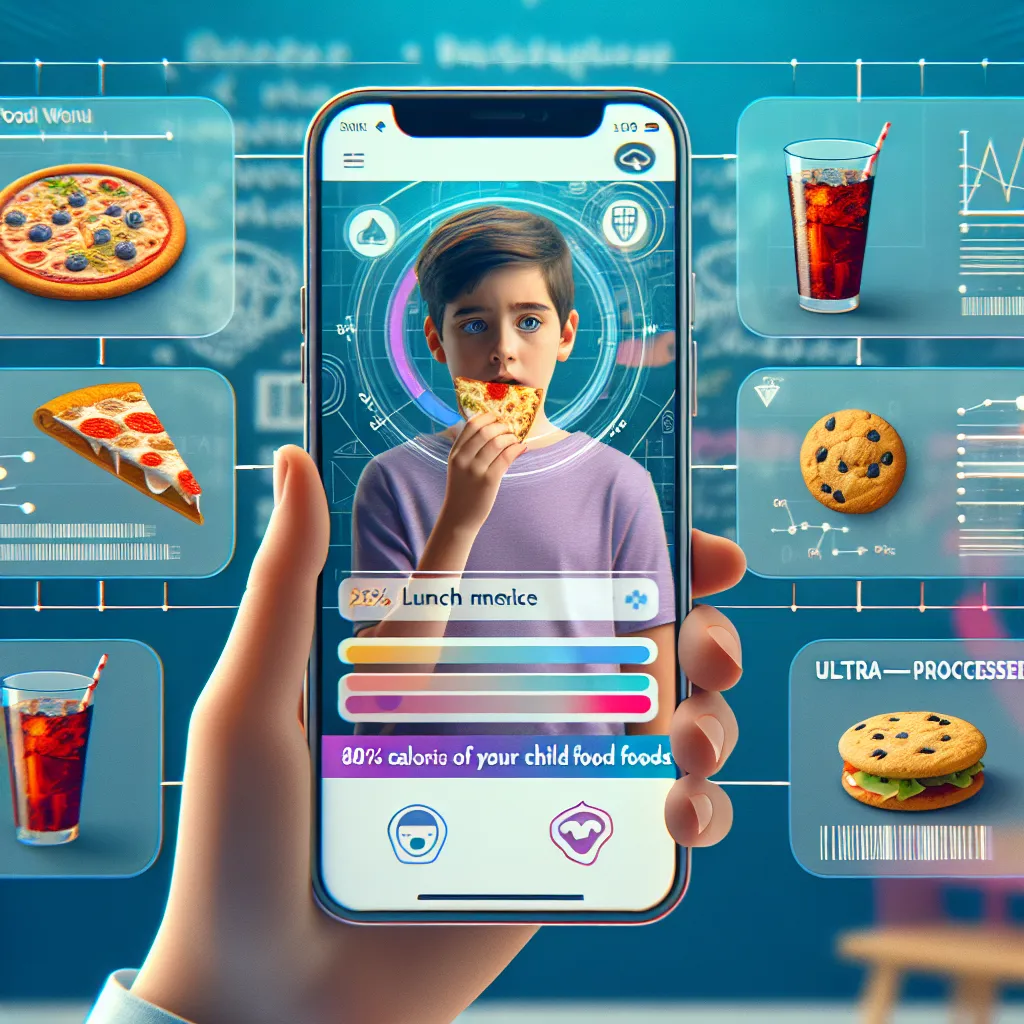
Parents have no visibility into what their kids actually eat at school, contributing to poor health outcomes. Menu listings aren’t enough; actual behavior matters. Solution: a real-time dashboard tracking individual kids’ cafeteria choices and nutritional intake via scanner tech or RFID tracking — a digital twin of their food life. The trend: digital health tracking is exploding (Apple Health, Oura) but hasn’t hit school systems. Why now? Schools are under pressure for transparency, and parents demand more control over children’s health environments. Example: A parent opens an app after lunch and sees: “Your child chose pizza, soda, cookie — 80% of calories from ultra-processed foods” — triggering nudges or interventions.
Description
No additional description provided.
The Pitch
Parents are becoming increasingly concerned about the health and nutrition of their children. Despite numerous advancements in digital health tracking systems, one crucial area remains largely untapped: monitoring what children actually consume at school. With schools under pressure for transparency and parents demanding more control over their children's health environments, there's a significant gap that needs addressing.
### The Backstory
Parents often rely on menu listings provided by schools to understand their children's dietary habits. However, these listings merely provide an overview and fail to capture the actual choices made by children. With the rise of diet-related health issues such as obesity and diabetes among youth, it's essential that parents have more visibility into their children's daily consumption. Unfortunately, without accurate data, interventions are difficult to implement effectively.
### The Problem
The primary issue is the lack of visibility and real-time data regarding what children eat at school. Menu listings aren't enough; they don't account for the child's personal choices or portion sizes. This gap contributes significantly to poor health outcomes, as parents remain unaware of whether their children are making healthy choices or eating a balanced diet. As a result, parents cannot take timely actions or provide the necessary guidance to improve their children's nutritional intake.
### The Solution
The solution lies in creating a technology-driven, real-time food tracking system tailored for schools. By integrating scanner technology or RFID tracking, it is possible to create a detailed dashboard that reflects each child's cafeteria choices and nutritional intake. This system acts as a digital twin of the child's food life, offering parents and schools an unprecedented level of insight into dietary behaviors.
### Product Details
- **Real-Time Dashboard:** The core feature would be an intuitive app that allows parents to view their child's food choices in real-time. The dashboard would provide nutritional breakdowns, calorie counts, and categorize foods (e.g., ultra-processed). - **Data Collection:** Using scanner technology or RFID, the system records each item a child selects at the cafeteria. RFID tags attached to meal items allow for automatic recording without disrupting the lunch routine. - **Parental Alerts:** Notifications sent to parents when certain nutritional thresholds are crossed (like excessive ultra-processed food intake), prompting timely interventions or discussions with their children. - **Schools' Interface:** Schools can access aggregated data to identify diet patterns within their student body, enabling targeted nutrition workshops or collaborations with dietitians.
### Tools for MVP Launch
1. **Technology Stack:** Leverage cloud-based services like AWS or Azure for backend infrastructure. Use platforms like Flutter or React Native for cross-platform app development. 2. **RFID Supplier:** Partner with RFID or scanner technology providers such as Zebra Technologies to source and integrate hardware. 3. **Pilot Programs:** Collaborate with a few schools initially to gather data, refine the technology, and tailor the product based on feedback. 4. **Nutritional Database:** Integrate with existing nutritional databases for accurate food content analysis.
### Go-to-Market Strategy
1. **Schools as Partners:** Work directly with school districts to offer the product as a part of their wellness programs. Highlighting the added value of transparency and improved student health outcomes. 2. **Parent Advocacy Groups:** Collaborate with parent-teacher associations to drive awareness and create demand for such a system within schools. 3. **Educational Workshops:** Conduct workshops at schools to educate parents about the importance of tracking dietary habits and the potential long-term health benefits. 4. **Social Media Campaigns:** Utilize social media platforms to create engaging content around children's nutrition and the role of technology in ensuring healthy eating habits.
### Business Model
- **Subscription Model:** Charge schools a subscription fee based on the number of enrolled students, providing them access to the system and data dashboards. - **Premium Features for Parents:** Offer a basic app for free, with potential premium features available on a subscription basis, such as personalized dietary advice or seamless integration with other health apps. - **Data Insights:** Provide anonymized, aggregated data to health researchers or governmental agencies for further studies, under strict privacy regulations.
By focusing on an often-overlooked aspect of children's health, this solution not only empowers parents with valuable insights but also supports schools in creating healthier food environments. With digital health tracking already proving successful in other domains, now is the time to extend its benefits to school nutrition.