Safe Raw-Looking Meat Dining Experience
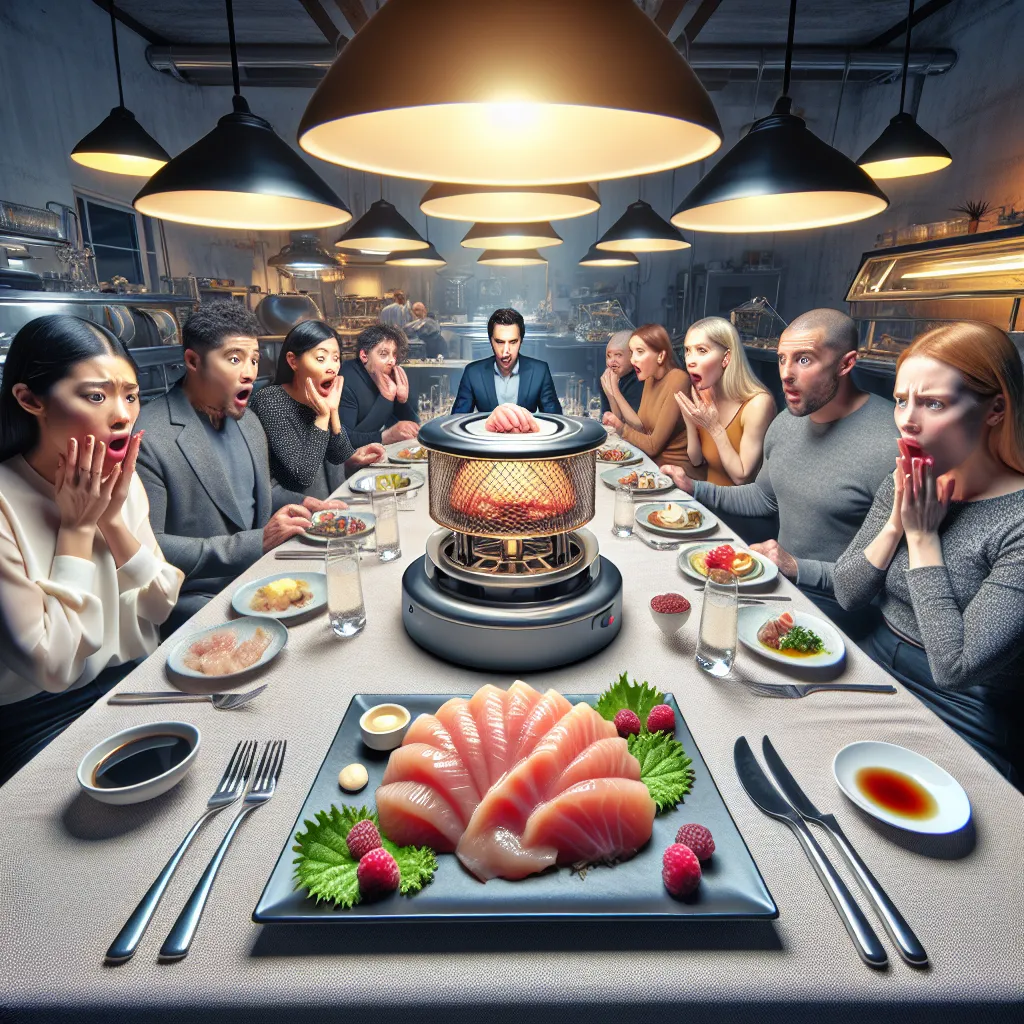
Food safety has conditioned people to avoid raw meat—but curiosity around extreme or “forbidden” food experiences is growing (tasting menus, omakase, etc.). Serve fully pasteurized meat that looks and feels raw but is safe to eat. A restaurant experience that simulates eating raw chicken, pork, etc. without the risk. Sous vide and pasteurization techniques make this technically feasible, while experiential dining is becoming more popular. A restaurant serves “chicken sashimi”—visually raw, psychologically shocking, but technically safe.
Description
No additional description provided.
The Pitch
The fascination with unique and unconventional dining experiences has been on the rise, as seen through the popularity of tasting menus and omakase dining. As food safety regulations have traditionally conditioned individuals to avoid raw meats such as chicken and pork due to potential health risks, there remains a segment of consumers intrigued by the idea of so-called forbidden or extreme food experiences. This curiosity, combined with advancements in food preparation techniques, sets the stage for a groundbreaking culinary venture.
Identifying the Problem
While adventurous diners may seek thrilling gastronomic experiences, concerns about food safety remain a major barrier. Raw poultry and pork are traditionally seen as potential hazards, posing risks of foodborne illnesses. This fear limits culinary explorations with such meats, restricting both innovation in the kitchen and the consumer's palate.
Proposed Solution
The solution lies in offering an experience that simulates the act of consuming raw chicken, pork, or other meats, without compromising on safety. By using sous vide and pasteurization techniques, it is possible to prepare meat that appears and feels raw while being fully safe for consumption. This approach allows diners to enjoy the psychological thrill and novelty of eating raw meat without the associated health risks.
Concept Details
The restaurant concept is centered around serving ostensibly raw dishes—like chicken sashimi—that entice both the eyes and the taste buds. Each dish would be meticulously prepared through precise temperature-controlled methods to ensure it is fully pasteurized and free from harmful pathogens. Presented as an elaborate and immersive dining experience, patrons would be able to indulge in a range of raw delicacies, each paired with suitable accompaniments that highlight the flavor profile of the meat.
Key Tools and Techniques for Launching the MVP
1. Culinary Techniques: Mastering sous vide and pasteurization methods are crucial. Training chefs in these techniques would be a priority. 2. Food Safety Compliance: Ensuring compliance with local food safety standards and obtaining certifications for pasteurization processes will be essential. 3. Menu Development: Crafting a diverse menu that excites and intrigues diners will be a vital element of the concept. 4. Restaurant Design: Creating an ambiance that enhances the experience, perhaps with a focus on theatre-style cooking or interactive elements. 5. Feedback Mechanism: Establishing channels to receive and act on customer feedback to refine the concept and address concerns.
Go-To-Market Strategy
1. Initial Launch: Begin with a pop-up experience to generate buzz and assess market interest while building a loyal customer base. 2. Influencer Collaborations: Partner with food critics, bloggers, and influencers to showcase the unique dining experience and generate word-of-mouth promotion. 3. Exclusive Events: Host exclusive tasting sessions for early adopters and food enthusiasts to create a sense of exclusivity and anticipation. 4. Social Media Campaigns: Use visually appealing content to highlight the concept's innovation and drive engagement and interest. 5. Educational Initiatives: Conduct workshops or demonstrations to educate the public on the safety processes involved.
Business Model
The business would primarily operate as a high-end dining establishment, capitalizing on the premium pricing model of unique and niche culinary experiences. Additional revenue streams could include:
1. Hosting private dining events or experiences. 2. Collaborations with culinary schools or food safety organizations. 3. Offering culinary classes focusing on pasteurization and sous vide techniques.
In conclusion, this concept converges the inquisitive nature of adventurous eaters with the assurance of safety, creating a restaurant experience that is both thrilling and secure. With careful planning and execution, it promises to not just satisfy curious palates but also set a new standard for culinary innovation.