Safe Evolution: AI Agent Change Management Platform
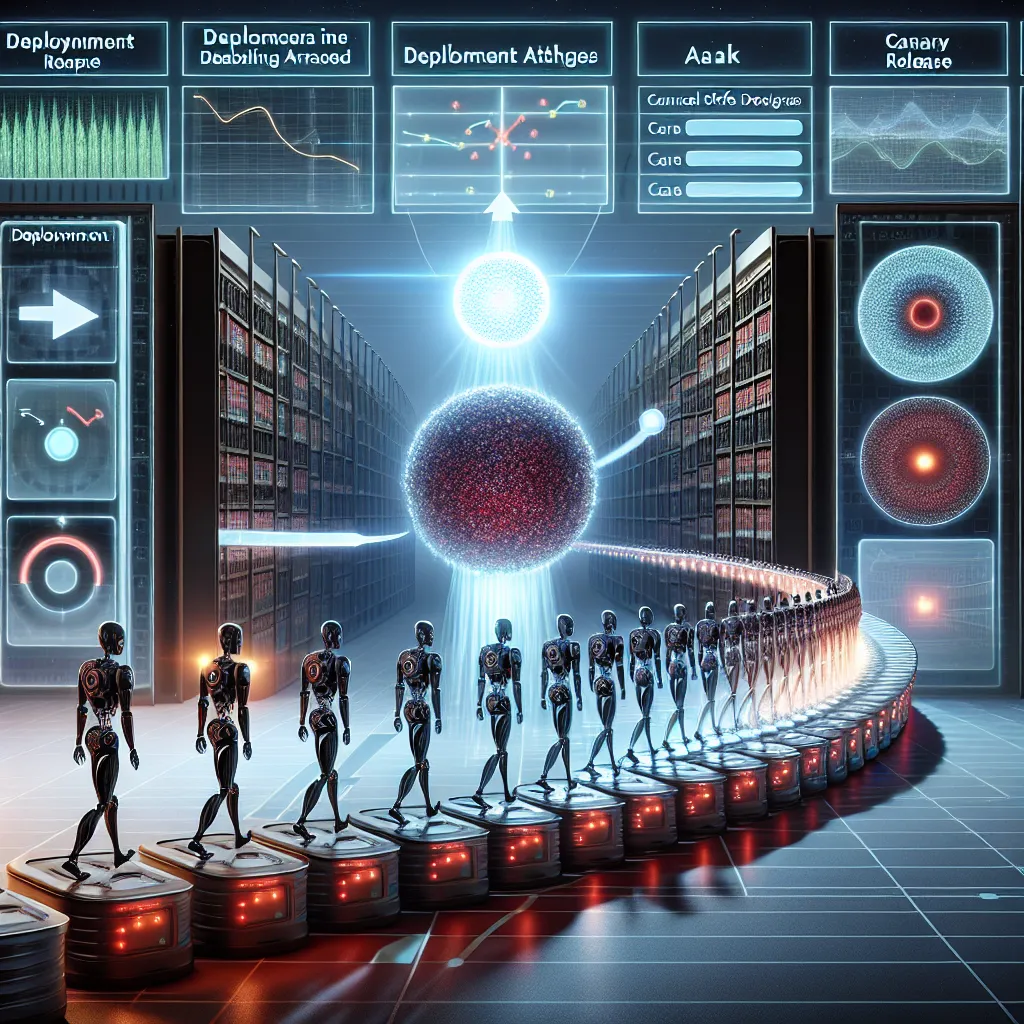
Enterprises already fear software updates. AI agents introduce something worse: silent behavioral change. An agent that worked yesterday may reason differently tomorrow. The Agent Change Management Platform exists to make agent evolution safe. Every agent version is tested against historical scenarios, diffed for behavioral changes, and deployed via canary releases. Enterprises can see not just what changed, but why decisions diverged. If risk increases, agents roll back instantly. This turns AI systems from black boxes into governed infrastructure. As agents become core operators of enterprise workflows, managing their evolution becomes as critical as managing production systems. This platform doesn’t slow innovation — it prevents catastrophic surprises.
Description
No additional description provided.
The Pitch
Enterprises face a growing challenge with the integration of AI agents into their workflows. Traditionally, the primary concern with software systems has been the fear of updates and the potential disruptions they might cause. With AI agents, however, this challenge intensifies due to their ability to adapt and evolve over time. Unlike traditional software where changes are explicit and scheduled, AI agents can undergo silent behavioral changes, meaning an agent that performed a task in a certain way yesterday may exhibit different reasoning or behavior tomorrow without prior notice.
The core problem here is the unpredictability and lack of transparency in how AI agents evolve. This unpredictability can lead to increased risk, as the outcomes of decisions made by these agents can diverge from expected results. Enterprises need a solution that not only monitors these changes but manages them reliably to ensure continued operational integrity.
The solution is the Agent Change Management Platform. This platform is designed to make the evolution of AI agents safe and transparent. By testing every version of an agent against historical scenarios, enterprises can gain insights into behavioral changes. The platform provides a diffing capability, highlighting how and why decisions vary from one version to another. Additionally, it incorporates a canary release mechanism to deploy new agent versions gradually, ensuring that any increase in risk can be identified swiftly and the agent rolled back immediately if necessary.
Product details include:
1. Historical Scenario Testing: This feature allows enterprises to simulate new agent versions against past data to observe potential behavior changes before they impact real operations. 2. Behavioral Diffing: Enterprises can see detailed reports of what has changed in an agent's reasoning and decision-making process. 3. Canary Releases: New agent versions are deployed to a small subset of operations to monitor their performance in a controlled environment. 4. Instant Rollbacks: If increased risk is detected, the agent version can be reverted instantly to a stable state. 5. Evolution Auditing: Detailed logs and dashboards provide enterprises with a comprehensive view of an agent's evolution over time.
To launch this as a minimum viable product (MVP), key tools and technologies might include:
- A/B testing frameworks for controlled experimentation. - Machine learning operations (MLOps) tools to manage model lifecycle. - Continuous integration/continuous deployment (CI/CD) pipelines customized for AI deployments. - Advanced logging and monitoring systems to track and analyze agent behaviors.
The go-to-market (GTM) strategy involves targeting enterprise clients in sectors heavily reliant on AI for decision-making, such as finance, healthcare, and logistics. Building strategic partnerships with AI technology providers can also facilitate the platform's integration into existing systems.
As for the business model, a subscription-based approach could be effective, with tiered pricing based on the number of agents managed or the volume of scenario testing capacity. Additional revenue streams could include premium consulting services to help customize and optimize the platform for individual enterprise needs.
Overall, the Agent Change Management Platform transforms AI systems from opaque entities into governed infrastructure, ensuring innovation continues without unexpected disruptions. As AI agents become increasingly integral to enterprise operations, managing their evolution will be as crucial as managing other production systems.