Rugged AI Wearable Enhances Worker Safety
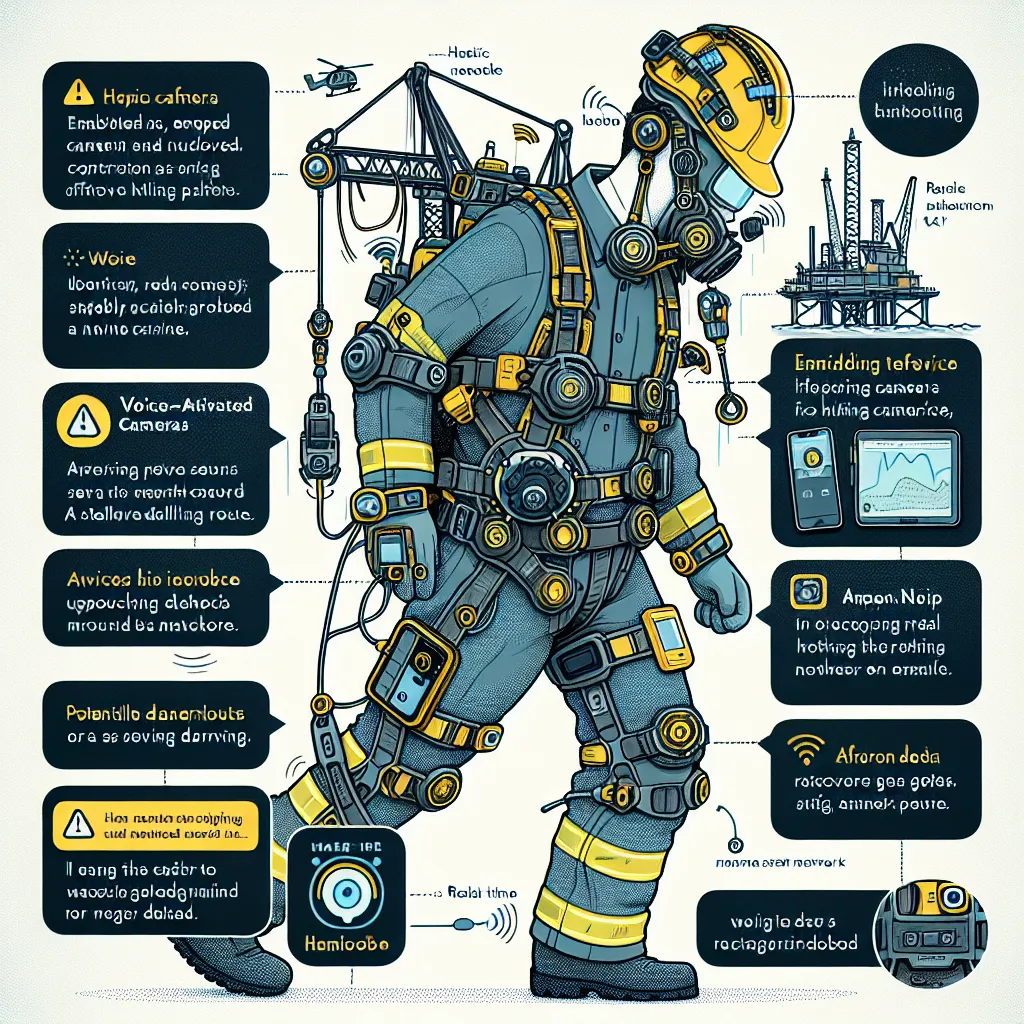
In high-risk physical environments like construction or offshore drilling, safety often relies on tired workers remembering protocols. This startup builds a rugged, voice-activated wearable that uses embedded cameras, haptic feedback, and on-device AI to monitor worker movement, identify unsafe behaviors (like improper lifting or near a moving crane), and gently alert the wearer in real time. The device also logs safety data and syncs with a manager dashboard over mesh networks or satellite uplink. Unlike fitness wearables, this is purpose-built for industrial-grade environments and powered by edge AI and haptic robotics. For instance, if a worker starts to fatigue while carrying heavy gear uphill in heat, it can suggest a break, hydrate reminder, or suggest a reroute — just like a digital foreman on your shoulder.
Description
No additional description provided.
The Pitch
In high-risk physical environments such as construction sites or offshore drilling platforms, maintaining safety is a critical concern. Workers often face exhausting conditions that stretch their mental and physical capacities, making it challenging to consistently remember and follow safety protocols. This situation opens up avenues for innovative solutions that enhance workplace safety and efficiency.
Imagine a startup that offers a cutting-edge solution: a rugged, voice-activated wearable device specifically designed for these demanding industrial settings. This wearable integrates advanced technology such as embedded cameras, haptic feedback mechanisms, and on-device artificial intelligence to improve safety and operational effectiveness. The device continuously monitors worker movements, instantly identifying potentially unsafe behaviors, such as improper lifting techniques or proximity to moving equipment like cranes. It then gently alerts the wearer through haptic feedback, providing real-time interventions before accidents occur.
This wearable doesn't stop at real-time alerts. It also aggregates safety data, which is then synchronized with a manager's dashboard via mesh networks or satellite uplinks. The dashboard provides actionable insights, enabling managers to track safety trends and make informed decisions for ongoing improvements. Unlike mainstream fitness wearables, this device is engineered specifically for industrial-grade environments, utilizing edge AI and sophisticated haptic robotics to withstand harsh conditions.
One of the standout features of this device is its ability to act like a digital foreman. For instance, if a worker begins to show signs of fatigue while carrying heavy equipment uphill in hot weather, the wearable can suggest taking a short break, issue a hydration reminder, or recommend an alternative route. This proactive approach helps mitigate risks and supports worker well-being.
To transform this concept into a minimum viable product, several tools and frameworks can be employed. The hardware aspect could leverage robust platforms like Arduino or Raspberry Pi for prototyping, while software development might use TensorFlow for on-device AI models. For connectivity, meshing and satellite communication technologies such as LoRaWAN and Iridium can be explored.
Launching this product successfully into the market involves a strategic go-to-market approach. Begin by identifying and forging partnerships with key stakeholders in construction and industrial sectors. Building relationships with safety equipment distributors and industry leaders can facilitate pilot programs and field testing. Attending industrial tech expos and safety conferences can also help raise awareness and generate interest.
The business model could focus on a B2B approach, where contracts are established with companies operating in high-risk environments. Revenue streams may include device sales, subscription fees for data analytics and dashboard access, and additional services like custom AI model adaptations according to specific industry needs.
Through innovative technology and strategic positioning, this venture has the potential to redefine workplace safety standards in high-risk physical environments, offering peace of mind and practical safety solutions to both workers and managers alike.