RoomBot: Affordable Robots Simplify Household Chores
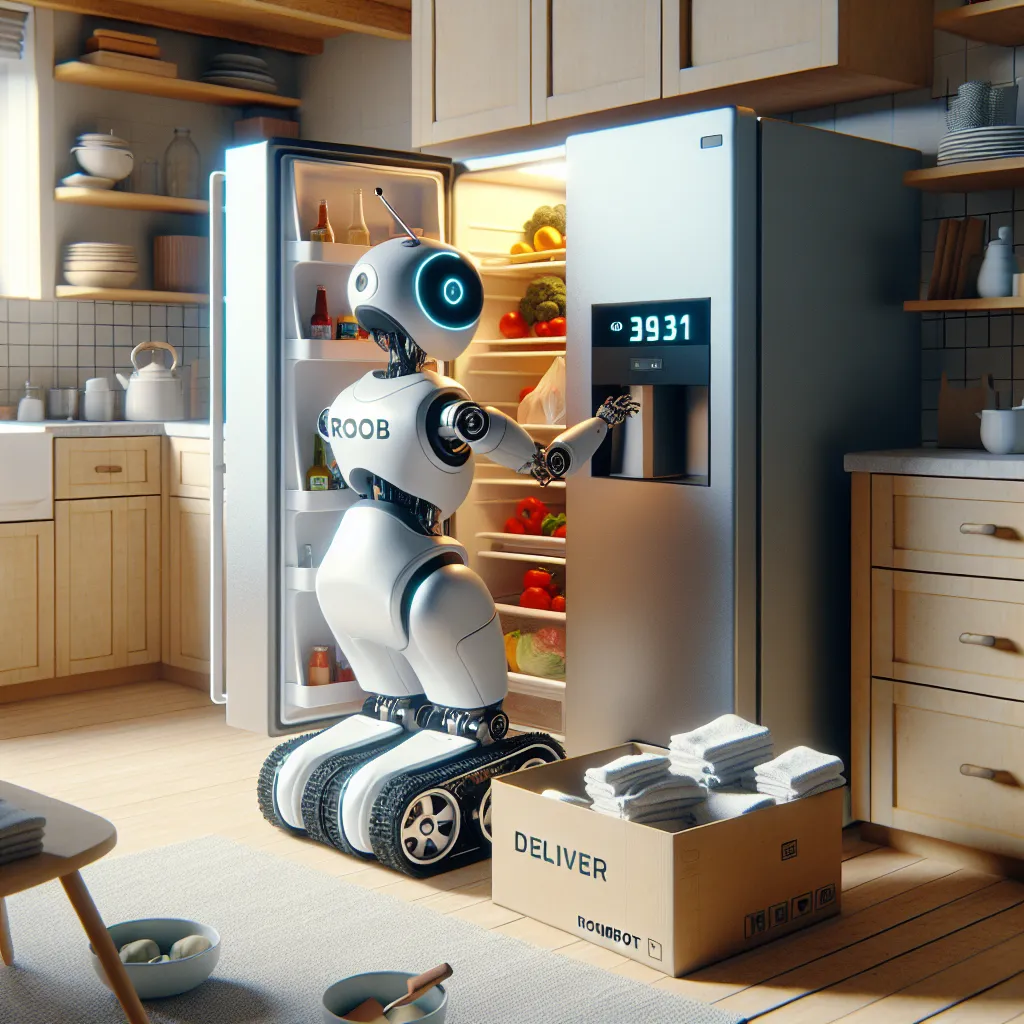
Everyone’s chasing the humanoid robot dream — but the real opportunity is in dumb-smart robots that do one thing perfectly. RoomBot is a modular, affordable robotics ecosystem for specific household tasks — like towel folding, fridge restocking, or pantry sorting — built around a shared chassis and interchangeable limbs. Instead of building a walking, talking android that tries to do everything, RoomBot picks the low-hanging fruit: repetitive, clearly scoped tasks that people hate doing. It connects to your smart home and even coordinates with delivery boxes (e.g., restocking groceries after they arrive). As humanoid robots continue to be expensive, weird, and underutilized, RoomBot’s utilitarian approach thrives. A suburban family installs one in the kitchen, and by 2030, never restocks the fridge manually again. It’s not C-3PO. It’s the Swiffer of robotics — and that’s exactly why it works.
Description
No additional description provided.
The Pitch
In the age of rapid technological advancement, the concept of a humanoid robot capable of performing all household tasks has long captured public imagination. However, despite significant investments and years of R&D, such robots remain prohibitively expensive, complex, and often fall short of consumer expectations. The aspiration to replicate human-like abilities in robots has overshadowed a fundamental fact: many household chores are mundane, repetitive, and ideally suited for specialization. This realization has given birth to a new paradigm in robotics—a focus on dumb-smart robots that excel at one task, offering simplicity and efficiency.
Problem:
The average household is burdened with numerous daily chores that, while simple, are time-consuming and repetitive. Tasks like folding laundry, restocking the fridge, and sorting pantry items take valuable time away from families and individuals that they could otherwise spend with loved ones or on personal pursuits. The traditional approach of developing multipurpose humanoid robots to manage these tasks has proven inefficient due to high costs, limited practical utility, and technological constraints.
Solution:
Introducing RoomBot, a modular robotics system designed to excel at specific household tasks. Instead of attempting to replicate human capabilities, RoomBot focuses on simplifying life by automating clearly defined chores. With its shared chassis and interchangeable limbs, users can customize RoomBot to suit their needs, ensuring each task is performed with precision and efficiency. By integrating seamlessly with smart home systems, RoomBot offers unparalleled convenience, including automatically restocking the fridge when groceries are delivered.
Product Details:
- Modular Design: RoomBot features a versatile chassis and a selection of interchangeable limbs, each tailored for specialized tasks like towel folding, fridge restocking, or pantry sorting. - Smart Home Integration: Designed to connect with existing smart home devices, RoomBot coordinates tasks efficiently and can trigger activities such as restocking groceries once they are delivered. - Affordable Ecosystem: By focusing on specific tasks, RoomBot reduces complexity, making it a cost-effective solution for households. - Easy-to-Use Interface: A user-friendly app allows homeowners to schedule tasks, monitor progress, and manage settings effortlessly.
Tools for MVP Launch:
1. Open-Source Robotics Platforms: Utilize platforms like ROS (Robot Operating System) for foundational development and simulation. 2. 3D Printing: Leverage 3D printing for rapid prototyping of modular components. 3. IoT Connectivity Tools: Employ frameworks like MQTT for seamless integration with smart home networks. 4. Machine Learning Libraries: Integrate libraries such as TensorFlow for task-specific enhancements and responsiveness.
Go-To-Market (GTM) Strategy:
1. Target Audience: Focus initial marketing on tech-savvy suburban families who value time-saving smart home solutions. 2. Partnerships: Collaborate with smart home device manufacturers and retail delivery services to expand RoomBot’s capabilities. 3. Pilot Programs: Launch pilot programs in select neighborhoods to gather user feedback and testimonials. 4. Digital Marketing: Utilize social media, content marketing, and influencer endorsements to build awareness and demonstrate RoomBot’s practical benefits.
Business Model:
1. Direct Sales: Offer RoomBot directly to consumers through an e-commerce platform. 2. Subscription Service: Introduce a subscription model for ongoing maintenance, updates, and access to new modular attachments as they become available. 3. B2B Options: Explore partnerships with real estate developers and smart home integrators to bundle RoomBot with newly-built smart homes. 4. Licensing: License technology to other manufacturers interested in developing compatible modules or expanding the RoomBot ecosystem.
Conclusion:
RoomBot redefines the role of household robots by embracing simplicity and specialization. Its utilitarian approach addresses an underserved market looking for practical solutions, not gimmicks. By doing one thing perfectly, RoomBot promises to transform domestic tasks and improve daily life, proving that the future of robotics lies not in trying to mimic humans, but in enhancing human living.