Robotic Floor-Plan Painter Transforms Construction Efficiency
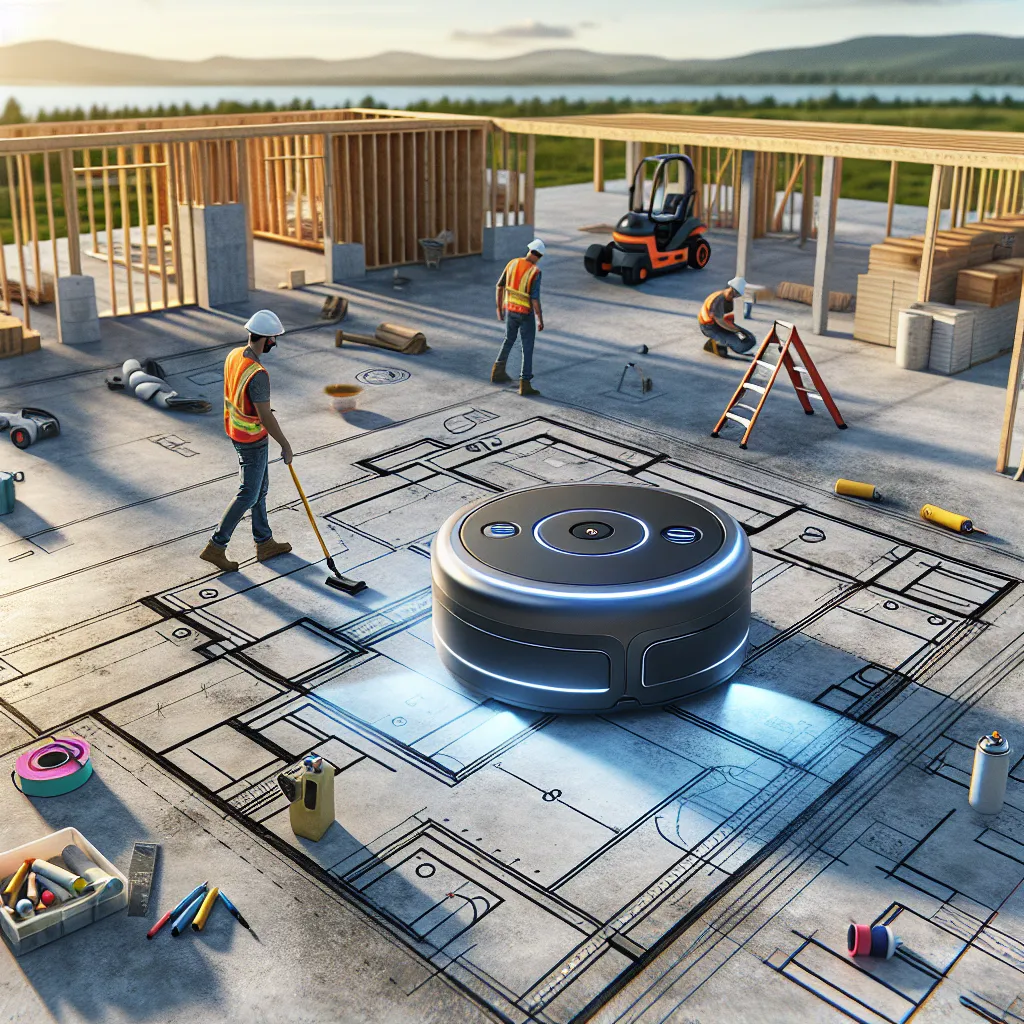
Laying out floor plans on a construction site is still a manual, error-prone job. Crews spend hours snapping chalk lines and tape-measuring every wall, and mistakes can cost thousands in rework. A robotic “floor-plan painter” solves this by autonomously tracing wall, plumbing, and electrical layouts directly onto the foundation in durable chalk or spray paint, synced to CAD/BIM files. This removes human error and speeds projects. Why now? Construction is facing labor shortages, and the cost of mistakes is rising while site robotics are becoming cheaper and easier to deploy. Imagine a small Roomba-like robot rolling onto a slab and, within 30 minutes, painting the entire blueprint for a suburban home.
Description
No additional description provided.
The Pitch
In the construction industry, laying out floor plans on-site remains a predominantly manual process, laden with the potential for errors. Construction crews routinely spend extensive hours snapping chalk lines and using tape measures to delineate the layout of every wall. The manual nature of this process not only consumes valuable time but also opens up the possibility for costly mistakes, which can necessitate expensive rework that sets back timelines and budgets.
The Introduction of Robotics in Construction: A Potential Solution
One innovative solution to this pervasive issue is the development of an autonomous robotic floor-plan painter. This robotic system is engineered to trace wall, plumbing, and electrical layouts directly onto the foundation of a construction site using durable chalk or spray paint. By synchronizing with CAD or BIM files, this robot can replicate a building’s blueprint with precision, thereby minimizing human error and expediting the layout process for construction projects.
Market Context and Timing
The introduction of such a robot comes at a crucial time. The construction industry is grappling with labor shortages, which are exacerbating the costs associated with mistakes on-site. Simultaneously, advancements in robotics have made site-specific solutions more affordable and straightforward to implement. This combination of factors creates an opportune moment for deploying a robotic floor-plan painter, potentially revolutionizing the way layouts are done on construction sites.
Product Details and Features
Imagine a small, Roomba-like robot that can autonomously navigate a construction slab. Once activated, this device can, within approximately 30 minutes, paint the entire blueprint of a suburban home onto the foundation. Key features might include:
- Autonomous Navigation: Utilizing sensors and algorithms, the robot can move efficiently across the site, following the pre-loaded blueprints to ensure accuracy. - Precision Painting: High-quality, eco-friendly chalk or spray paint ensures clear, lasting lines that guide the construction crew without causing environmental harm. - Integration with CAD/BIM: Direct synchronization with digital design files allows for real-time updates and adjustments, ensuring the layout is always aligned with the latest architectural plans.
Launching an MVP and Tools
To bring such a product to market as a Minimum Viable Product (MVP), developers can leverage existing technologies and tools:
- Robotics Platforms: Use of open-source robotics software and hardware kits to prototype navigation and painting capabilities. - CAD/BIM Integration Tools: Employ APIs and software like Autodesk Forge to facilitate integration between design software and the robotic platform. - Rapid Prototyping: Techniques such as 3D printing can be used to create components and iterate on designs quickly.
Go-to-Market Strategy (GTM)
An effective GTM strategy for this product would focus on:
1. Targeting early adopters in the construction industry, particularly companies specializing in large-scale projects where precision is paramount. 2. Demonstrations at industry trade shows and conferences to showcase the robot’s capabilities and gather feedback. 3. Forming strategic partnerships with construction firms and technology companies to promote adoption and integrate into existing workflows. 4. Offering pilot programs to select companies to prove ROI and refine the product based on real-world use cases.
Business Model Consideration
A viable business model might involve a subscription-based service where construction companies can lease the robotic painter on a per-project or monthly basis. This model aligns with companies’ interests in minimizing upfront costs while benefiting from cutting-edge technology. Additional revenue streams could include maintenance contracts and software updates, ensuring the robots stay up-to-date with the latest design standards and technological advancements.
In conclusion, the development of a robotic floor-plan painter presents a forward-thinking solution to a long-standing challenge in the construction industry. By addressing the problem of labor-intensive, error-prone manual layout processes, this product not only enhances efficiency but also represents a significant step forward in the integration of robotics and construction.