Robotic Explorers Revolutionize Brain Mapping
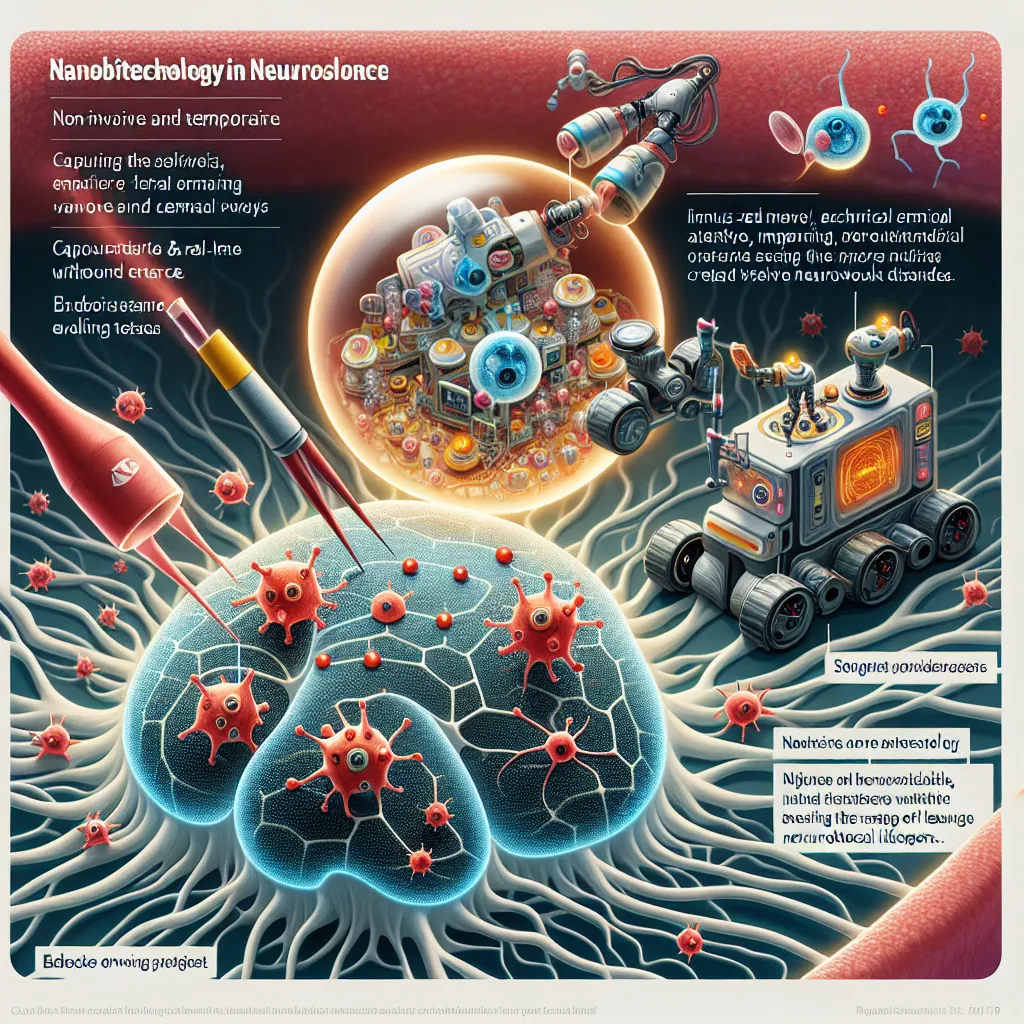
Understanding the brain still requires invasive tools or coarse external imaging. This startup would introduce cell-sized robotic explorers capable of sensing electrical and chemical activity at the neural level, mapping how signals propagate through living brain tissue without permanent implants. The novelty lies in temporary, intelligent exploration—robots that move, observe, and exit, rather than hardware left behind. As neuroscience shifts toward understanding networks rather than regions, this approach unlocks dynamic brain maps that evolve in real time. The result isn’t just better research, but a path toward earlier diagnosis and personalized treatment of neurological disorders.
Description
No additional description provided.
The Pitch
In recent years, the understanding of the human brain has become a pivotal area of research. Traditional methods of studying the brain involve either invasive procedures or external imaging techniques, both of which have significant limitations. This initiative aims to revolutionize neuroscience by introducing innovative, cell-sized robotic explorers that provide deeper insights into brain activity without the need for permanent implants.
Backstory
The complexity of the human brain has long intrigued scientists, yet current technologies fall short in providing a comprehensive, real-time picture of neural activities. Existing tools either compromise patient safety by requiring invasive surgeries or offer limited data resolution through non-invasive imaging. As the field increasingly focuses on understanding neural networks rather than isolated brain regions, the need for more dynamic and less intrusive exploration tools has never been more pressing.
Problem
Traditional brain research methodologies suffer from several drawbacks:
1. Invasiveness: Surgical procedures pose risks and discomfort to patients. 2. Static Imaging: Existing imaging technologies capture only a snapshot in time, failing to reflect the brain's dynamic nature. 3. Limitations in Resolution: Non-invasive tools lack the ability to provide detailed insights into the brain's intricate workings. 4. Long-term Implants: Current telemetry solutions require permanent hardware, which can lead to complications and ethical concerns.
Solution
Our proposal addresses these challenges by introducing cell-sized robotic explorers capable of operating at the neural level. These temporary, intelligent entities are designed to sense electrical and chemical activities, map signal propagation, and provide real-time, dynamic insights into the brain's functionality.
Product Details
1. Robotic Explorers: These are minute, biodegradable robots that can navigate through brain tissue. They capture high-resolution data on neural activities and interactions. 2. Temporary Presence: The robots are designed to operate temporarily, minimizing risks associated with long-term implantation. 3. Real-time Mapping: They offer dynamic maps of brain activity, allowing researchers to observe changes and developments over time. 4. Non-invasive Deployment: The robots can be introduced through minimally invasive techniques, ensuring patient safety and comfort.
Tools for MVP Launch
1. Prototyping Tools: Utilize microfabrication and MEMS (Micro-Electro-Mechanical Systems) technology for initial prototypes. 2. Simulation Software: Leverage neural simulation software to model and predict the behavior of the robotic explorers. 3. Data Analysis Platforms: Develop algorithms for processing and interpreting data collected by the robots. 4. Regulatory Guidance: Work with regulatory authorities and ethical boards to ensure compliance with medical device standards.
Go-To-Market Strategy
1. Collaborate with Leading Research Institutions: Establish partnerships with neuroscience research centers to validate and refine the technology. 2. Pilot Programs: Conduct controlled trial studies in collaboration with hospitals and academic institutions. 3. Engage Stakeholders: Work closely with neurologists, neuroscientists, and patient advocacy groups to foster adoption and trust. 4. Public Awareness Campaigns: Launch educational initiatives to inform the broader public and medical community about the benefits and safety of the technology.
Business Model
1. B2B Collaboration: Partner with research institutions and healthcare providers on a subscription basis, offering ongoing access to technology and data analytics. 2. Licensing Agreements: License innovation to major medical device and pharmaceutical companies. 3. Research Grants: Secure funding from governmental and private research grants to support further development. 4. Customized Solutions: Offer tailored solutions for specific neurological research or treatment applications.
Conclusion
The advent of cell-sized robotic explorers stands to transform our understanding of the brain, offering unprecedented insights that pave the way for early diagnosis and personalized treatment of neurological disorders. By addressing the limitations of current methodologies, this technology has the potential to accelerate research and improve patient outcomes, marking a new era in neuroscience.